
How to Budget for Septic Repairs in Lakeland
Septic systems don't ask permission before they break. They just do. And when they fail, the bill shows up fast — often faster than most homeowners are ready for. In Lakeland, where septic tanks are common and municipal sewer hookups aren't always an option, knowing how to budget for repairs isn't optional. It's survival. You can't predict every failure, but you can prepare for the financial hit. That means understanding what breaks, what it costs, and how to keep cash ready without draining your account every time something goes wrong.

Most people treat septic like it's invisible until it's not. Then it's a crisis. But if you're smart about setting money aside and staying ahead of septic tank service maintenance, you won't be scrambling when the system backs up or the drain field floods. This isn't about paranoia. It's about being ready.
What Actually Breaks Down There
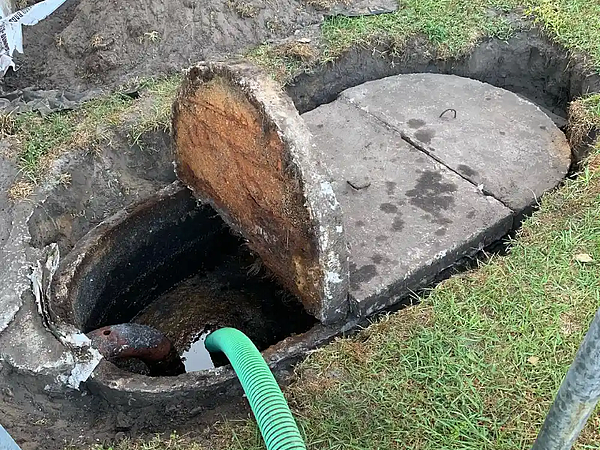
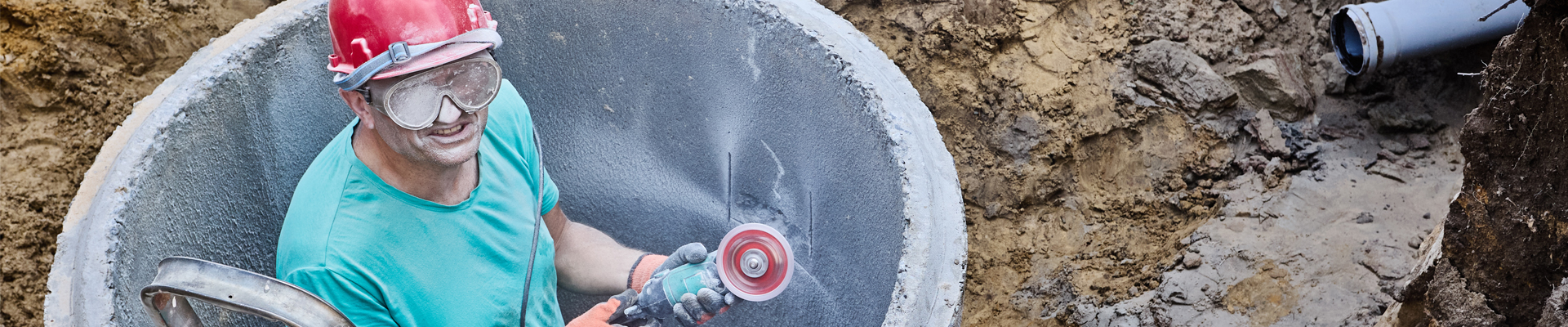
Septic repairs aren't all created equal. Some are quick fixes. Others require excavation, permits, and a week of your yard torn apart. The more you know about what can go wrong, the better you can estimate what you'll need to cover. Septic tank pumping and cleaning are routine — those happen every few years and shouldn't surprise anyone. But baffles crack, pipes collapse, and drain fields saturate. Tanks develop leaks. Pumps burn out. Alarms fail. Each one carries a different price tag, and each one can escalate if ignored.
Here's what tends to need attention:
- Pumping and cleaning the tank
- Baffle repair or replacement
- Drain field restoration or replacement
- Pipe repairs or reconnections
- Tank crack sealing or liner work
- Pump or alarm replacement in aerobic systems
Local Pricing Isn't National Pricing
What it costs to fix a septic system in Lakeland won't match what someone in another state pays. Labor rates vary. Soil conditions matter. Permitting requirements differ. A baffle swap or pipe patch might run you a few hundred bucks. A full residential drainfield repair installation? That's several thousand, sometimes more depending on size and access. Don't guess. Call around. Get real numbers from local contractors who know the area and the regulations. That's your baseline. That's what you build your budget around.
Once you have a range, you'll know whether you're looking at minor maintenance money or major capital expense. And you'll stop treating every septic issue like it's the same financial threat.
Cash on Hand Beats Panic Every Time
You need a fund. Not a vague intention to save. An actual account with actual dollars set aside for home repairs. Financial advisors suggest putting away one to three percent of your home's value annually for maintenance. Septic should get a slice of that — maybe five hundred to a thousand dollars a year, more if your system is older or you've had problems before. This isn't money you touch unless something breaks. It's insurance you pay yourself.
When the repair call comes, you're not scrambling for a credit card or skipping the fix because you can't afford it. You're writing the check and moving on.
Maintenance Costs Less Than Emergencies
Routine care isn't glamorous, but it's cheap compared to disaster recovery. Pumping every three to five years keeps solids from clogging your drain field. Inspections catch small issues before they become expensive ones. In Lakeland, a standard pump and inspection runs a few hundred dollars. A new drain field? Thousands. The math isn't complicated. Budget for the maintenance. Skip it, and you'll pay later — with interest.
Here's what regular upkeep should include:
- Scheduled pumping based on household size and tank capacity
- Annual or biannual inspections
- Checking baffles and inlet/outlet pipes
- Testing alarms and pumps in advanced systems
- Monitoring drain field performance
Warranties and Service Plans Have Their Place
Some companies offer home warranties that cover septic repairs. Others sell service plans with annual fees and repair coverage. These can work if you read the fine print. Not all plans cover every type of failure. Some cap payouts. Some exclude drain fields or only cover mechanical components. But if you're risk-averse and want predictable costs, a plan might make sense. Just don't assume it's a free pass. Know what's covered, what's not, and what you'll still pay out of pocket.
Multiple Quotes Aren't Negotiable
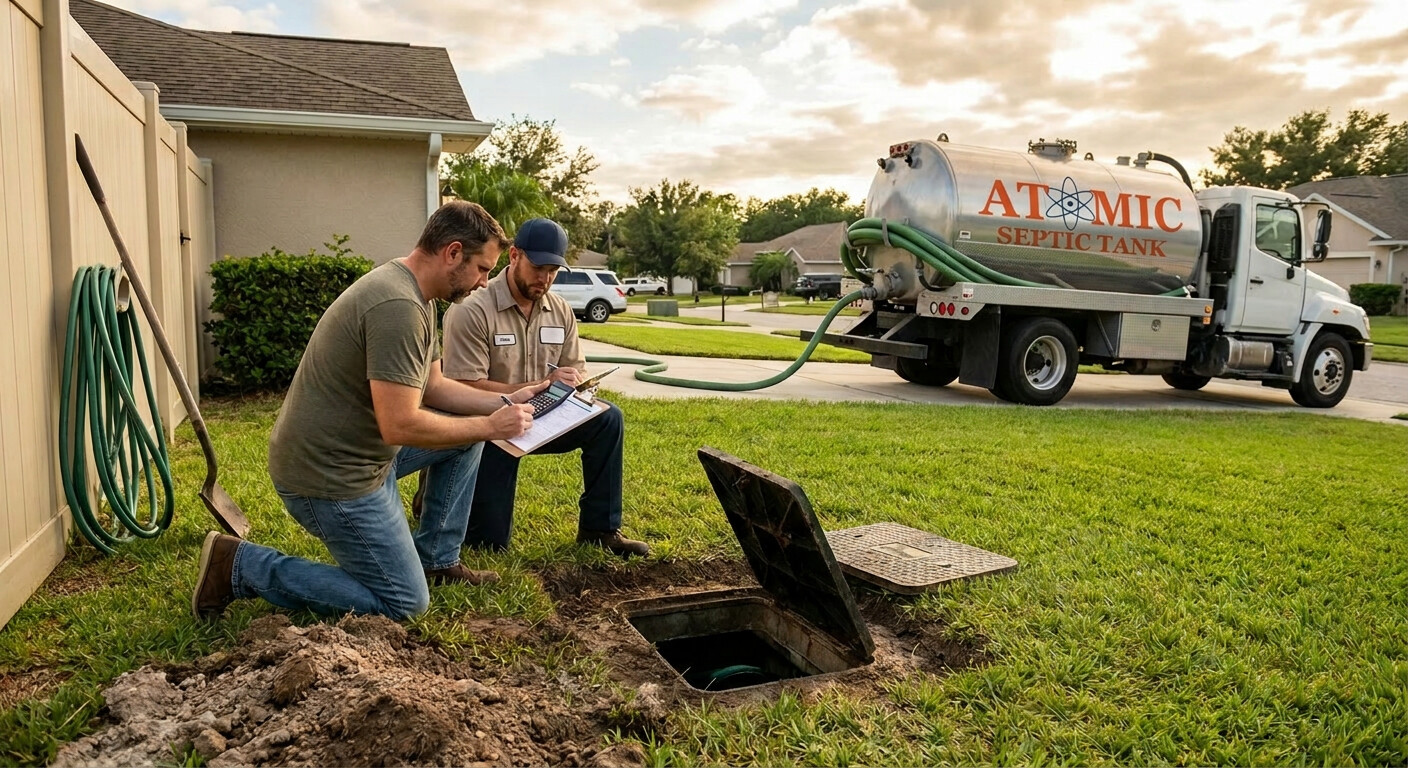
When something breaks, don't hire the first contractor who answers the phone. Get three quotes. Compare line items. Ask questions. A detailed estimate shows labor, materials, permits, and disposal fees. A vague one just shows a total and hopes you don't ask. Licensed contractors in Lakeland should be able to explain what they're doing and why it costs what it does. If they can't, keep looking.
Price matters, but so does reputation. Check reviews. Ask for references. A cheap quote from someone who cuts corners will cost you more when the repair fails six months later.
Build in a Buffer for the Unexpected
Even with a solid budget, surprises happen. Tree roots invade pipes. Heavy rain floods the drain field. A contractor finds additional damage once they start digging. Add ten to twenty percent to your estimated repair costs as a cushion. That way, when the scope expands, you're not stuck choosing between finishing the job or walking away with a half-fixed system.
Financing Exists When Savings Don't
If a major repair hits and your emergency fund isn't enough, you have options. Some septic contractors offer payment plans. Others work with lenders who specialize in home repairs. You can also explore personal loans or tap a home equity line of credit if you have one. Financing isn't ideal, but it's better than ignoring a failing system or draining your savings completely. Just make sure you understand the terms and the interest before you sign.
Here's what to consider when financing a repair:
- Interest rates and repayment terms
- Whether the contractor offers in-house financing
- Home equity options if you have available credit
- Personal loan rates from your bank or credit union
- Impact on your monthly budget
Documentation Protects You Later
Keep records of every septic service, repair, and inspection. Receipts, invoices, permits, and contractor notes all matter. If you sell your home, buyers will want proof the system was maintained. If a repair fails, you'll need documentation to hold the contractor accountable. And if the IRS ever questions a home improvement deduction, you'll have the paper trail to back it up. Store everything digitally and in a physical file. Make it easy to find when you need it.
Know When to Call a Pro Early
Some homeowners wait too long to get help. They notice slow drains or soggy spots in the yard and hope it resolves itself. It won't. Septic problems don't improve with time. They escalate. Catching an issue early — when it's still a minor repair — saves money and prevents damage to your property. If something seems off, make the call. A diagnostic visit costs less than a full system replacement.
Here's when you should reach out immediately:
- Sewage backing up into the house
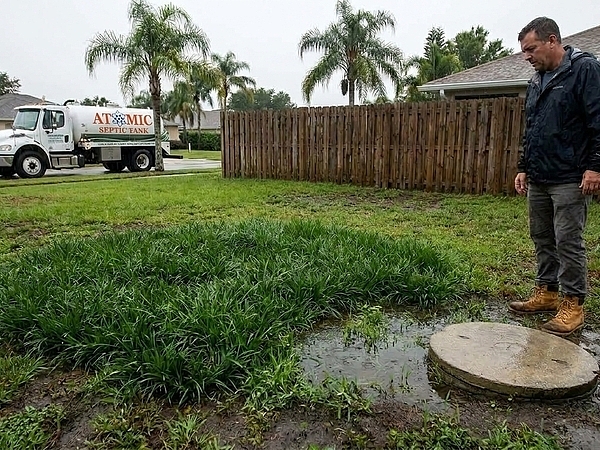
- Standing water or wet spots over the drain field
- Strong odors near the tank or yard
- Slow drains throughout the house
- Alarm sounding on an aerobic system
Your System Isn't a Gamble
Budgeting for septic repairs in Lakeland isn't about fear. It's about control. You can't stop a baffle from cracking or a drain field from saturating, but you can make sure you're not financially wrecked when it happens. Set aside money. Schedule maintenance. Get quotes. Keep records. And when something breaks, handle it fast. That's how you protect your home, your wallet, and your peace of mind. Whether you need septic filter cleaning or more extensive residential and commercial septic tank services, being prepared makes all the difference. Septic systems are expensive to ignore and manageable to maintain. The choice is yours.
Let’s Take the Stress Out of Septic Repairs
We know how overwhelming septic issues can feel, but you don’t have to face them alone. Let’s work together to keep your Lakeland home protected and your budget on track. If you’re ready for honest advice, reliable service, and a team that puts your needs first, give us a call at 863-393-3127. Or, if you want a straightforward estimate, you can get a quote today and we’ll help you plan your next steps with confidence.
‹ Back
Recent Posts
-
When Should You Schedule Septic Tank Pumping in Lakeland?
September 25, 2026
-

Can Heavy Rain Overflow Your Septic Tank in Lakeland?
September 11, 2026
-

Is Your Septic System in Lakeland Ready for Property Expansion?
August 28, 2026
-
Does Your Business in Lakeland Need a Lift Station Inspection?
August 14, 2026
-