

Strange Septic Smells Around Your Lakeland Property?
Most homeowners think septic systems are out of sight, out of mind. Until the smell hits. That rotten egg stench creeping across your yard or seeping into your bathroom isn't just unpleasant—it's a warning sign. Your system is trying to tell you something, and if you ignore it, you're asking for a mess that goes way beyond odor.
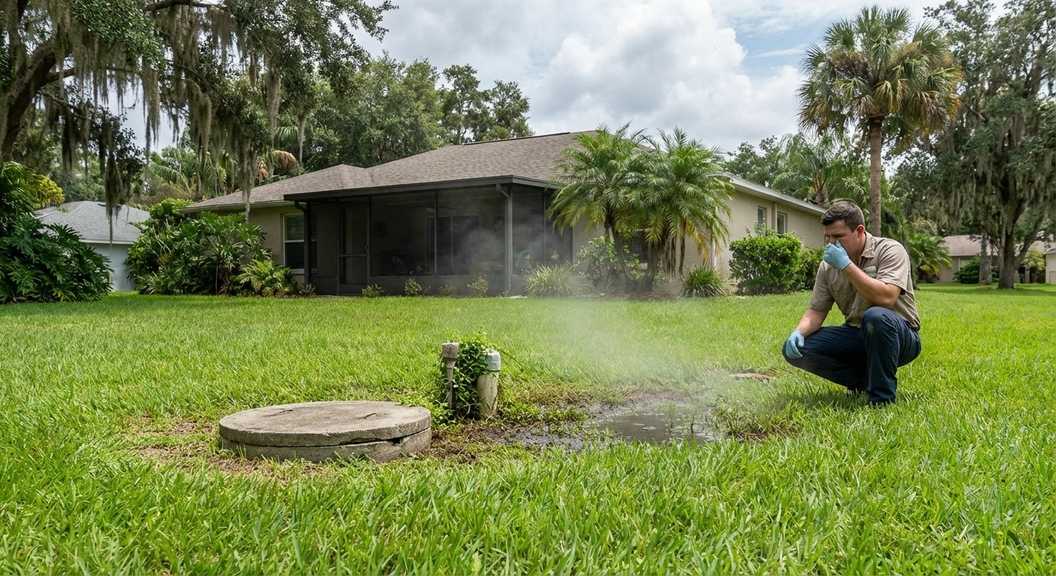
So here's the reality. If your septic system is functioning the way it should, you shouldn't smell anything. Gases stay contained. Waste gets processed. Everything flows underground without a trace. But when something breaks down—whether it's a full tank, a clogged vent, or a failing drain field—those gases find their way out. And once they do, the problem is already bigger than you think.
When Your System Stops Containing What It Should
Nine times out of ten, septic odors mean something isn't working right. Your tank processes waste through bacterial breakdown, which naturally produces gases like hydrogen sulfide and methane. Under normal conditions, those gases vent safely through pipes that run above your roofline. The system is designed to keep everything sealed and odor-free.
But if that venting fails? Different story. Blocked pipes, saturated drain fields, or an overloaded tank can push gases back into your home or yard. We see this play out constantly in Lakeland properties—especially older systems or homes that haven't kept up with routine septic tank pumping. And when those gases escape, the smell is unmistakable. It's not something you can cover up with air freshener or ignore until it goes away.
The Usual Suspects Behind the Stench
Want to know why your property smells like a sewer? You'll need to look at the most common failure points. Septic systems are straightforward, but they rely on every component doing its job. Miss one, and the whole thing falls apart.
- Overdue for pumping: If your tank hasn't been emptied in years, solids build up and gases have nowhere to go but out.
- Vent pipe blockages: Birds, debris, or even ice can clog the vent that's supposed to carry gases away from your home.
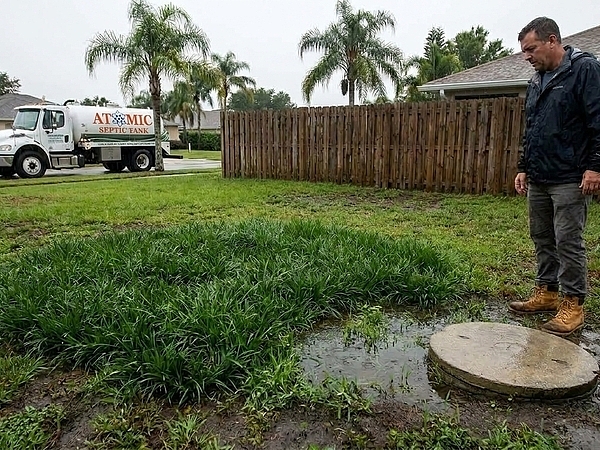
- Drain field saturation: When the soil can't absorb wastewater anymore, it pools on the surface and releases odor.
- Cracked or broken pipes: Damage to your plumbing lets gases leak into crawl spaces, basements, or directly into living areas.
- Dry P-traps: If a drain hasn't been used in a while, the water seal evaporates and septic gases flow straight up through the sink or shower.
Where the Smell Shows Up First
Septic odors don't announce themselves evenly across your property. They tend to concentrate in specific zones, and knowing where to look can help you pinpoint the source faster.
- Around the tank or drain field: If the smell is strongest outdoors near where your system is buried, that's a red flag for overflow or field failure.
- Inside bathrooms or kitchens: Odors coming from drains usually mean a venting issue or a dry trap that's letting gases rise.
- Basements and low-lying areas: Gases are heavier than air, so they settle in lower spaces if there's a leak in your plumbing.
- Near the roofline: Sometimes the vent pipe itself is the problem—if it's too short or improperly installed, gases don't disperse and drift back down.
Why This Isn't Just About Comfort
Sure, the smell is awful. But the bigger issue is what it represents. Hydrogen sulfide isn't just foul—it's toxic in high concentrations. Prolonged exposure can cause headaches, dizziness, nausea, and respiratory problems. If you're smelling it regularly, you're breathing it in.
And it's not just a health risk for your household. A failing septic system can contaminate groundwater, affect nearby wells, and create environmental hazards that extend beyond your property line. In Lakeland, where water tables can be high and soil conditions vary, a compromised system can spread contamination faster than you'd expect. That's not something you want to gamble on.
What You Should Do the Moment You Notice It
Don't wait for the smell to get worse or hope it disappears on its own. Septic problems don't fix themselves, and the longer you wait, the more expensive the repair becomes. Start with the basics, then bring in a professional if the issue persists.
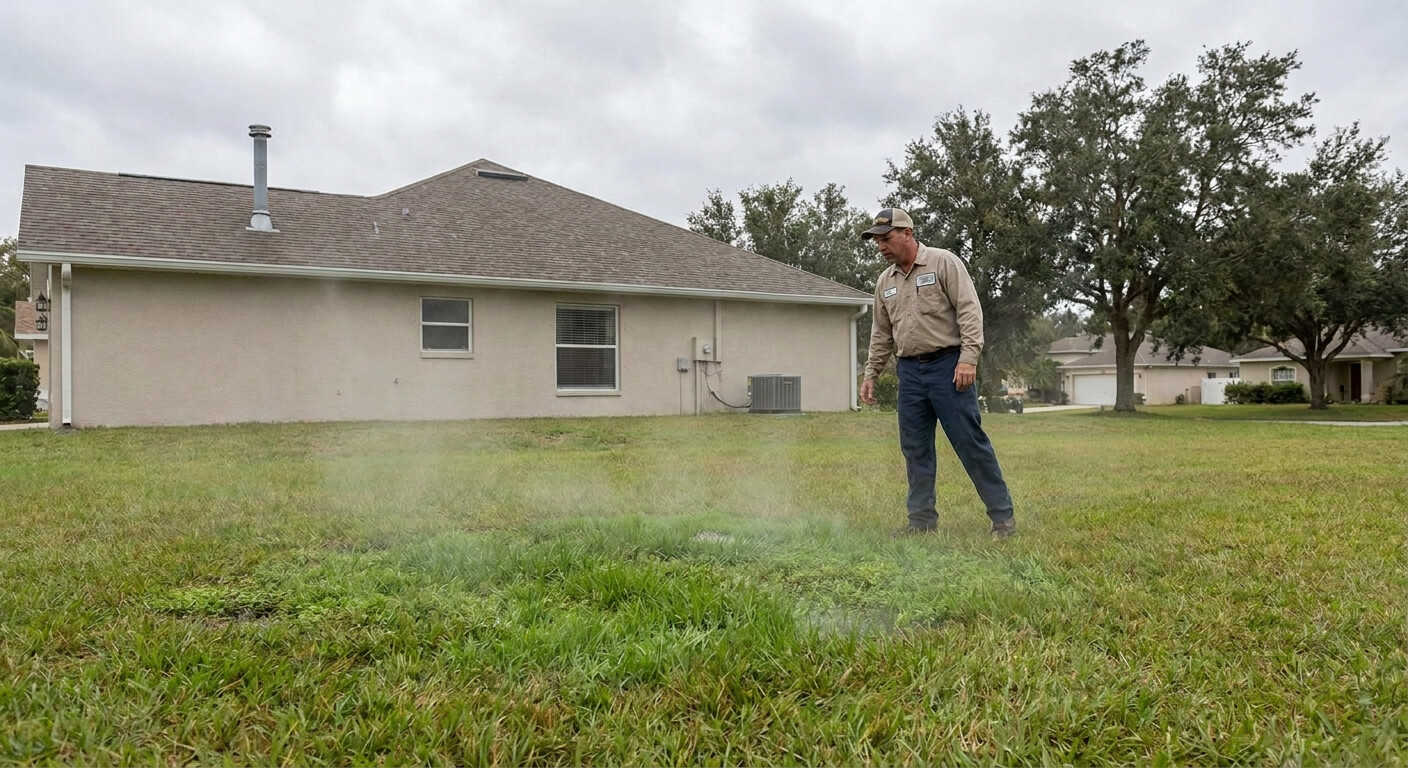
- Check for standing water: Walk your drain field and look for soggy patches, unusually green grass, or surface pooling.
- Run water through every drain: Make sure all P-traps are filled and sealing properly.
- Inspect vent pipes: Look for visible blockages or damage on your roof or around the vent stack.
- Schedule a tank inspection: If it's been more than three years since your last pump, you're overdue.
- Document everything: Take photos, note when the smell started, and track any changes in your plumbing or yard conditions.
How to Keep the Problem from Coming Back
Once you've dealt with the immediate issue, the goal is to make sure it doesn't happen again. Septic systems need regular attention, and most failures are preventable with septic tank service maintenance and smart habits.
- Pump your tank every three to five years: This isn't optional. It's the single most important thing you can do to avoid backups and odors.
- Watch what goes down the drain: No grease, no wipes, no chemicals that kill the bacteria your system relies on.
- Spread out water usage: Don't run multiple loads of laundry in one day or take back-to-back showers. Give your system time to process.
- Protect your drain field: Don't park on it, plant trees near it, or let heavy equipment roll over it.
- Keep records: Know when your tank was last pumped, where your system is located, and who to call when something goes wrong.
Smells Don't Lie, and Neither Do Septic Systems
Ignoring a septic odor is like ignoring a check engine light. It might go away for a day or two, but the underlying problem is still there—and it's getting worse. The difference is that septic failures don't just cost money. They create health risks, environmental damage, and headaches that could have been avoided with a single service call.
We've seen too many Lakeland homeowners wait until their yard is flooded or their basement smells like a sewer before they take action. By then, the repair bill has tripled and the damage is done. If you're catching a whiff of something off, don't brush it aside. Get it checked with residential and commercial septic tank services, get it fixed with professional residential drainfield repair or septic filter cleaning if needed, and get back to a property that doesn't announce itself from the driveway. Contact us today to schedule an inspection and protect your property from costly septic failures.
Let’s Solve Your Septic Smell Problem Together
We know how disruptive and stressful septic odors can be for your home and family. Let’s put an end to the guessing and get your property back to normal. If you’re ready for answers and real solutions, give us a call at 863-393-3127 or get a quote and let’s get your septic system working the way it should.
‹ Back
Recent Posts
-
Can a Power Outage Affect Your Lakeland Lift Station?
October 23, 2026
-

Should You Repair or Replace Your Lakeland Drain Field?
October 9, 2026
-
When Should You Schedule Septic Tank Pumping in Lakeland?
September 25, 2026
-

Can Heavy Rain Overflow Your Septic Tank in Lakeland?
September 11, 2026
-

Is Your Septic System in Lakeland Ready for Property Expansion?
August 28, 2026