

When Slow Drains Could Point to Septic Repairs in Lakeland
Most Lakeland homeowners think a sluggish drain is just a minor annoyance. Hair in the trap, soap buildup, maybe some grease. But when that slow drain shows up in multiple fixtures — or keeps coming back no matter what you pour down there — you're looking at something bigger. Your septic system might be sending you a message, and if you ignore it, you're asking for a backup that'll cost you thousands.
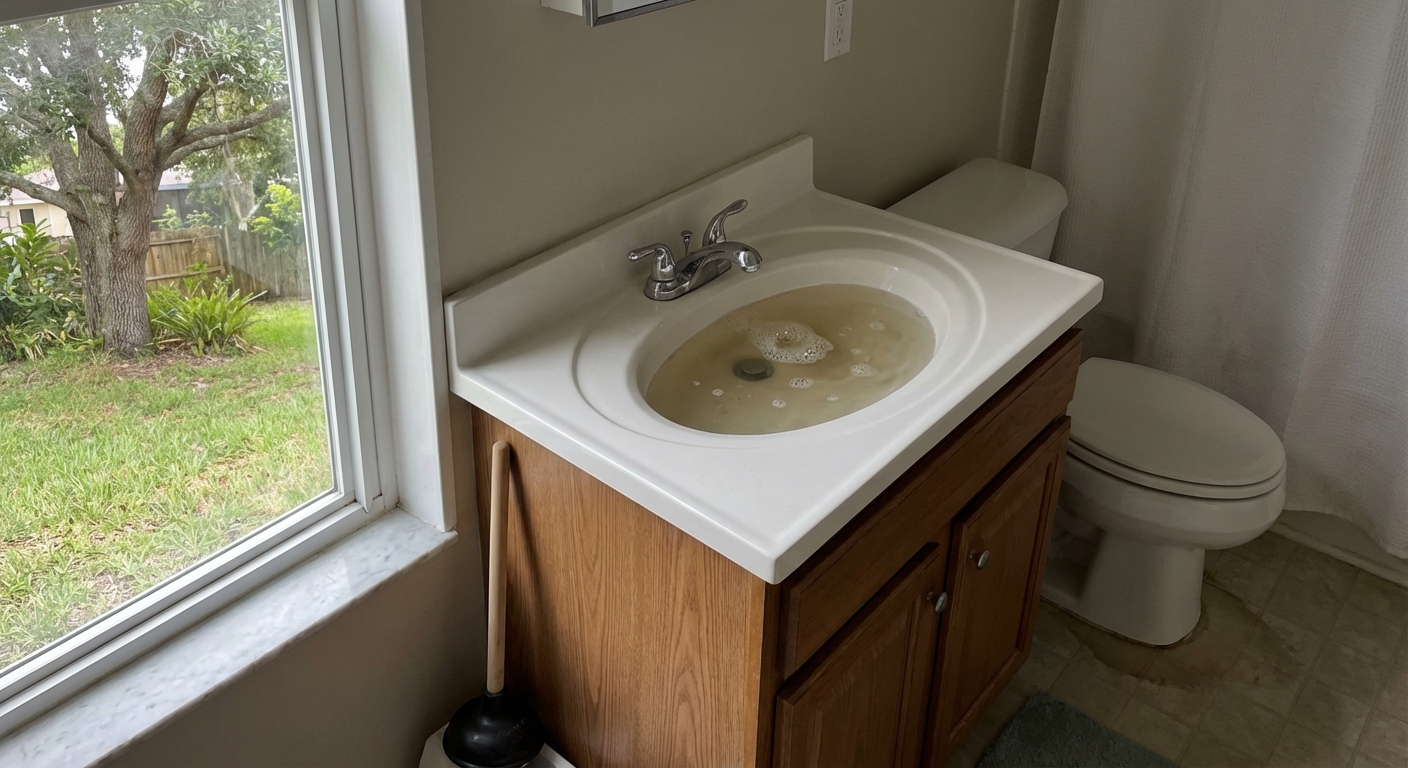
Septic systems don't fail overnight. They give warnings. Slow drains are one of the earliest. And in Lakeland's climate, where soil saturation and heavy rains can push a struggling system over the edge, those warnings matter. Every flush should clear fast. Every sink should empty clean. When that stops happening, it's time to dig deeper — before the problem digs into your wallet.
How Your System Handles Waste
Your septic tank sits underground, quietly processing everything that leaves your house. Solids drop to the bottom, liquids flow out to the drain field, and bacteria break down what they can. It's a simple setup, but it relies on balance. Too much solid buildup, and the tank can't handle the volume. A clogged line or saturated drain field, and wastewater has nowhere to go.
When that balance breaks, the first thing you'll notice is drainage slowing down. Water hesitates before it disappears. Toilets take an extra second to clear. Showers pool around your feet. That's not random — that's your system telling you it's struggling to keep up.
What Causes the Backup
Slow drains tied to septic trouble usually come from a handful of culprits. None of them fix themselves, and all of them get worse with time.
- Tank overload: If you haven't pumped in years, solids pile up and block the outlet. Wastewater can't exit fast enough, so it backs up into your plumbing.
- Pipe blockages: Grease, wipes, and other debris can clog the line between your house and the tank, choking off flow.
- Drain field failure: When the soil can't absorb effluent anymore, water has nowhere to go. It backs up into the tank, then into your drains.
- Root invasion: Lakeland's trees love septic lines. Roots crack pipes and create blockages that slow everything down.
- Saturated soil: Heavy rain or high water tables can flood the drain field, preventing proper drainage and causing backups.
Red Flags Beyond the Drain
A single slow drain might just be a clog. But when you see patterns — multiple fixtures acting up, gurgling noises when you flush, or foul smells creeping in — that's your septic system waving a red flag. These symptoms don't show up alone. They cluster. And when they do, you're past the point of a quick fix.
Standing water in your yard is another giveaway. If the grass over your drain field is soggy or greener than the rest of the lawn, effluent isn't draining properly. That's not fertilizer — that's untreated wastewater surfacing because the system can't handle the load.
Why Waiting Makes It Worse
Ignoring slow drains doesn't make them go away. It gives the problem time to escalate. A full tank becomes a backup. A clogged line becomes a burst pipe. A saturated drain field becomes a health hazard. And every day you wait, the repair bill climbs.
Sewage backups aren't just disgusting — they're dangerous. Raw waste carries bacteria and pathogens that can contaminate your home and yard. If it reaches your neighbor's property or a water source, you're looking at liability on top of cleanup costs. Catching the issue early keeps it manageable.
Steps to Take When Drains Slow Down
Start with the obvious. Check for localized clogs in sinks and tubs. A plunger or drain snake might clear a simple blockage. But if the problem persists, or if multiple drains are affected, it's time to call in a professional.
- Test multiple fixtures: Run water in different sinks, showers, and toilets. If they all drain slowly, the issue is systemic.
- Listen for gurgling: Air bubbles in your plumbing mean wastewater isn't flowing smoothly.
- Check outside: Look for wet spots, odors, or lush patches of grass near the septic tank or drain field.
- Schedule an inspection: A licensed septic pro can pump the tank, camera the lines, and diagnose the root cause.
Maintenance Keeps the System Running
Septic systems need regular attention. Septic tank pumping every three to five years is standard, but your household size and water usage might require more frequent service. Skipping maintenance doesn't save money — it just shifts the cost to emergency repairs.
Keep records of when your tank was last pumped and inspected. Track any repairs or issues. If you're buying a home in Lakeland with a septic system, ask for those records upfront. A well-maintained system is an asset. A neglected one is a liability waiting to surface.
What Professionals Look For
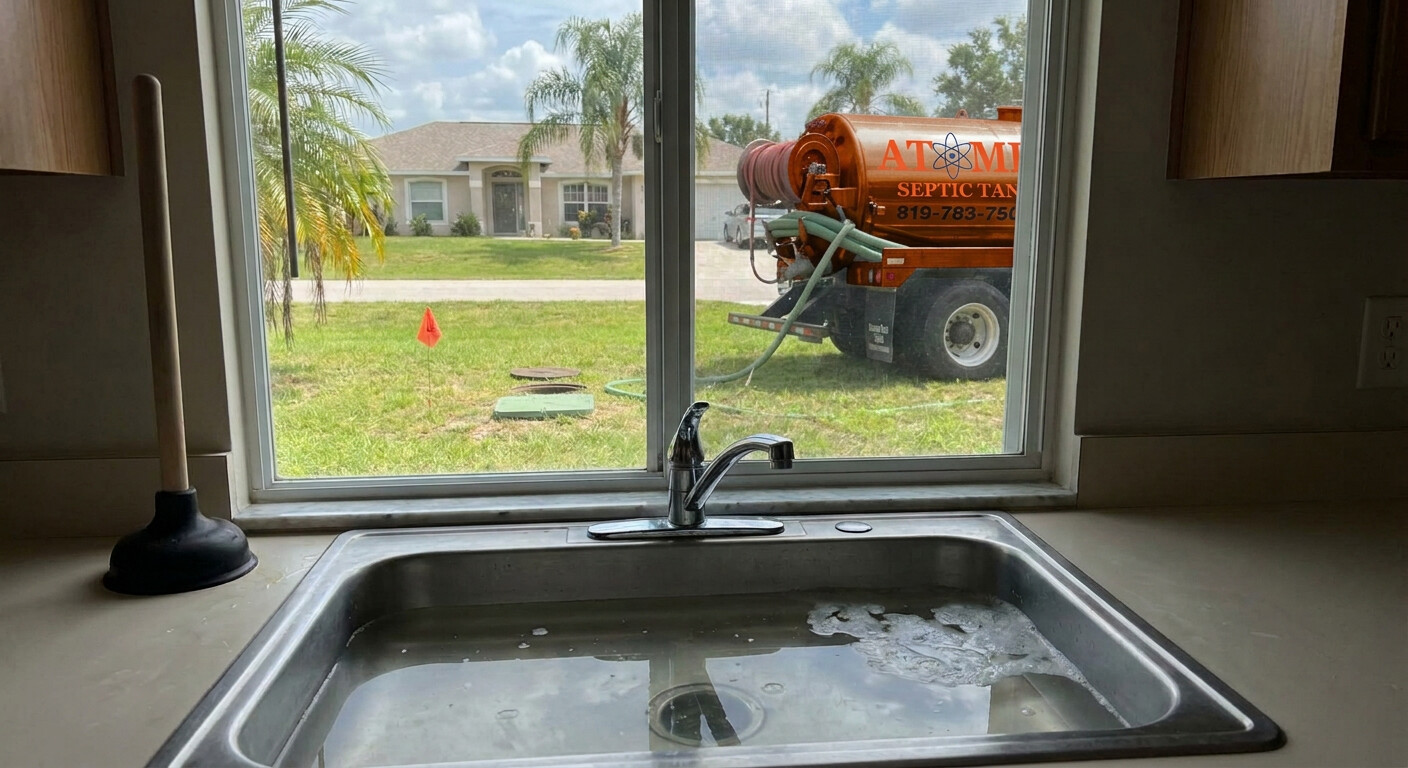
When a septic tech shows up, they're not just pumping the tank and leaving. They're checking the inlet and outlet baffles, inspecting the drain field, and looking for signs of damage or wear. They'll measure sludge levels, test for leaks, and assess whether the system is sized correctly for your home.
- Tank condition: Cracks, corrosion, or structural damage can compromise the entire system.
- Baffle integrity: Damaged baffles let solids escape into the drain field, causing clogs.
- Drain field health: Saturated or compacted soil means the field isn't absorbing effluent properly.
- Pipe integrity: Roots, breaks, or bellied sections can restrict flow and cause backups.
When Repairs Are Unavoidable
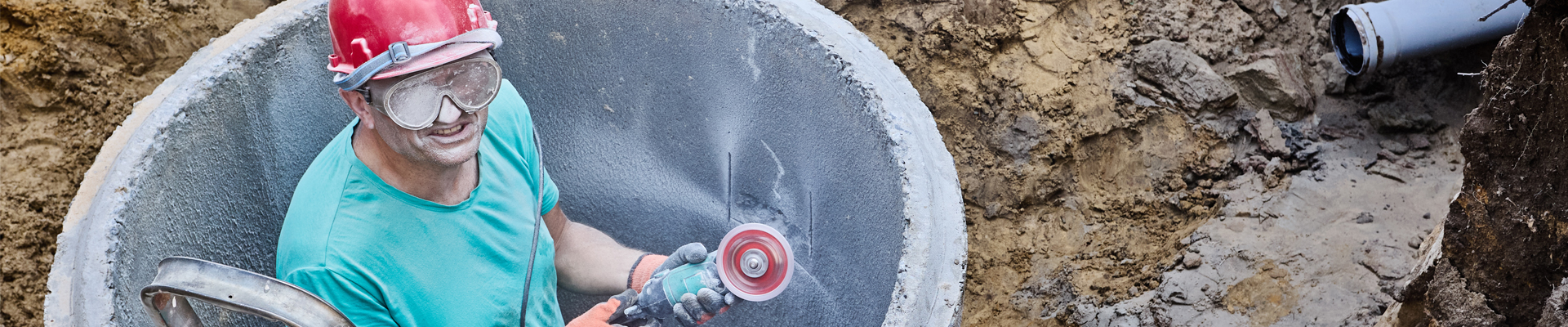
Sometimes pumping and cleaning aren't enough. If the drain field has failed, you might need a replacement. If roots have invaded the lines, you'll need excavation and new piping. If the tank itself is cracked, you're looking at a full replacement.
These aren't cheap fixes, but they're necessary. A failing septic system won't heal itself. And the longer you wait, the more damage it does to your property and your budget. Get quotes from licensed contractors, ask about permits, and make sure the work meets Lakeland's code requirements.
Prevention Beats Panic
The best septic repair is the one you never need. Watch what goes down your drains. Grease, wipes, and harsh chemicals don't belong in a septic system. Spread out laundry loads instead of running five back-to-back. Fix leaky toilets before they flood the tank with unnecessary water.
- Avoid garbage disposals: Food waste accelerates solid buildup in the tank.
- Use septic-safe products: Harsh cleaners kill the bacteria that break down waste.
- Divert runoff: Keep gutters and drainage away from the drain field to prevent saturation.
- Protect the field: Don't park or build over the drain field — compaction kills absorption.
Slow Drains Deserve Fast Action
Drainage issues don't resolve themselves. They escalate. What starts as a minor inconvenience turns into a sewage backup, a flooded yard, or a condemned system. Lakeland homeowners who treat slow drains as an early warning — not a nuisance — save themselves time, money, and a whole lot of mess. Regular septic tank service and maintenance ensures your system works hard for decades. Professional residential drainfield repair and installation can address failing drain fields before they become health hazards. If you're experiencing persistent drainage problems, septic filter cleaning may restore proper flow. For comprehensive solutions, explore our residential and commercial septic tank services. Don't wait until a minor issue becomes a major expense—contact us today for expert septic system care.
Let’s Solve Your Septic Issues Together
We know how stressful slow drains and septic problems can be for Lakeland homeowners. Let’s get your home back to normal with fast, reliable service and honest advice. If you’re ready to put septic worries behind you, give us a call at 863-393-3127 or get a quote and let’s get your system flowing right again.
‹ Back
Recent Posts
-
Can a Power Outage Affect Your Lakeland Lift Station?
October 23, 2026
-
Should You Repair or Replace Your Lakeland Drain Field?
October 9, 2026
-
When Should You Schedule Septic Tank Pumping in Lakeland?
September 25, 2026
-

Can Heavy Rain Overflow Your Septic Tank in Lakeland?
September 11, 2026
-

Is Your Septic System in Lakeland Ready for Property Expansion?
August 28, 2026