
Why Your Lakeland Yard Stays Wet Near the Drain Field
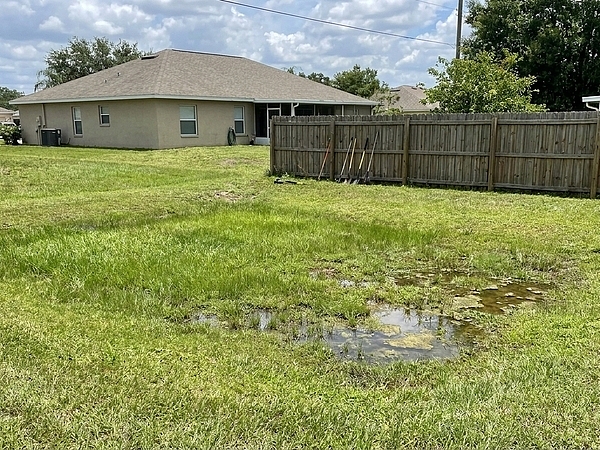
Most homeowners think a soggy yard is just bad luck. Rain happens, grass gets muddy, things dry out. But when that wet patch sits right over your drain field and refuses to budge, the problem isn't weather — it's your septic system trying to tell you something. And if you're not listening, you're setting yourself up for a mess that goes way beyond a muddy lawn.
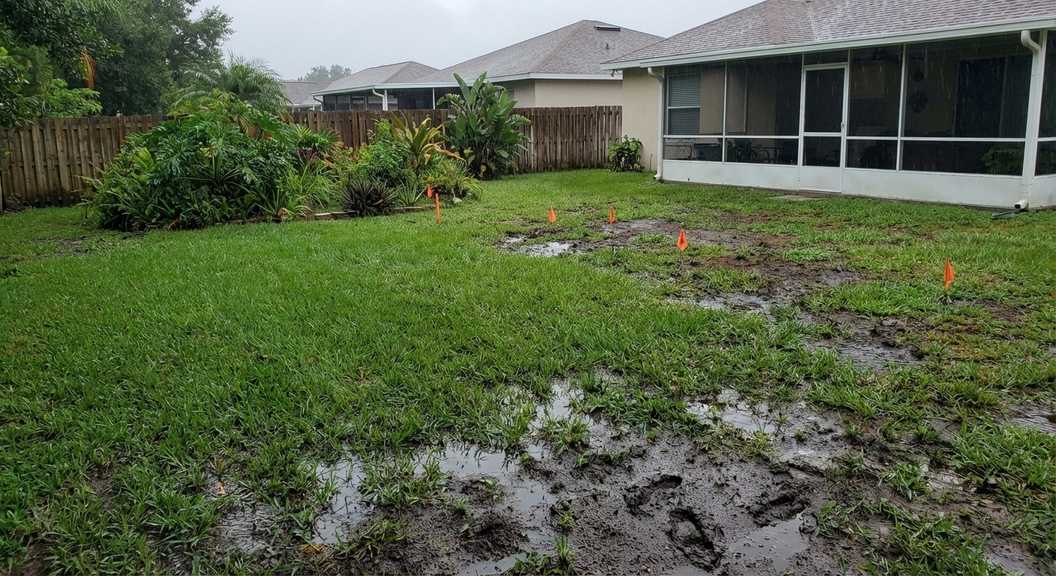
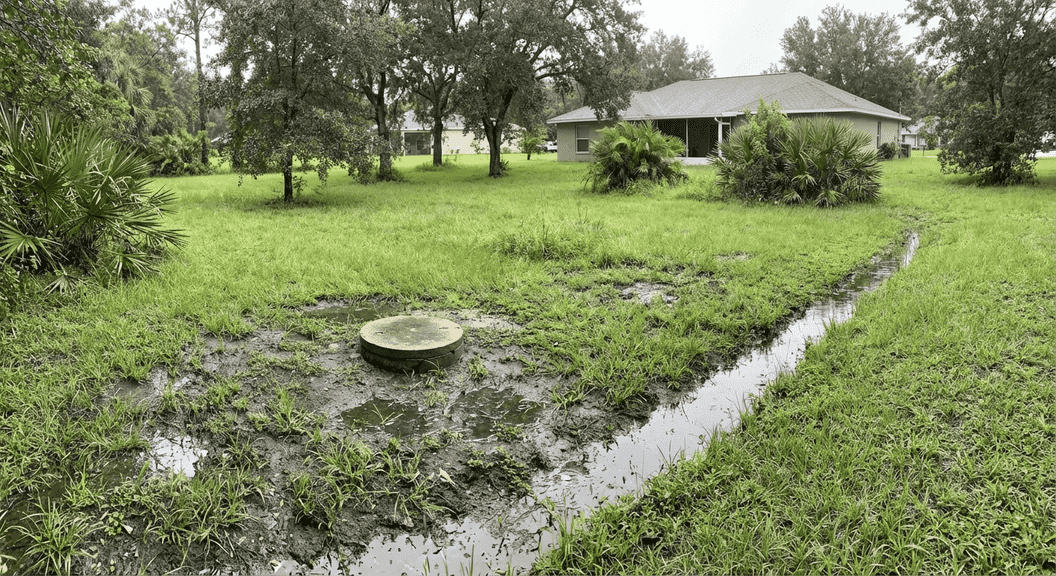
So here's what's really happening. Your drain field exists to filter wastewater back into the ground. When it works, you never notice it. When it doesn't, you get standing water, foul smells, and a yard that feels more like a swamp than a lawn. Every soggy spot has a reason. Every puddle points to something failing underground. And every day you ignore it makes the fix more expensive.
When the Ground Can't Keep Up
Lakeland sits on soil that doesn't always cooperate. Between the high water table and clay-heavy dirt, your yard might not have the drainage capacity it needs to handle what your septic system is pushing out. When groundwater rises during rainy season, it saturates the soil around your drain field. That effluent has nowhere to go, so it backs up to the surface.
Compacted soil makes it worse. If your property has heavy clay or years of foot traffic pressing down on the drain field area, water can't percolate the way it should. The system floods itself, and your yard pays the price. This isn't a design flaw — it's geology working against you.
Your System Is Drowning in Its Own Output
Septic systems have limits. Push too much water through them, and they can't keep up. If your household runs multiple loads of laundry in one day, takes long showers, and leaves faucets dripping, you're overloading the tank. The drain field gets hit with more effluent than it can absorb, and the excess pools on the surface.
Undersized tanks make this worse. If your system was installed decades ago or wasn't built for your current household size, it's working overtime every single day. Eventually, something gives. And when it does, your yard becomes the overflow zone.
Clogs and Failures You Can't See
Underground, your drain field pipes are supposed to distribute wastewater evenly across the soil. But over time, those pipes can clog with solids, roots, or biomat buildup — a slimy layer of bacteria and organic material that blocks absorption. When the pipes can't do their job, effluent backs up and saturates the ground above.
Root intrusion is a big one. Trees and shrubs near the drain field send roots hunting for water, and septic pipes are an easy target. Once roots break in, they create blockages that choke the system. You won't see it happening, but your yard will show the symptoms.
Rain Doesn't Help
Lakeland's summer storms dump inches of rain in a matter of hours. Even a healthy drain field can struggle when the soil is already saturated from rainfall. Add in effluent from your septic system, and the ground simply can't absorb it all. The result is standing water that lingers long after the storm passes.
This isn't always a sign of failure. Sometimes it's just bad timing. But if your yard stays wet for days after a storm, or if it happens every time it rains, you're looking at a system that's already on the edge. The rain just push just pushes it over.
What Happens When You Ignore It
A wet yard isn't just ugly. It's a health hazard. Untreated wastewater rising to the surface exposes your family and pets to bacteria, viruses, and parasites. Standing water attracts mosquitoes and pests. It can also leave algae, mildew, and staining on nearby walkways, patios, and concrete surfaces, and many homeowners end up calling companies like Pressure Washing South Florida to restore those exterior surfaces. And the longer you wait, the more damage you're doing to the drain field itself.
Repairs get expensive fast. A clogged pipe might cost a few hundred dollars to fix. A failed drain field can run into the tens of thousands. And if contamination spreads to your well or your neighbor's property, you're looking at liability on top of the repair bill. This is the kind of problem that compounds the longer you let it sit.
Steps That Actually Work
You can't fix a failing drain field with a garden hose and good intentions. But you can take steps to reduce the strain on your system and give it a fighting chance. Start by cutting back on water usage. Spread out laundry loads, fix leaks, and install low-flow fixtures. Every gallon you save is one less gallon your drain field has to process.
Here's what else makes a difference:
- Pump your septic tank on schedule — every three to five years for most households
- Keep heavy vehicles and equipment off the drain field to prevent soil compaction
- Redirect downspouts and runoff away from the septic area
- Avoid planting trees or deep-rooted shrubs anywhere near the drain field
- Install a French drain or swale to improve surface drainage if your yard slopes toward the field
When to Bring in a Pro
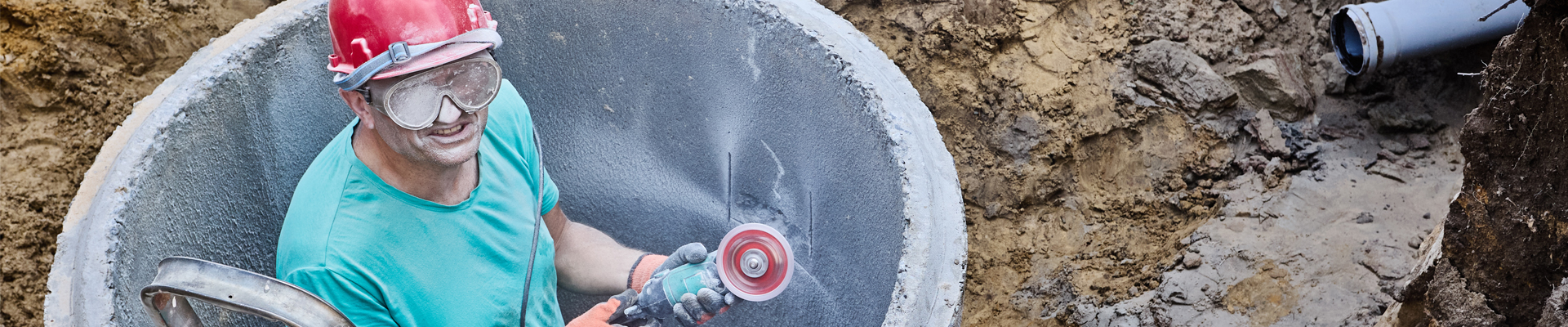
If your yard stays wet for more than a few days after rain, or if you notice foul odors or slow drains inside the house, it's time to call a septic professional. They'll inspect the tank, check for clogs, and assess whether the drain field is still functional. Some problems can be fixed with a pump-out or a pipe cleaning. cleaning. Others require a full residential drainfield repair installation.
Don't wait for the problem to get worse. A wet yard is an early warning sign. Catch it now, and you might avoid a catastrophic failure. Ignore it, and you're gambling with your property value and your family's health.
What Your Yard Is Trying to Tell You
That soggy patch near your drain field isn't random. It's a symptom of a system under stress. Whether it's poor drainage, an overloaded tank, or a clogged pipe, the fix starts with understanding what's actually happening underground. And the sooner you address it, the less it's going to cost you.
Here's what to watch for:
- Persistent wetness that doesn't dry out between storms
- Lush, overgrown grass in one specific area
- Foul smells near the drain field
- Slow drains or gurgling toilets inside the house
- Sewage backup in sinks or tubs
Maintenance Beats Replacement Every Time
Septic systems don't fail overnight. They give you warning signs — wet yards, slow drains, strange smells. Most homeowners just don't know what they're looking at until it's too late. Regular septic tank service maintenance keeps your system running and catches problems before they turn into emergencies.
Schedule inspections every few years. years. Pump the tank before it overflows. Keep records of when the system was last serviced and what was done. This isn't glamorous work, but it's the difference between a $300 pump-out and a $20,000 drain field replacement.
Your Yard Shouldn't Be a Swamp
A wet yard near your drain field is a red flag, not a quirk of Florida living. It means your septic system is struggling, and the longer you wait, the worse it gets. The fix might be simple — better drainage, less water usage, a routine septic tank pumping. Or it might be serious — a clogged field, root intrusion, or a system that's reached the end of its life.
Either way, you won't know until you investigate. And the cost of waiting is always higher than the cost of acting. If your Lakeland yard is staying wet near the drain field, don't shrug it off. Get it checked, get it fixed, and get back to a yard that actually drains. For professional help with your residential and commercial septic tank services, contact Atomic Septic Tank today or get a quote for your specific needs.
Let’s Restore Your Yard Together
We know how frustrating it is to deal with a soggy, unusable yard. Let’s work together to get your drain field and septic system back on track so you can enjoy your property again. If you’re ready for answers and real solutions, give us a call at 863-393-3127 or get a quote and let’s get your yard drying out for good.
‹ Back
Recent Posts
-

Can Heavy Rain Overflow Your Septic Tank in Lakeland?
September 11, 2026
-

Is Your Septic System in Lakeland Ready for Property Expansion?
August 28, 2026
-
Does Your Business in Lakeland Need a Lift Station Inspection?
August 14, 2026
-
-