

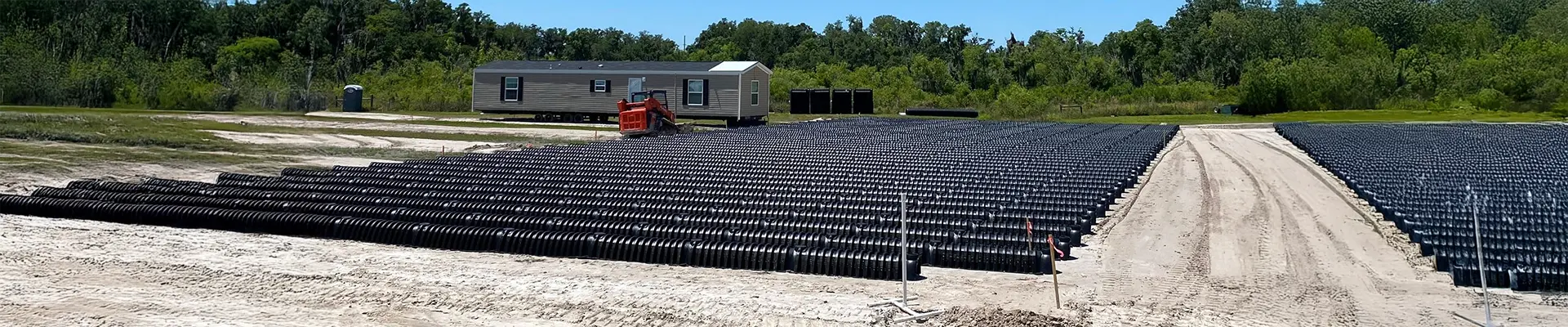
Plant City Septic Tank Services
When you're dealing with septic tank service in Plant City, the last thing you want is a system that fails during the worst possible moment. Homes and businesses across this vibrant community depend on reliable wastewater management, yet many property owners overlook routine care until something goes wrong. From the historic downtown district near Collins Street to the newer developments spreading toward Sydney Dover Road, septic systems work quietly beneath the surface—until they don't. Understanding how to maintain, repair, and optimize your system can save you thousands in emergency costs while protecting your property value and the local environment.
 Plant City's unique soil composition and seasonal weather patterns create specific challenges for septic systems that differ from neighboring areas. Heavy summer rains can saturate drain fields, while the region's clay-heavy soil in certain neighborhoods slows percolation rates and increases the risk of backups. Whether you're running a commercial operation near the Strawberry Festival grounds or managing a residential property in the quiet streets off Reynolds Street, your septic system faces demands that require professional attention. We've seen firsthand how proactive septic system maintenance in Plant City prevents the kind of catastrophic failures that disrupt daily life and drain bank accounts.
Choosing the right partner for your wastewater needs means finding a team that understands local conditions and delivers solutions tailored to your property. Atomic Septic Tank Services brings years of hands-on experience to every job, combining technical expertise with a commitment to transparent communication. From routine pumping schedules to complex drain field repairs, we approach each project with the same attention to detail and respect for your time. This guide walks you through everything you need to know about maintaining a healthy septic system in Plant City, offering practical insights that help you make informed decisions and avoid costly mistakes.
Why Plant City Septic Tank Pumping Protects Your Investment
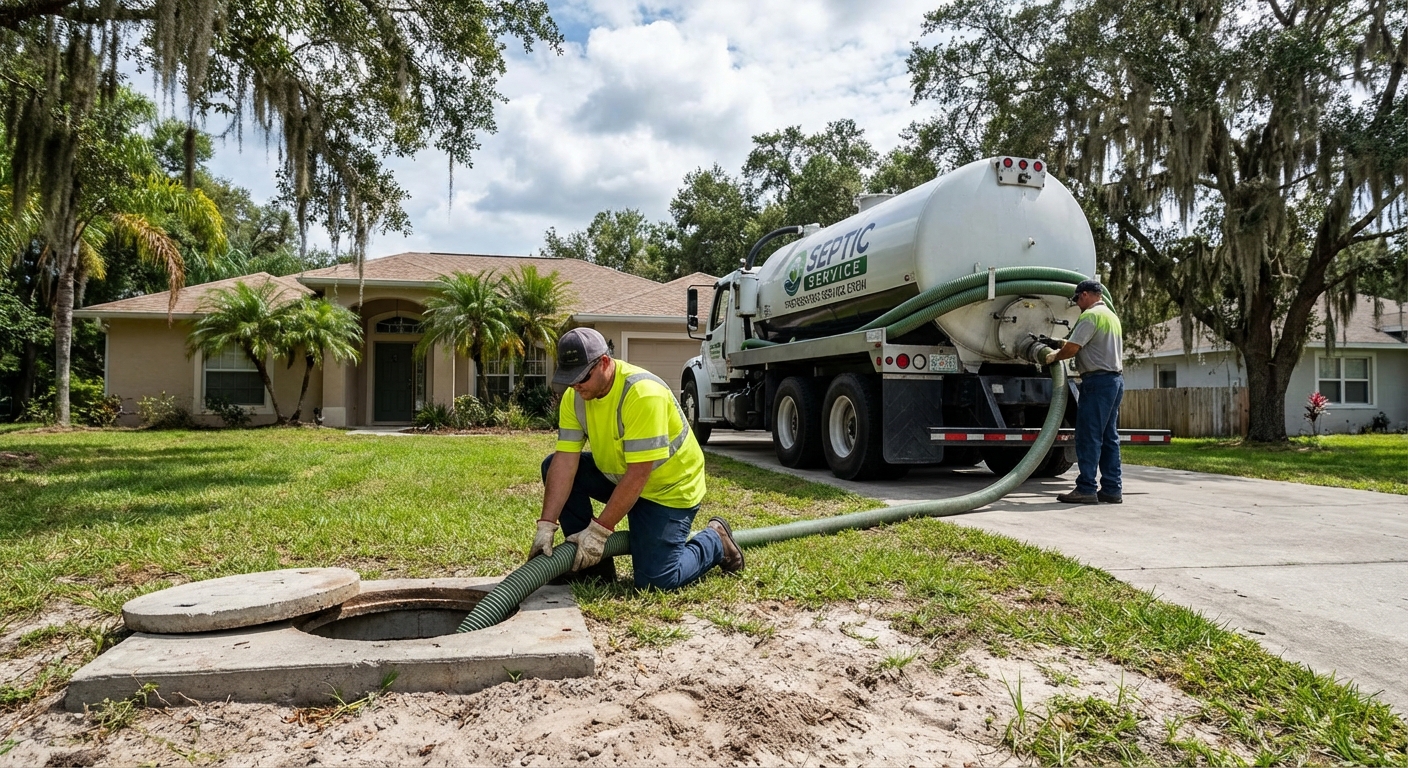
Regular pumping isn't just a maintenance task—it's the foundation of a long-lasting septic system. Over time, solid waste accumulates in your tank, reducing its effective capacity and forcing untreated effluent into your drain field prematurely. This process accelerates wear on every component of your system, from the baffles inside the tank to the perforated pipes distributing wastewater underground. In Plant City's humid climate, where microbial activity fluctuates with temperature swings, the rate of sludge buildup can vary significantly between properties. A household of four typically needs pumping every three to five years, but factors like garbage disposal use, water softener discharge, and the age of your system can shorten that interval considerably.
Skipping scheduled pumping creates a domino effect of problems that compound over time. When solids overflow into the drain field, they clog the soil's pores and create an impermeable layer that prevents proper filtration. This condition, known as biomat failure, often requires expensive excavation and soil replacement—a repair that can easily cost ten times more than routine pumping. Properties near the Plant City Municipal Airport or along the eastern edges of town, where water tables sit higher, face even greater risks when systems operate beyond capacity. We've responded to emergencies where neglected tanks caused sewage backups into homes, creating health hazards and forcing families to relocate during repairs.
The financial logic of regular septic tank pumping becomes clear when you compare costs. A typical pumping service runs a few hundred dollars and takes just a couple of hours, while drain field replacement can exceed $10,000 and disrupt your property for weeks. Beyond the immediate expense, a failing septic system tanks your property value and complicates future sales. Buyers increasingly request septic inspections during real estate transactions, and any red flags in the inspection report give them leverage to negotiate lower prices or walk away entirely. Protecting your investment means treating pumping as non-negotiable maintenance, not an optional expense you defer until problems surface.
Recognizing When You Need Drain Field Repair in Plant City
Drain fields fail gradually, giving you warning signs long before complete collapse. Slow drains throughout your home, persistent sewage odors near the tank or yard, and patches of unusually lush grass above the drain field all indicate trouble brewing underground. In Plant City's sandy loam areas, you might notice soggy spots that never fully dry, even during stretches without rain. These wet zones signal that your drain field can't absorb effluent at the rate your household produces it, forcing wastewater to pool on the surface. Ignoring these symptoms doesn't make them disappear—it just guarantees more extensive damage and higher repair bills down the line.
Several factors contribute to drain field failure, and understanding them helps you prevent problems before they start. Hydraulic overload from excessive water use—think long showers, frequent laundry cycles, and running multiple fixtures simultaneously—overwhelms the system's capacity to process waste. Chemical damage from harsh cleaners, antibacterial soaps, and paint thinners kills the beneficial bacteria that break down solids in your tank, allowing undigested waste to reach the drain field. Physical damage from vehicle traffic, construction equipment, or even deep-rooted trees can crush pipes and compact soil, destroying the field's ability to function. Properties along State Road 39 or near the newer subdivisions off Jim Lefler Circle often face these challenges due to landscaping choices and lot configurations that don't account for septic system needs.
Professional drain field repair starts with accurate diagnosis. We use video inspection equipment to examine pipes from the inside, identifying cracks, root intrusion, and blockages without unnecessary excavation. Soil testing reveals whether the problem stems from saturation, compaction, or biomat buildup, guiding our repair strategy. In some cases, we can restore function through targeted interventions like jetting clogged pipes, aerating compacted soil, or installing distribution boxes to redirect flow. More severe failures require partial or complete field replacement, a process we handle with minimal disruption to your landscaping and daily routine. The key is catching problems early, when repairs remain manageable and costs stay reasonable.
Commercial Lift Station Service Plant City Businesses Count On
Commercial properties face septic challenges that dwarf residential concerns. Restaurants, retail centers, and office buildings generate wastewater volumes that require specialized equipment to move effluent from low-lying collection points to septic tanks or municipal sewer lines. Lift stations handle this critical task, using pumps and controls to maintain consistent flow regardless of building layout or terrain. When these systems fail, the consequences ripple through your entire operation—backed-up restrooms force you to close to customers, health department violations threaten your permits, and emergency repairs eat into your profit margins. Businesses near the historic downtown area or along Wheeler Street can't afford downtime, making reliable lift station maintenance essential to daily operations.
Lift stations demand regular attention to prevent failures that shut down your business. Pumps wear out from constant cycling, float switches stick or corrode, and control panels malfunction due to moisture exposure or electrical surges. Grease accumulation from food service operations creates additional strain, coating pump impellers and reducing efficiency until the system can't keep pace with demand. We've seen lift stations fail during peak business hours, creating unsanitary conditions that force immediate closures and generate negative reviews that linger online for years. Preventive maintenance catches these issues before they escalate, replacing worn components during scheduled service visits rather than emergency callouts that cost three times as much.
Our commercial lift station service in Plant City includes comprehensive inspections that evaluate every system component. We test pump performance under load, verify alarm functions, and inspect electrical connections for signs of deterioration. Grease traps receive special attention in food service applications, where proper maintenance prevents the buildup that causes most lift station failures. We also provide detailed service records that satisfy health department requirements and demonstrate due diligence during inspections. For businesses operating on tight margins, this proactive approach protects your reputation and bottom line while ensuring compliance with local regulations.
- Scheduled pump testing and replacement before failure occurs
- Alarm system verification to ensure early warning of problems
- Grease trap cleaning and maintenance for food service operations
- Emergency response available 24/7 to minimize business disruption
These services work together to keep your commercial operation running smoothly, preventing the kind of catastrophic failures that damage your reputation and drain your resources. Regular maintenance costs a fraction of emergency repairs, and the peace of mind that comes from knowing your lift station won't fail during your busiest hours is invaluable. We tailor service schedules to your specific needs, accounting for your business type, customer volume, and operational hours to deliver maximum value without unnecessary visits.
How Septic System Maintenance in Plant City Prevents Expensive Emergencies
Maintenance isn't glamorous, but it's the difference between a system that lasts decades and one that fails prematurely. Your septic system operates as a biological treatment plant, relying on carefully balanced bacterial colonies to break down waste. Disrupting this balance through neglect or misuse triggers a cascade of problems that compromise every component. Simple habits like spreading laundry loads throughout the week instead of doing them all on Saturday, avoiding chemical drain cleaners, and never flushing non-biodegradable items protect your system from unnecessary stress. Properties throughout Plant City, from the established neighborhoods near Plant City High School to the rural homes along Turkey Creek Road, benefit from these straightforward practices that cost nothing but save thousands.
Professional inspections catch developing problems while they're still minor. During a typical maintenance visit, we measure sludge and scum layers to determine if pumping is needed, inspect baffles for damage, and check for leaks around the tank and distribution box. We also evaluate your drain field for signs of saturation or failure, looking for the subtle indicators that homeowners often miss. This comprehensive approach identifies issues in their early stages, when repairs remain simple and affordable. We've prevented countless drain field replacements by catching problems during routine inspections, saving property owners tens of thousands of dollars and weeks of disruption.
Seasonal considerations play a major role in septic system maintenance in Plant City. Summer's heavy rains saturate soil and raise water tables, reducing your drain field's capacity to absorb effluent. We recommend reducing water use during prolonged wet periods and scheduling pumping before the rainy season if your tank is approaching capacity. Winter's cooler temperatures slow bacterial activity, making it important to avoid harsh chemicals that further inhibit waste breakdown. Understanding these seasonal dynamics helps you adjust your habits and maintenance schedule to work with your system's natural rhythms rather than against them.
Find Us in Plant City
We proudly serve the entire Plant City area, from the historic downtown district to the growing communities along the eastern and southern edges of town. Use the map below to see exactly where we're located and how we can help with your septic system needs throughout Hillsborough County.
What Plant City Property Owners Ask About Septic Services
How often should I schedule plant city septic tank pumping for my home?
Most residential systems need pumping every three to five years, but your specific interval depends on household size, water usage, and tank capacity. Homes with garbage disposals or water softeners often require more frequent service, while smaller households might extend the interval slightly. We recommend professional inspections every two years to measure sludge levels and determine the optimal pumping schedule for your property. This approach prevents both unnecessary service calls and the damage that comes from waiting too long between pumpings.
What are the warning signs that I need drain field repair in Plant City?
Watch for slow drains throughout your home, sewage odors in your yard, soggy patches above the drain field, and unusually green grass in the area. These symptoms indicate your drain field can't properly absorb and filter wastewater, forcing it to pool underground or surface in your yard. Early intervention often allows for targeted repairs that restore function without complete field replacement. Ignoring these signs leads to more extensive damage and significantly higher costs, so contact us immediately if you notice any of these issues.
Can I handle septic system maintenance in Plant City myself, or do I need professional help?
While you can protect your system through smart water use and avoiding harmful chemicals, professional maintenance is essential for long-term health. Pumping requires specialized equipment to safely remove and dispose of waste, and inspections demand expertise to identify developing problems before they cause failures. DIY attempts often miss critical issues or inadvertently damage components, turning minor problems into major repairs. We provide the technical knowledge and equipment necessary to keep your system running efficiently while you focus on the simple daily habits that support its operation.
Your Septic System Deserves Expert Care
Managing a septic system in Plant City doesn't have to be stressful or confusing. With the right maintenance schedule, professional support, and understanding of how your system works, you can avoid the emergencies that disrupt your life and drain your savings. From routine pumping to complex repairs, every service we provide focuses on extending your system's lifespan and protecting your property investment. The communities throughout Plant City, whether you're near the Strawberry Festival grounds or the quiet streets off Baker Street, deserve septic services that combine technical expertise with genuine customer care.
We've built our reputation on transparent communication, reliable service, and solutions that address the root causes of problems rather than just treating symptoms. When you work with Atomic Septic Tank Services, you're partnering with a team that understands local conditions and tailors every recommendation to your specific situation. We don't push unnecessary services or use scare tactics—we provide honest assessments and clear explanations that help you make informed decisions about your property.
Ready to protect your septic system and avoid costly emergencies? Schedule your service online or call 863-393-3127 to speak with our team. Atomic Septic Tank Services is here to keep your system running smoothly, so you can focus on everything else that matters in Plant City.