

Lakeland, FL
Property owners across Lakeland face a reality that's hard to ignore: when your septic system fails, it doesn't just inconvenience your day—it threatens your home's safety, your investment, and even your family's health. Finding reliable septic tank service in Lakeland isn't just about fixing what's broken; it's about preventing disasters before they start, preserving property values, and ensuring compliance with local environmental standards. From lakefront homes near Lake Morton to commercial properties along South Florida Avenue, septic systems work silently beneath the surface until something goes wrong, and when it does, the consequences can be severe. That's why we focus on providing comprehensive septic solutions that address real-world challenges with practical, lasting results.
Lakeland's unique combination of sandy soils, seasonal rains, and rapid development creates specific demands on septic infrastructure that many providers simply don't understand. The region's water table fluctuates dramatically between dry winters and summer storm seasons, putting stress on drain fields and tanks that weren't designed for these extremes. Whether you're managing a single-family home in Lake Gibson or overseeing a multi-unit complex near Lakeside Village, understanding how local conditions impact your system is the first step toward protecting your investment. We've seen firsthand how proactive maintenance and expert diagnostics can save thousands in emergency repairs while keeping your property compliant and functional year-round.
Why Lakeland Properties Need Specialized Septic System Care
The soils throughout Polk County present both opportunities and challenges for septic system performance. While sandy compositions allow for effective percolation under ideal conditions, they also mean contaminants can travel faster if your system isn't properly maintained or if drain fields become saturated. Homes near areas like Dixieland and Cleveland Heights often sit on lots where water tables rise significantly during summer months, creating conditions where even properly designed systems struggle. This isn't a theoretical problem—it's a reality that affects how quickly waste processes, how long your drain field lasts, and whether you'll face unexpected backups during the worst possible moments.
Commercial properties face even greater complexity. Restaurants along Memorial Boulevard, medical facilities near Lakeland Regional Health, and retail centers throughout the Kathleen corridor generate waste volumes and types that require specialized handling. Commercial septic services in Lakeland demand not just technical expertise but also an understanding of health codes, environmental regulations, and business continuity needs. A failing system doesn't just cost money in repairs—it can shut down operations, damage reputations, and trigger regulatory investigations that create long-term consequences. We approach every commercial project with the understanding that your business depends on systems that work flawlessly, every single day.
Understanding What Threatens Your System Before You Need Emergency Repairs
Most septic failures don't happen overnight. They develop gradually as small issues compound into major problems, often going unnoticed until sewage backs up into your home or wastewater surfaces in your yard. Tree roots infiltrate pipes seeking moisture, especially during dry spells when oaks and pines near areas like Medulla and Combee Settlement extend their root systems aggressively. Tank baffles deteriorate, allowing solids to escape into drain fields where they clog the soil and reduce absorption capacity. Heavy vehicles driving over drain fields compact the earth, crushing pipes and reducing the oxygen flow that beneficial bacteria need to break down waste.
- Seasonal flooding that saturates drain fields and prevents proper waste processing
- Accumulated solids that reduce tank capacity and increase the risk of overflow
- Chemical damage from household cleaners that kill the bacteria essential for waste breakdown
- Aging infrastructure that hasn't been inspected or maintained in years
Each of these threats is preventable with the right approach. Flooding issues can be mitigated through proper grading and strategic drainage improvements. Solids accumulation is addressed through regular septic tank pumping on schedules tailored to your household size and water usage. Chemical damage is avoided through education about what should and shouldn't enter your system. Aging components can be identified and replaced during routine inspections before they fail catastrophically. The difference between a minor maintenance expense and a five-figure emergency replacement often comes down to whether you're addressing these issues proactively or reactively.
How Professional Maintenance Protects Your Investment and Your Peace of Mind
Regular septic system maintenance in Lakeland functions as an insurance policy against the unexpected. During comprehensive inspections, we identify early warning signs that most property owners would never notice—subtle changes in how quickly tanks fill, minor cracks that will become major leaks, or drain field areas showing early signs of saturation. This isn't about upselling unnecessary services; it's about providing the information you need to make smart decisions about timing and budgeting. Replacing a damaged baffle during a scheduled service call costs a fraction of what you'd pay when that same failure causes a backup during a holiday weekend.
The frequency of maintenance depends on multiple factors specific to your property. A three-bedroom home with conscientious owners might function well with pumping every three to five years, while a larger household with a garbage disposal might need service annually. Commercial properties require even more careful planning based on occupancy, usage patterns, and the types of waste generated. We've worked with property managers throughout the Lakeland Highlands and Lake Miriam areas to develop maintenance schedules that balance cost-effectiveness with reliability, ensuring systems receive attention before problems develop while avoiding unnecessary service calls.
Recognizing When Your Drain Field Needs Professional Attention
Drain fields represent the most expensive component of any septic system, and they're also the most vulnerable to damage from neglect or misuse. When drain field repair in Lakeland becomes necessary, it's usually because warning signs were missed or ignored. Soggy areas in your yard, especially near the drain field location, indicate that wastewater isn't absorbing properly into the soil. Unpleasant odors that persist even after tank pumping suggest that the biological processes in your drain field have been disrupted. Lush, unusually green grass over the drain field area might look attractive, but it's actually a red flag that nutrients from untreated wastewater are reaching the surface.
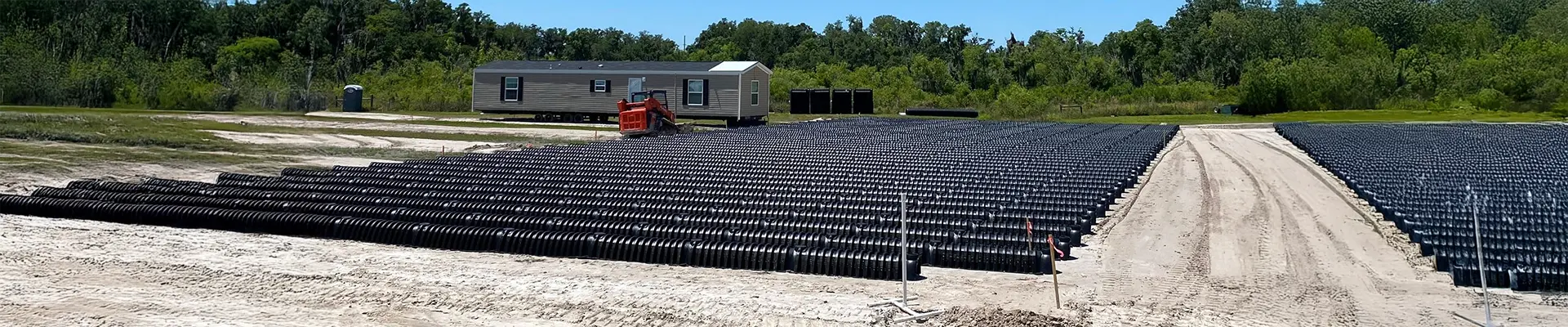
The good news is that not all drain field problems require complete replacement. Sometimes strategic repairs or partial restoration can extend the life of your system significantly. Techniques like soil fracturing can break up compacted earth and restore percolation rates. Targeted pipe replacement can address localized failures without disturbing the entire field. Even in cases where replacement is necessary, modern designs and materials can provide superior performance compared to older systems, especially when they're engineered specifically for Lakeland's soil conditions and water table fluctuations. The key is getting expert assessment before minor issues escalate into complete system failure.
Find Us in the Lakeland Area
We proudly serve the entire Lakeland area, from established neighborhoods near Munn Park to growing communities around Grasslands and beyond. Use the map below to see exactly where we're located and how we can help with your septic system needs throughout Polk County.
What Lakeland Homeowners Ask Before Scheduling Service
How do I know when my septic tank actually needs pumping instead of just following an arbitrary schedule?
The most reliable indicator is measuring the scum and sludge layers inside your tank relative to the outlet pipe. When the bottom of the scum layer gets within six inches of the outlet, or when the top of the sludge layer reaches within twelve inches, pumping becomes necessary regardless of how much time has passed since the last service. We measure these levels during inspections and provide specific recommendations based on what we find, not generic timelines. Factors like garbage disposal use, water softener discharge, and household size all affect accumulation rates, which is why personalized assessment matters more than following a one-size-fits-all schedule.
Can heavy rain really damage my septic system or is that just something companies say to sell services?
Lakeland's summer storms absolutely impact septic system performance, especially for properties in lower-lying areas near lakes or in neighborhoods with poor drainage. When drain fields become saturated with rainwater, there's literally nowhere for septic effluent to go—the soil is already full. This can cause backups, force untreated wastewater to the surface, and in severe cases, allow sewage to enter your home through the lowest drains. The risk isn't theoretical; we respond to drain field repairs after heavy rain throughout the region every summer. Proper system design with adequate drainage and conservative water use during heavy rain periods can prevent most weather-related problems.
What's the real difference between residential and commercial septic service beyond just the price?
Commercial systems handle different waste streams, higher volumes, and operate under stricter regulatory oversight than residential installations. A restaurant's grease trap requires specific maintenance protocols that don't apply to homes. Medical facilities generate waste that must be handled according to health department regulations. Retail properties with public restrooms face usage patterns that residential systems never encounter. Commercial septic services require technicians who understand these distinctions, carry appropriate certifications, and can document compliance for inspections. The equipment, techniques, and scheduling all differ significantly from residential work because the stakes and requirements are fundamentally different.
Building Long-Term Reliability Into Your Property's Infrastructure
Septic systems represent a significant investment in your property's functionality and value, but they're often the most overlooked aspect of home maintenance. Unlike visible components that get attention when they show wear, septic infrastructure operates out of sight until something goes catastrophically wrong. At Atomic Septic Tank Services, we've built our reputation on helping Lakeland property owners avoid those catastrophes through education, honest assessments, and services timed to prevent problems rather than just react to them. From routine Lakeland septic tank pumping to complex drain field restoration, we approach every project with the understanding that your system needs to work reliably for decades, not just until the next service call.
The investment you make in proper maintenance today prevents the much larger expenses that come with emergency repairs, regulatory violations, and premature system replacement. More importantly, it provides the peace of mind that comes from knowing your home's most essential infrastructure is functioning safely and efficiently. Whether you're managing a historic home near Downtown Lakeland or overseeing new construction in developing areas, the principles remain the same: regular attention, expert service, and proactive planning protect both your property and your budget over the long term.
Don't wait for warning signs to become emergencies. Get a quote or call 863-393-3127 to speak with our team at Atomic Septic Tank Services about creating a maintenance plan tailored to your Lakeland property's specific needs.