
What to Do If Your Septic Tank in Lakeland Backs Up
Most homeowners think septic systems just work. Flush, drain, forget. But when that system fails — and in Lakeland, it will if you're not paying attention — you're not dealing with a minor inconvenience. You're dealing with raw sewage, health hazards, and property damage that can spiral fast. The soil here doesn't drain like it does up north. The rain doesn't quit when it's convenient. And if your tank's been ignored, it won't give you a warning before it gives out.
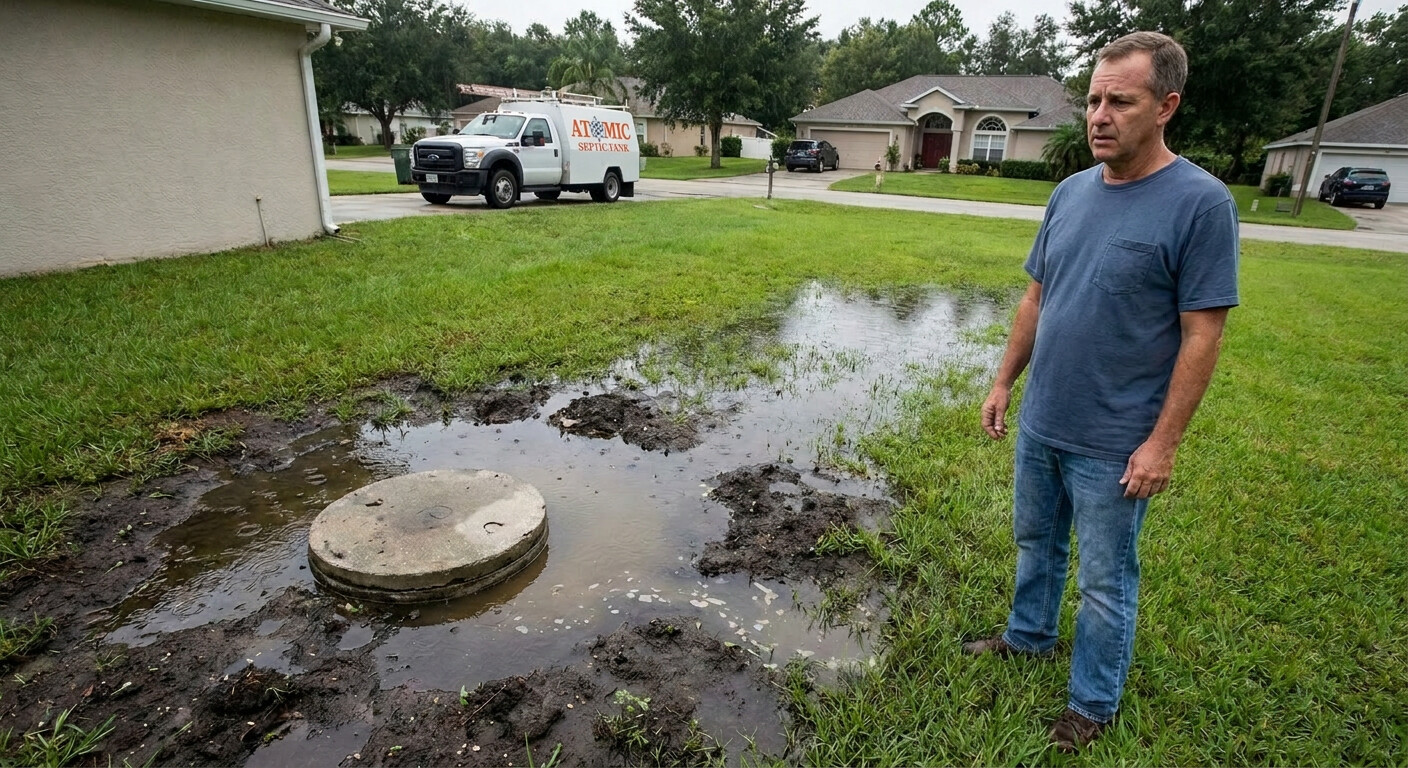
So here's what matters. When your septic backs up, every minute counts. Every decision you make either limits the damage or makes it worse. And every step you skip now means more money, more mess, and more risk down the line. We've seen too many Lakeland homeowners wait too long or try to fix it themselves. Don't be one of them.
The Warning Signs Don't Lie
Your septic system talks before it explodes. Slow drains aren't just annoying — they're a red flag. Gurgling pipes aren't quirky plumbing character. And that smell? That's not your neighbor's problem drifting over. These are all signs your system is struggling, and ignoring them won't make them go away.
Here's what we see most often before a full backup hits:
- Drains throughout the house moving slower than usual
- Toilets that won't flush properly or refill sluggishly
- Sewage odor inside the house or near the tank
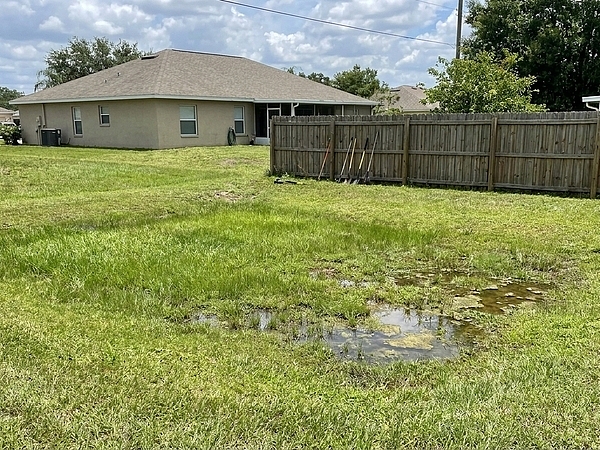
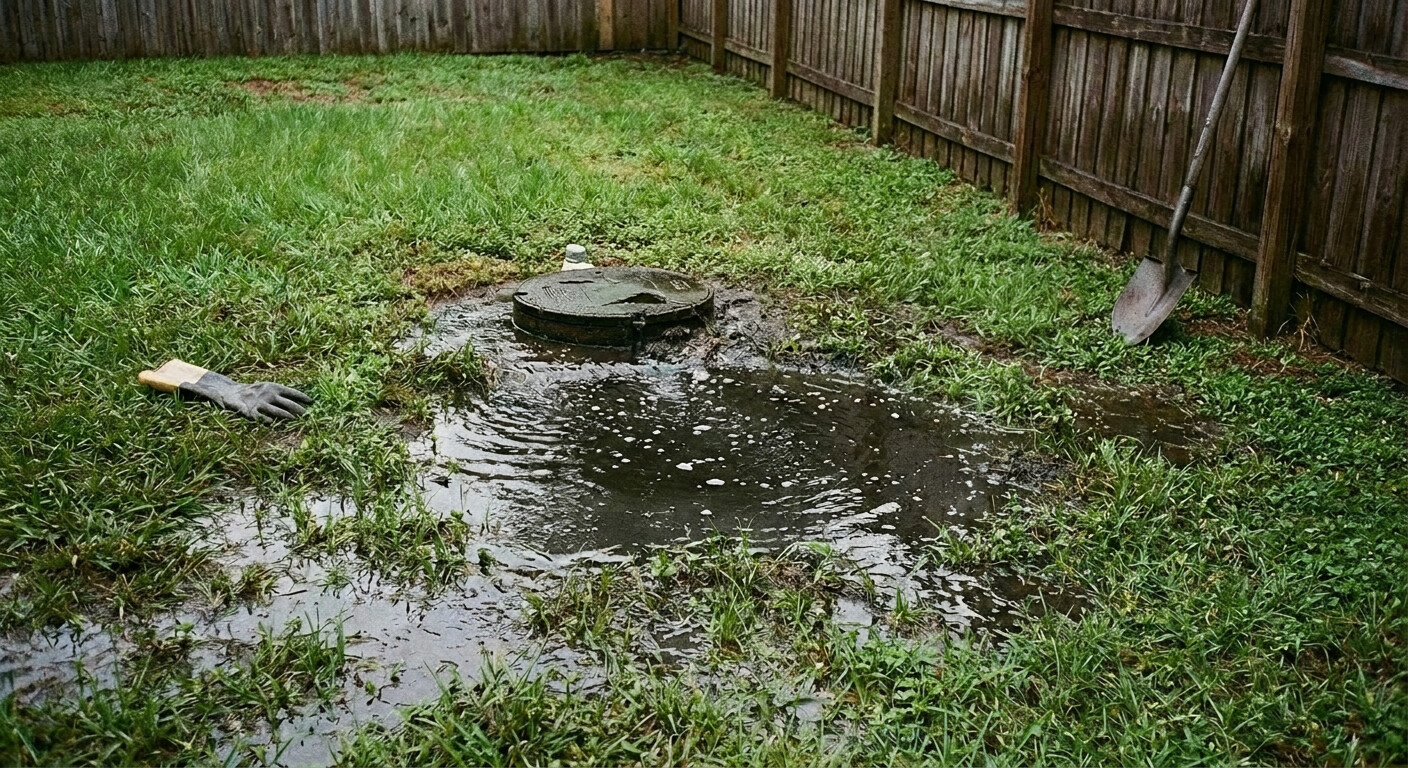
- Wet spots or standing water around the drain field
- Actual sewage surfacing in tubs, sinks, or basement drains
Catch these early, and you might avoid the worst. Miss them, and you're cleaning sewage out of your bathroom at midnight.
Cut the Water Off Now
The second you suspect a backup, stop using water. Not in five minutes. Not after you finish the dishes. Now. Every gallon you send down the drain is another gallon that has nowhere to go except back into your house. That means more sewage on your floors, more contamination, and more cleanup.
Turn off the washing machine mid-cycle if you have to. Don't flush. Don't run the shower. Don't assume one more sink full of water won't matter. It will. And it'll cost you more than the inconvenience of stopping.
Keep Everyone Away from the Mess
Sewage isn't just gross — it's dangerous. We're talking bacteria, viruses, parasites. The kind of stuff that sends people to the hospital. If sewage has surfaced in your home or yard, keep kids and pets far away from it. Don't let anyone walk through it, touch it, or try to clean it up without proper protection.
If the backup is inside your living space, evacuate that area until professionals can assess it. This isn't the time to be tough or thrifty. This is the time to protect your family's health.
Figure Out Where the Problem Lives
Not every backup means your septic tank is full. Sometimes it's a clog in your home's plumbing. Sometimes it's a single fixture acting up. The difference matters because the fix is different — and so is the cost.
Check whether the issue is isolated or widespread. If only one toilet or sink is backing up, you might have a localized blockage. If multiple drains are slow or overflowing, the problem is almost certainly in your septic system itself. Knowing this before you call someone saves time and helps the pros diagnose faster.
Bring in the Professionals Immediately
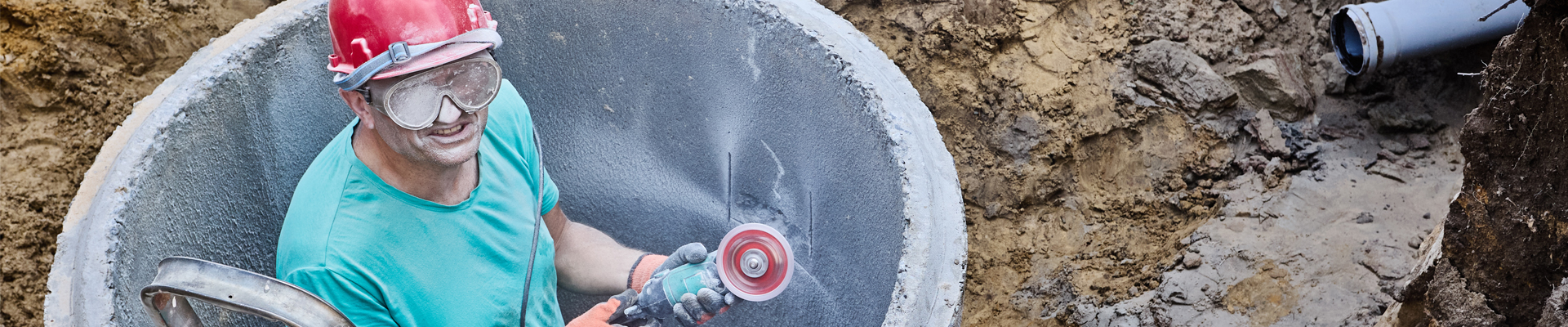
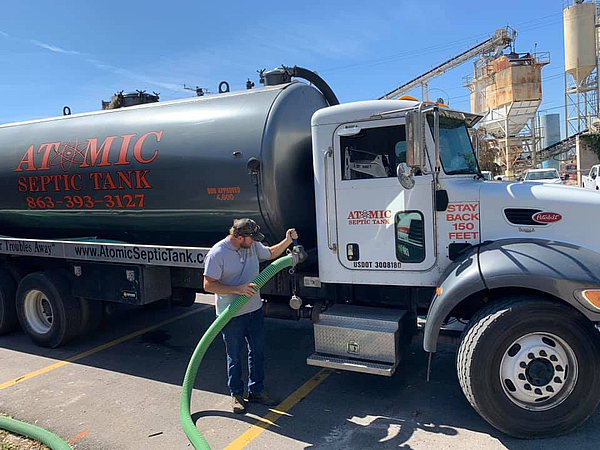
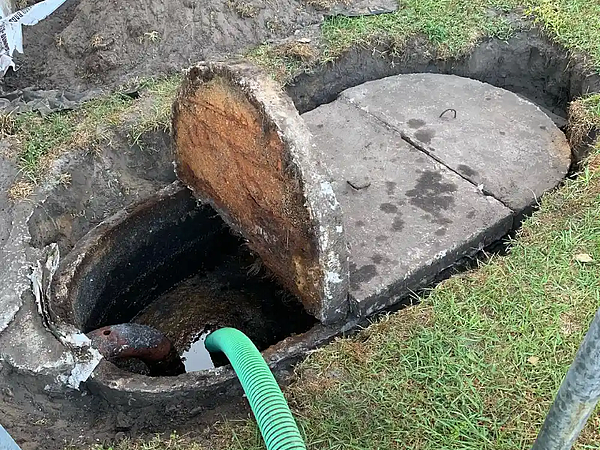
Septic backups aren't DIY territory. You need a licensed septic tank service in Lakeland, and you need them fast. These pros have the equipment to pump your tank, camera your lines, and figure out whether you're dealing with a full tank, a clogged pipe, or a failing drain field.
They'll also know how to handle the waste safely and legally. Lakeland has regulations about septic disposal, and dumping it yourself isn't just dangerous — it's illegal. Let the experts do what they're trained for, and you'll save yourself headaches, fines, and potential health risks.
Skip the Chemical Fixes
We get it. You want a quick fix. But pouring chemical drain cleaners down your pipes is one of the worst things you can do. Those chemicals can corrode your plumbing, and they kill the beneficial bacteria your septic tank needs to break down waste. Without that bacteria, your system stops working the way it's supposed to.
Chemical fixes might clear a clog temporarily, but they create bigger problems long-term. Stick with professional solutions that won't wreck your system in the process.
Capture the Damage on Record
If sewage has damaged your home, document everything before you start cleaning. Take photos of the affected areas, the standing water, any ruined belongings. This documentation is critical if you're filing an insurance claim.
Some homeowner's policies cover septic backups, but you'll need proof of what happened and when. Don't assume your insurer will take your word for it. Show them the damage, and you'll have a much better shot at getting covered.
Stop the Next Backup Before It Starts
Once your system is pumped and the crisis is handled, don't just go back to business as usual. Septic systems need maintenance, and Lakeland's conditions make that even more important. Heavy rains, sandy soil, and high water tables all put extra stress on your system.
Here's what keeps your septic running clean:
- Schedule regular septic tank pumping every three to five years
- Never flush anything that isn't waste or toilet paper
- Keep grease, chemicals, and harsh cleaners out of your drains
- Spread out water usage to avoid overloading the system
- Plant trees and shrubs away from your drain field to prevent root damage
These aren't suggestions. They're the difference between a system that lasts decades and one that fails every few years.
Rainwater Management Matters More Than You Think
Lakeland gets drenched. And when rainwater floods your drain field, your septic system can't do its job. The soil stays saturated, waste doesn't filter properly, and backups become inevitable.
Make sure your gutters, downspouts, and grading direct water away from your septic system. If your yard slopes toward your drain field, fix it. If water pools near your tank after a storm, that's a problem waiting to happen. Professional residential drainfield repair can address drainage issues before they cause system failure.
Your System Only Works If You Respect It
Septic systems aren't magic. They're engineered to handle waste under specific conditions, and when you push past those limits, they fail. Treating your septic like a garbage disposal or flushing things that don't belong guarantees you'll be dealing with backups, repairs, and replacements sooner than you should.
We've worked with enough Lakeland homeowners to know the ones who stay ahead of septic tank maintenance never deal with the disasters the others do. It's not luck. It's discipline. And it's a whole lot cheaper than emergency pumping and sewage cleanup at two in the morning. Regular septic filter cleaning is another critical step that prevents clogs and extends system life. If you need professional help, contact us for reliable service you can count on.
Let’s Keep Your Home Safe and Clean
We know how stressful a septic backup can be, but you don’t have to face it alone. Let’s work together to protect your home and your family’s health with fast, professional service you can trust. If you’re seeing the warning signs or just want peace of mind, call us at 863-393-3127 or get a quote today and let’s get your septic system back on track.
‹ Back
Recent Posts
-

Can Heavy Rain Overflow Your Septic Tank in Lakeland?
September 11, 2026
-

Is Your Septic System in Lakeland Ready for Property Expansion?
August 28, 2026
-
Does Your Business in Lakeland Need a Lift Station Inspection?
August 14, 2026
-
-