

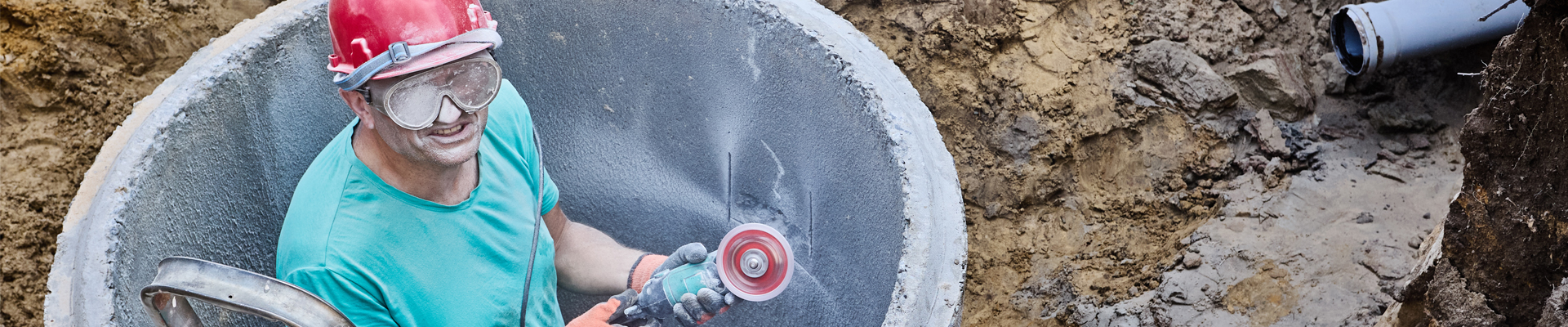
Should You Repair or Replace Your Lakeland Drain Field?
Most Lakeland homeowners think septic systems are a set-it-and-forget-it deal. You pump the tank every few years, maybe watch what goes down the drain, and call it good. But the drain field? That's where the real work happens — and where most people get caught off guard. When your leach field starts showing signs of trouble, you're staring down a decision that could cost thousands or tens of thousands. Patch it up and hope for the best, or tear it out and start fresh?
There's no one-size-fits-all answer here. Every system is different. Every failure has a root cause. And every dollar you spend should be grounded in whether you're buying time or buying peace of mind. We've worked with enough property owners to know that waiting too long costs more than acting too early ever will.
What Actually Happens Below the Surface
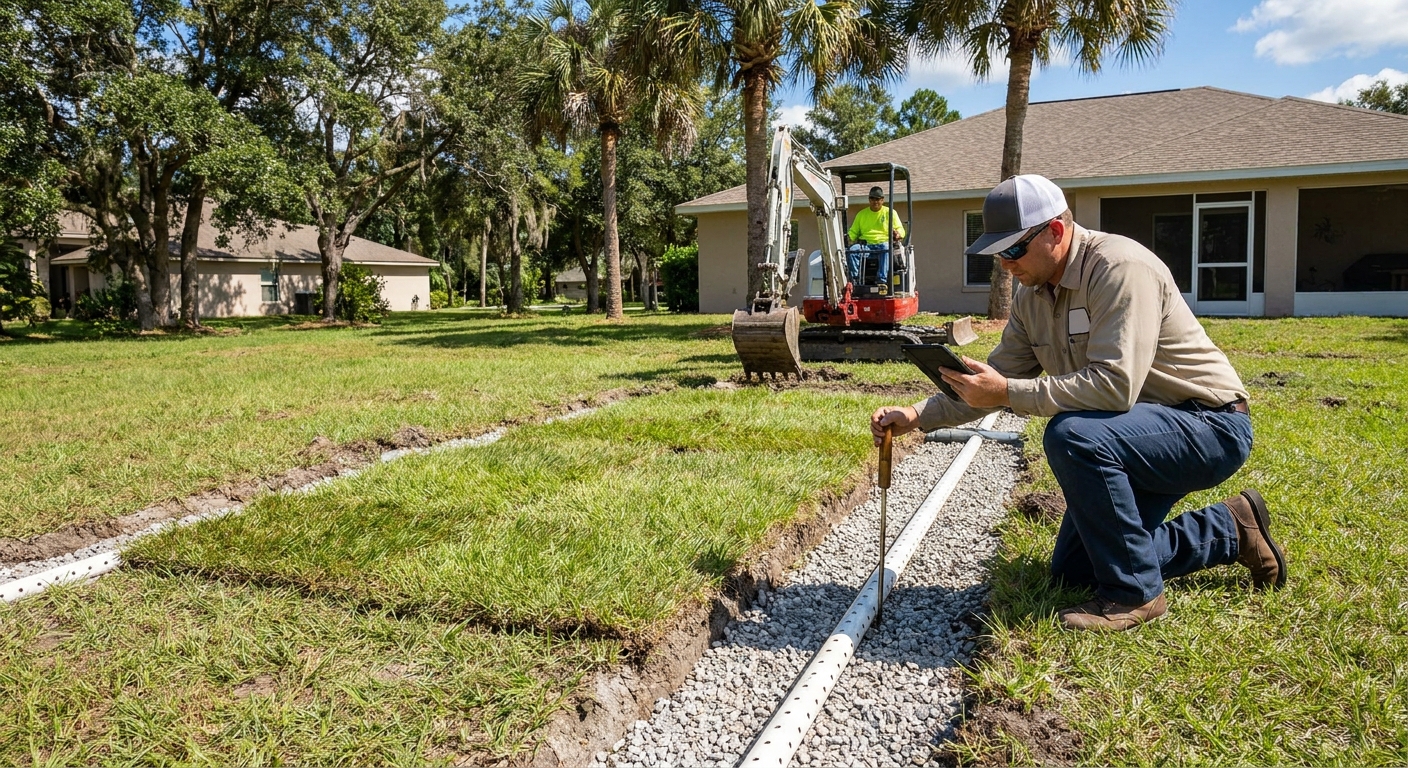
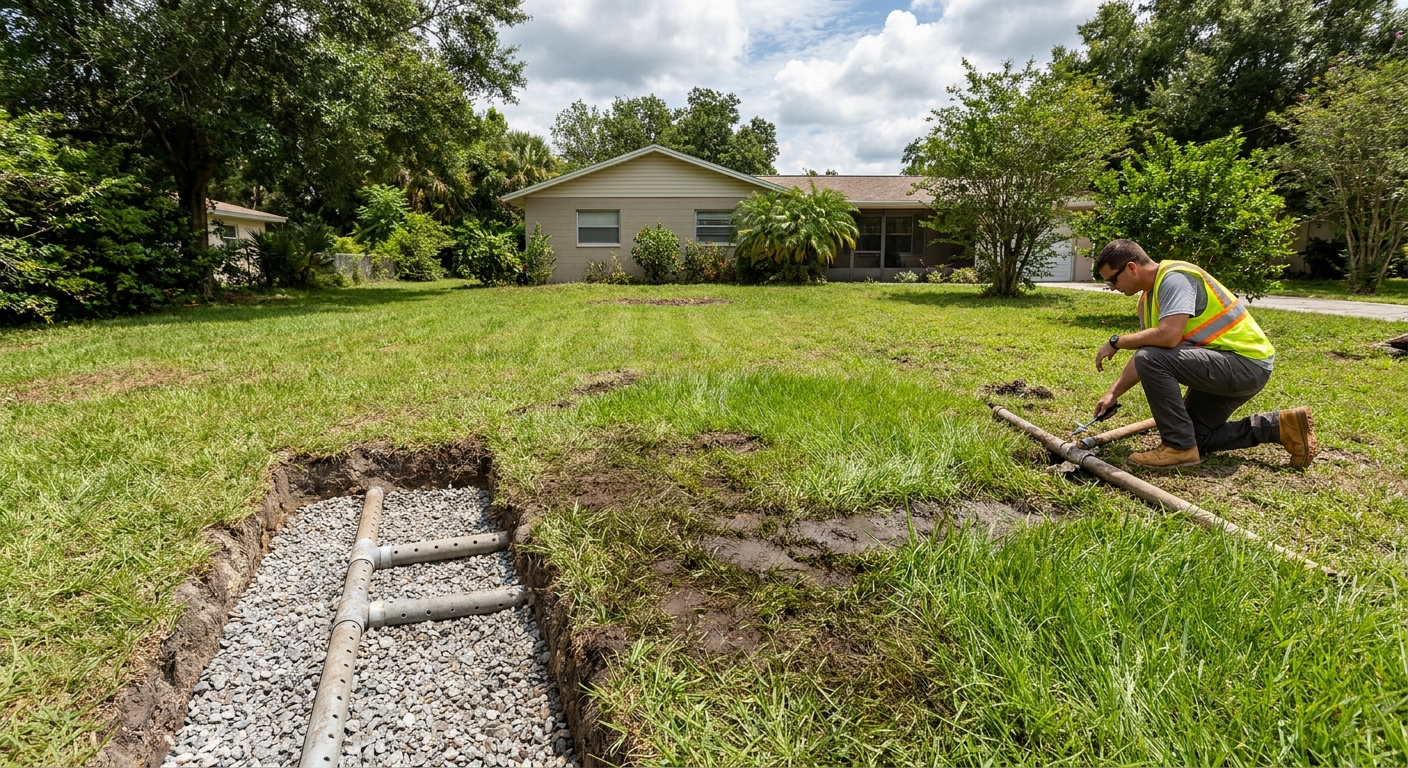
Your drain field isn't glamorous, but it's essential. It's a network of perforated pipes buried in gravel-filled trenches, designed to disperse treated wastewater into the soil. Microbes in the soil do the heavy lifting, breaking down contaminants before the water reaches the groundwater. When everything's working, it's invisible. When it's not, it's impossible to ignore.
Problems develop slowly at first. Soil compaction, biomat buildup, root intrusion, or just plain age — any of these can compromise the field's ability to absorb and treat effluent. And once the system starts failing, the damage tends to accelerate. What might have been fixable six months ago could require a full replacement today.
Red Flags You Shouldn't Ignore
Drain field failure doesn't announce itself with a single catastrophic event. It creeps up through a series of warning signs that most people brush off until it's too late. We see this pattern over and over: slow drains get blamed on old pipes, soggy spots get blamed on summer rain, and by the time sewage backs up into the house, the damage is done.
Here's what to watch for:
- Drains throughout the house moving slower than usual, especially after heavy water use
- Sewage odors lingering in the yard or near the tank area, even on dry days
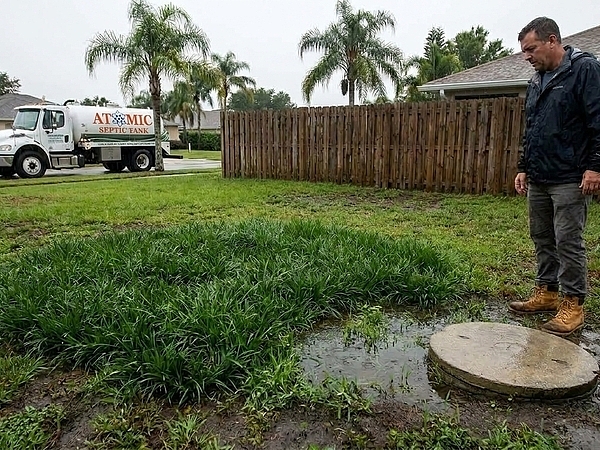
- Standing water or saturated soil over the drain field when it hasn't rained
- Grass growing unusually thick and green above the leach lines, fed by excess nutrients
- Backups in toilets, showers, or sinks that don't clear with normal fixes
When a Fix Might Be Enough
Not every drain field problem demands a full teardown. If the issue is isolated — a clogged distribution box, a broken lateral line, or tree roots invading a single section — targeted repairs can restore function without the cost or disruption of replacement. We've seen systems brought back to life with soil fracturing, which reintroduces air into compacted soil, or biomat treatments that break down organic buildup.
The catch? Repairs only work if the underlying structure is still sound. If the soil has failed, if the entire field is saturated, or if the system has been neglected for years, patching one section won't fix the bigger problem. And if you're repairing the same area repeatedly, you're throwing money at a system that's already past its prime.
When Replacement Becomes Inevitable
Some failures can't be fixed. If your drain field is over twenty years old, if the soil can no longer absorb effluent, or if the entire leach bed is clogged with solids, replacement is the only real option. This isn't about finding the cheapest path forward. It's about ensuring your system can actually handle the wastewater your household produces without contaminating your property or your neighbors' wells.
Here's when replacement makes sense:
- The drain field has reached or exceeded its expected lifespan of 20 to 30 years
- Saturation and failure have spread across the entire leach bed, not just isolated sections
- The soil itself has failed and can no longer treat wastewater effectively
- You've already repaired the system multiple times and problems keep coming back
- Local regulations or environmental concerns require a system upgrade
What Drives the Decision
Choosing between repair and replacement isn't just about the severity of the failure. It's about weighing cost against longevity, understanding what your property can accommodate, and knowing what kind of risk you're willing to carry. A cheap repair might buy you a few more years, or it might fail within months. A full replacement is a major investment, but it's also a system that should last decades if maintained properly.
Consider these factors:
- Upfront cost of repair versus long-term reliability of replacement
- Extent of damage and whether the problem is localized or systemic
- Age of the existing system and how much life it realistically has left
- Available space on your property for a new drain field if relocation is necessary
- Risk of groundwater contamination if the system continues to fail
Getting Expert Eyes on the Problem
Guessing what's wrong with your drain field is a gamble you can't afford to take. A licensed septic professional can assess the system, run soil tests, check the distribution network, and tell you whether a repair will actually solve the problem or just delay the inevitable. They'll also know local codes and permit requirements, which can vary widely depending on where you're located in Lakeland. Residential drainfield repair and installation requires professional assessment to determine the most cost-effective solution, while commercial drainfield repair and installation often involves more complex regulatory requirements and system sizing considerations.
We've seen too many homeowners try to DIY their way out of a failing drain field, only to end up spending more in the long run. If you're dealing with standing water, persistent backups, or a system that's been in the ground for decades, get it evaluated before you commit to any solution. The right call depends on facts, not hope.
Prevention Keeps Systems Running Longer
The best repair is the one you never need. Regular septic tank pumping, mindful water usage, and keeping harsh chemicals and grease out of the system can extend the life of your drain field by years. Avoid parking or driving heavy equipment over the leach lines, and keep trees and shrubs at a safe distance to prevent root intrusion.
Here's what helps:
- Pumping the septic tank every three to five years, depending on household size
- Spreading out laundry and dishwasher loads to avoid overwhelming the system
- Using septic-safe products and avoiding excessive detergent or bleach
- Keeping detailed maintenance records to track system performance over time
- Addressing minor issues early before they escalate into major failures
The Real Cost of Waiting
Delaying action on a failing drain field doesn't just risk inconvenience. It risks contamination, health hazards, and legal liability if your system affects neighboring properties or groundwater. We've worked with homeowners who waited until sewage was surfacing in the yard, and by that point, the damage was severe enough that repair wasn't even an option. Replacement was the only way forward, and it cost more than it would have if they'd acted sooner. Regular septic tank service and maintenance can help catch problems early before they require expensive drain field replacement, and proper septic filter cleaning prevents solids from reaching and clogging your drain field lines.
Your drain field is infrastructure, not decoration. When it starts showing signs of failure, the smart move is to assess the situation quickly and act decisively. Whether that means a targeted repair or a full replacement depends on the condition of the system, but either way, the worst thing you can do is nothing.
Making the Call That Protects Your Property
Repairing or replacing your Lakeland drain field isn't a decision you make lightly. It's a choice that affects your home's functionality, your property value, and your peace of mind. But with the right information and professional guidance, you can make the move that keeps your system running strong — without bleeding your budget dry or gambling on a fix that won't last. The drain field works when you can't see it. Make sure it stays that way.
Let’s Solve Your Drain Field Problem Together
We know how stressful it can be when your drain field starts acting up, but you don’t have to face it alone. Let’s take the guesswork out of your next step and protect your property for years to come. Give us a call at 863-393-3127 to talk with our team, or get a quote and we’ll help you find the right solution for your home.
‹ Back
Recent Posts
-
Should You Repair or Replace Your Lakeland Drain Field?
October 9, 2026
-
When Should You Schedule Septic Tank Pumping in Lakeland?
September 25, 2026
-

Can Heavy Rain Overflow Your Septic Tank in Lakeland?
September 11, 2026
-

Is Your Septic System in Lakeland Ready for Property Expansion?
August 28, 2026
-
Does Your Business in Lakeland Need a Lift Station Inspection?
August 14, 2026