
When Should You Schedule Septic Tank Pumping in Lakeland?
Most homeowners think septic tanks are out of sight, out of mind. Flush and forget. But your system sees every gallon you run through it—and if you're not paying attention, you're setting yourself up for a mess. Septic tanks don't send polite reminders. They overflow, back up, and flood your yard when you least expect it. Especially in Lakeland, where the water table runs high and the rain doesn't quit.
So here's the reality. If you're relying on a septic system to handle your wastewater, septic tank pumping isn't optional. It's not something you do when you remember. It's scheduled maintenance that keeps your property running clean and your drain field from turning into a swamp. Every tank fills up. Every system has a limit. And every delay costs more than the service you're avoiding.
How Your Tank Actually Functions
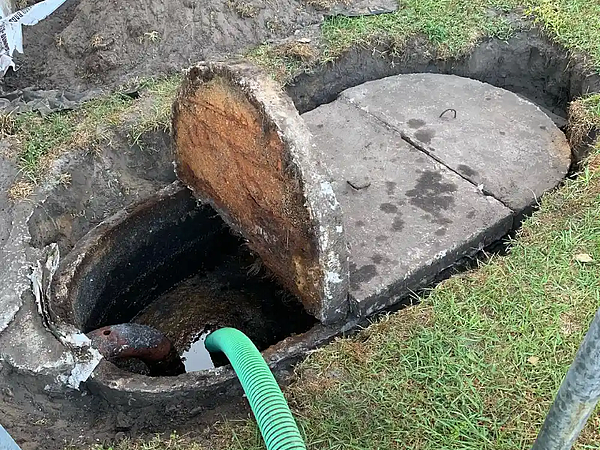
Your septic system isn't complicated, but it's not forgiving either. Everything that goes down your drains ends up in the tank. Solids drop to the bottom and form sludge. Grease and lighter waste float to the top as scum. The middle layer—mostly liquid—flows out into your drain field where the soil filters it. That's the system working right.
But as sludge builds and scum thickens, there's less room for liquid to separate. The tank fills faster. The effluent gets dirtier. And when the balance tips too far, the whole system clogs or backs up. That's not a repair you want to deal with on a weekend.
Pumping Intervals That Actually Matter
The standard advice is every three to five years. That's fine for a baseline, but it doesn't account for what's happening in your house. A family of five uses a septic system differently than a retired couple. A small tank fills faster than a large one. High water use accelerates everything.
Here's what really drives your pumping schedule:
- How many people live there: More occupants mean more wastewater, more solids, and a faster fill rate.
- Tank capacity: A 1,000-gallon tank needs attention sooner than a 1,500-gallon one under the same conditions.
- Daily water consumption: Long showers, frequent laundry, and running the dishwasher all add up.
- Garbage disposal habits: Food waste doesn't break down easily and clogs the system faster than you think.
- Age and maintenance history: Older systems or those with past issues need closer monitoring.
Warning Signs You're Already Behind
Schedules are great until your system decides to remind you itself. If you're seeing any of these red flags, you've already waited too long. Don't brush them off as minor quirks—they're not.
- Drains moving like molasses: Slow sinks, tubs, or toilets mean your tank is full or something's blocking the line.
- Smells that don't belong: Sewage odors near drains, around the tank, or in the yard are never normal.
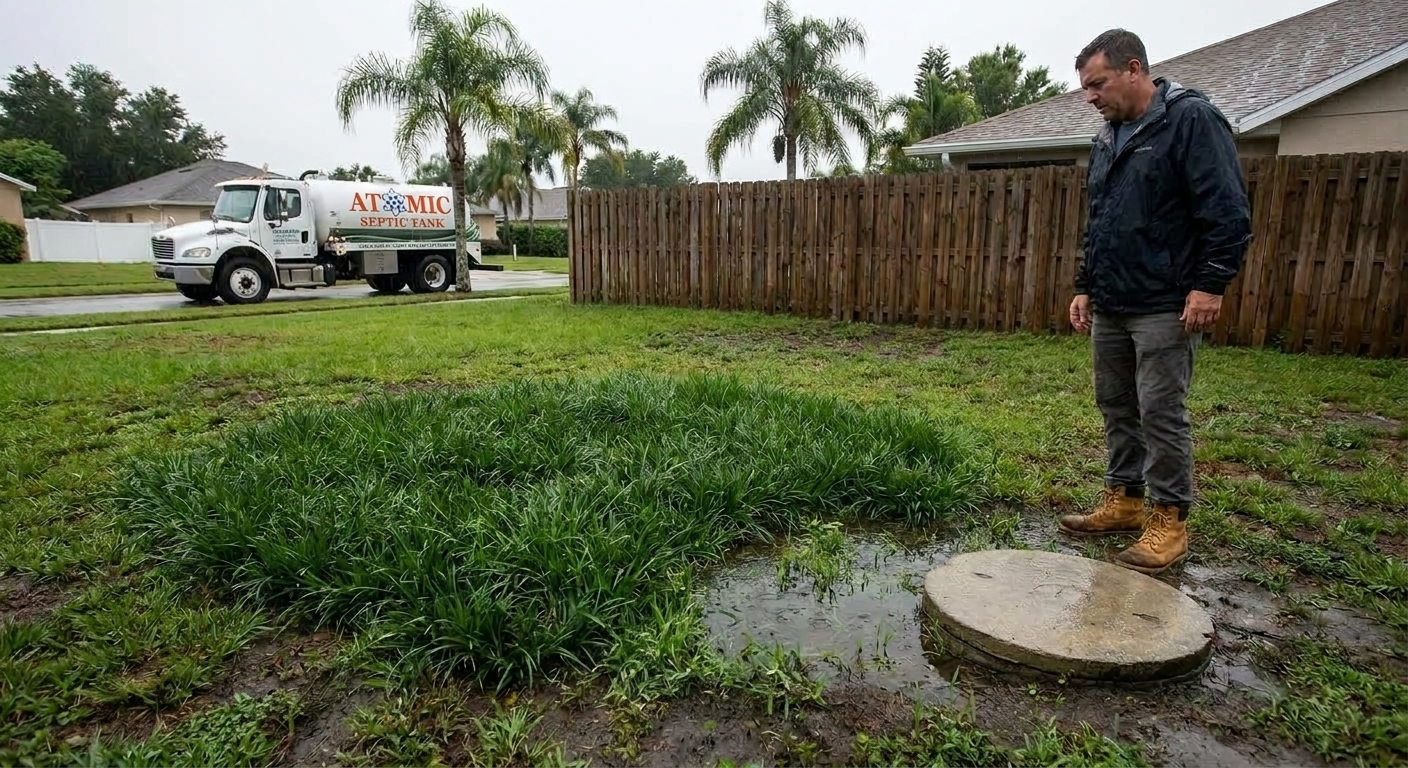
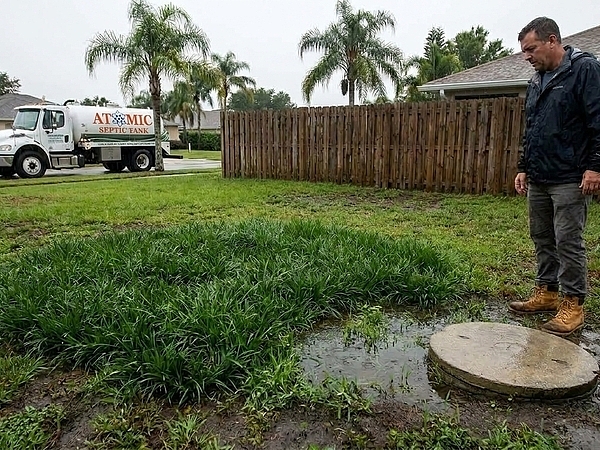
- Standing water where it shouldn't be: Soggy patches or pooling near your drain field signal an overflow or leak.
- Sewage coming back inside: This is the worst-case scenario and means your tank is completely overwhelmed.
- Grass growing too green over the system: If one section of your lawn is thriving while the rest struggles, it's getting fertilized by leaking wastewater.
Lakeland's Climate Adds Extra Pressure
Lakeland isn't a forgiving place for septic systems. The water table sits high, and summer storms dump inches of rain in hours. That saturates the drain field and makes it harder for your system to process effluent. When the ground is already waterlogged, there's nowhere for the liquid to go.
Regular pumping keeps your tank from topping off during heavy rains. It also protects Florida's groundwater and local lakes from contamination. The state doesn't mess around with septic violations—neglect can lead to fines, mandated repairs, or even replacement. And none of that is cheap.
What Happens When You Call a Pro
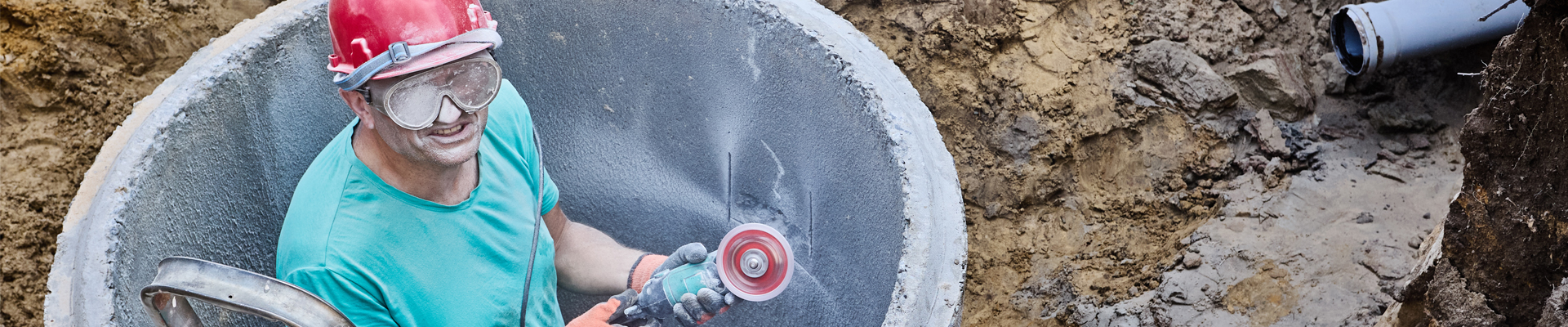
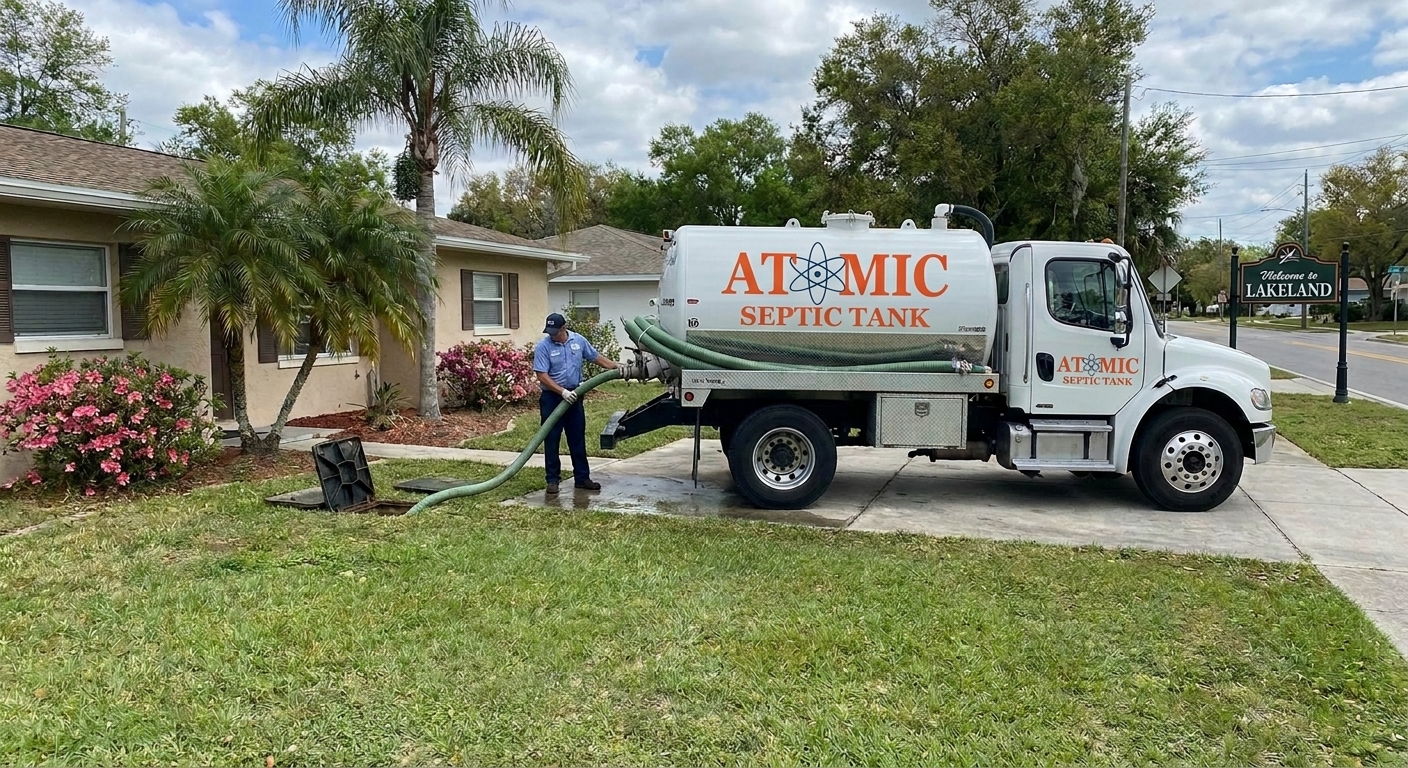
Scheduling septic tank service isn't complicated. You call a licensed service provider, they show up with a truck, and they pump out the sludge and scum. Most also inspect the tank while they're there—checking for cracks, leaks, or signs of damage.
A good septic company will measure the solids, tell you how full the tank was, and recommend a realistic pumping interval based on your household. Some offer maintenance plans that send automatic reminders so you don't have to track it yourself. That's worth considering if you've ever forgotten an oil change.
Track It Before It Tracks You
Waiting until something goes wrong is the expensive route. Pumping a septic tank costs a few hundred bucks. Repairing a failed drain field or replacing a cracked tank? That's thousands. Plus downtime, permits, excavation, and the nightmare of not being able to use your plumbing.
You don't need a reminder from your yard or your neighbors to know it's time. Set a schedule, stick to it, and treat your septic system like the critical infrastructure it is. Because in Lakeland, the rain will test your system whether you're ready or not.
Maintenance Plans Keep You Ahead
If you're managing a rental property, running a small business, or just don't want to think about septic schedules, sign up for a maintenance plan. Most local providers offer annual or biannual service agreements that include pumping, inspections, and priority scheduling.
Here's what a solid plan typically covers:
- Scheduled pumping visits: No guessing, no calendar reminders—it's handled.
- System inspections: Catch cracks, leaks, or blockages before they escalate.
- Records and reporting: Useful if you're selling the property or dealing with local regulations.
- Priority service: If something does go wrong, you're first in line.
When DIY Stops Making Sense
Some homeowners think they can stretch the interval or skip a pumping cycle. Maybe the tank looks fine. Maybe nothing's backing up yet. But "fine" doesn't mean empty, and by the time you notice a problem, the damage is already happening.
Septic systems don't give second chances. They overflow. They leak. They contaminate soil and water. And once that happens, you're not just paying for pumping—you're paying for cleanup, remediation, and possibly a new system. Professional residential drainfield repair or commercial drainfield installation can run into the thousands. The math isn't complicated. Regular pumping is the cheapest insurance you'll ever buy.
Your System Runs on Attention
Taking on septic ownership isn't just about having a place for wastewater to go. It's about understanding the system, respecting its limits, and staying ahead of the maintenance curve. Whether you need septic filter cleaning or comprehensive septic tank services, there's no excuse for letting a tank overflow when the fix is a phone call and a scheduled visit. But there's also no forgiveness when you ignore the warning signs and end up with a flooded yard or a failed inspection. Stay proactive, keep records, and treat your septic system like the critical piece of infrastructure it is—because in Lakeland, the weather won't wait for you to catch up.
Let’s Keep Your Septic System Trouble-Free
We know how important it is to stay ahead of septic issues before they turn into costly headaches. If you’re ready to protect your home and avoid the stress of unexpected backups, let’s get your next pumping on the calendar. Call us at 863-393-3127 or get a quote today and we’ll help you keep things running smoothly year-round.
‹ Back
Recent Posts
-
When Should You Schedule Septic Tank Pumping in Lakeland?
September 25, 2026
-

Can Heavy Rain Overflow Your Septic Tank in Lakeland?
September 11, 2026
-

Is Your Septic System in Lakeland Ready for Property Expansion?
August 28, 2026
-
Does Your Business in Lakeland Need a Lift Station Inspection?
August 14, 2026
-