

Can a Power Outage Affect Your Lakeland Lift Station?
Lift stations don't ask for much. Power, routine attention, and a functional pump system. But when the lights go out in Lakeland, those pumps stop moving sewage. Basins start filling. And if the outage stretches long enough, you're not just dealing with inconvenience—you're looking at backups, overflows, and contamination that spreads faster than most property owners expect.
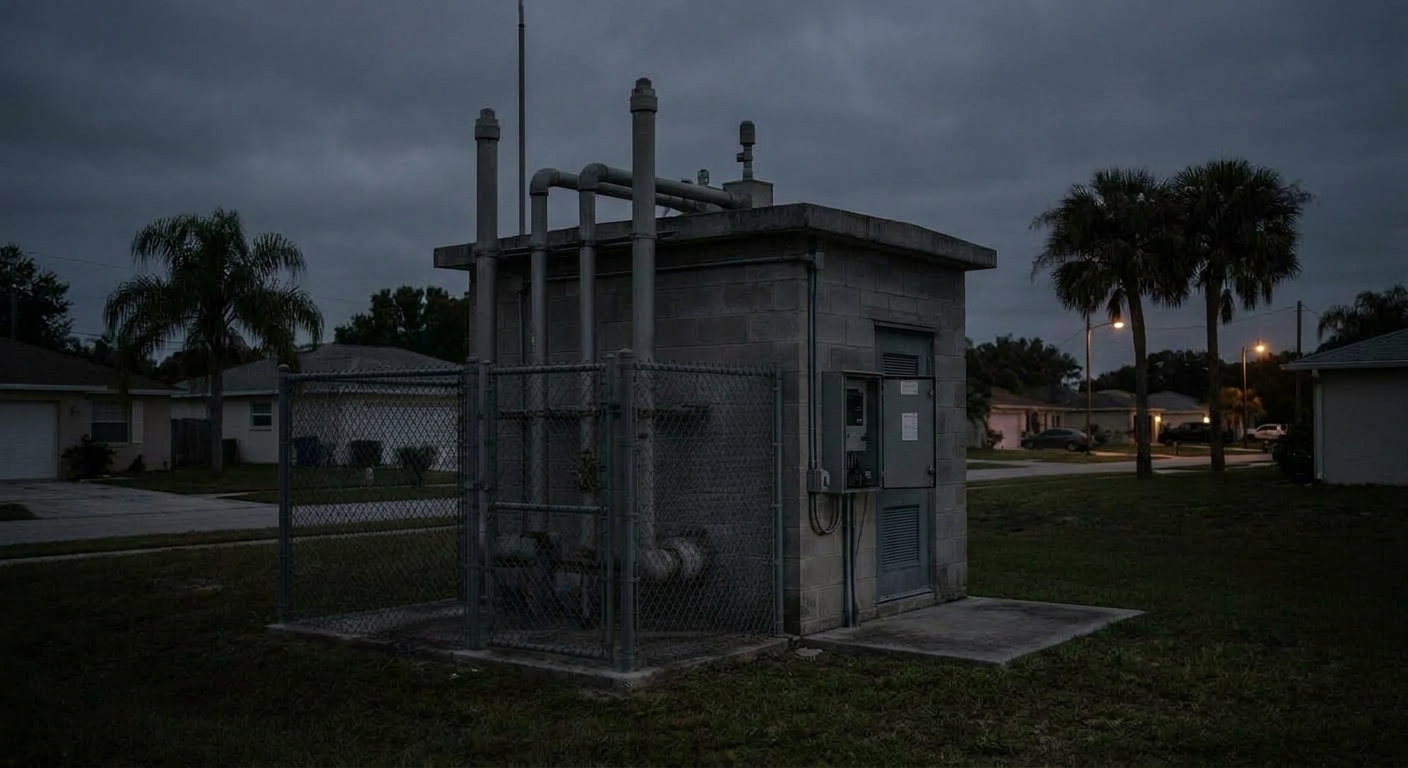
So here's what matters. If your property relies on a commercial lift station—or you're part of a municipal system that does—you need to know what happens when electricity cuts out. Because the consequences don't wait for the power company to restore service. And the damage? That starts the moment the pumps go quiet.
Why Lift Stations Matter in Flat, Storm-Prone Areas
Lakeland's geography doesn't do gravity any favors. Wastewater needs mechanical help to move from low-lying zones to treatment facilities. That's where lift stations come in. They use pumps, valves, and control systems to push sewage uphill when natural flow isn't an option. Without them, homes and businesses in flood-prone or low-elevation areas would face chronic backups.
These systems run on electricity. When that power supply is steady, everything works invisibly. But when a storm rolls through or the grid fails, the entire operation grinds to a halt. No power means no pumping. And no pumping means trouble.
What Happens When the Pumps Go Silent
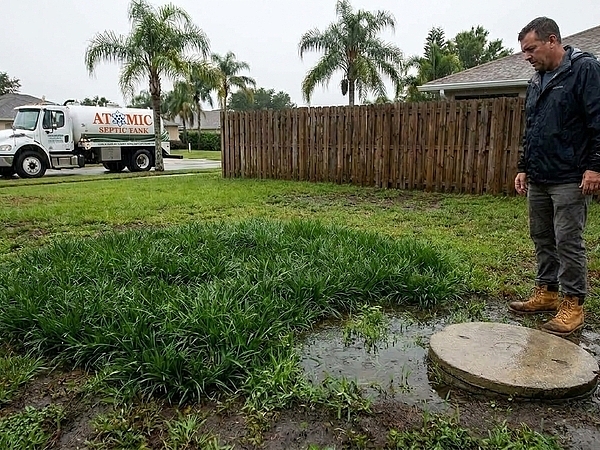
Once the electricity cuts out, wastewater stops moving. It accumulates in the collection basin, and if the outage lasts long enough, that basin overflows. The longer the power stays off, the worse the situation becomes.
Here's what that looks like in real terms:
- Sewage backs up into properties: Homes, businesses, and streets can flood with untreated wastewater, creating health hazards and property damage.
- Environmental contamination spreads: Overflows can dump raw sewage into nearby waterways, harming wildlife and polluting ecosystems.
- Odors become unbearable: Stagnant wastewater produces foul smells that linger across neighborhoods.
- Equipment takes a beating: Sudden shutdowns, overflows, and improper restarts can damage pumps and electrical components, leading to expensive repairs.
Backup Generators Keep the System Running
The most reliable defense against outage-related failures is a backup power source. Generators can keep lift station pumps operational even when the main grid goes down. Many newer systems come equipped with automatic transfer switches that detect power loss and switch to generator mode immediately—no manual intervention required.
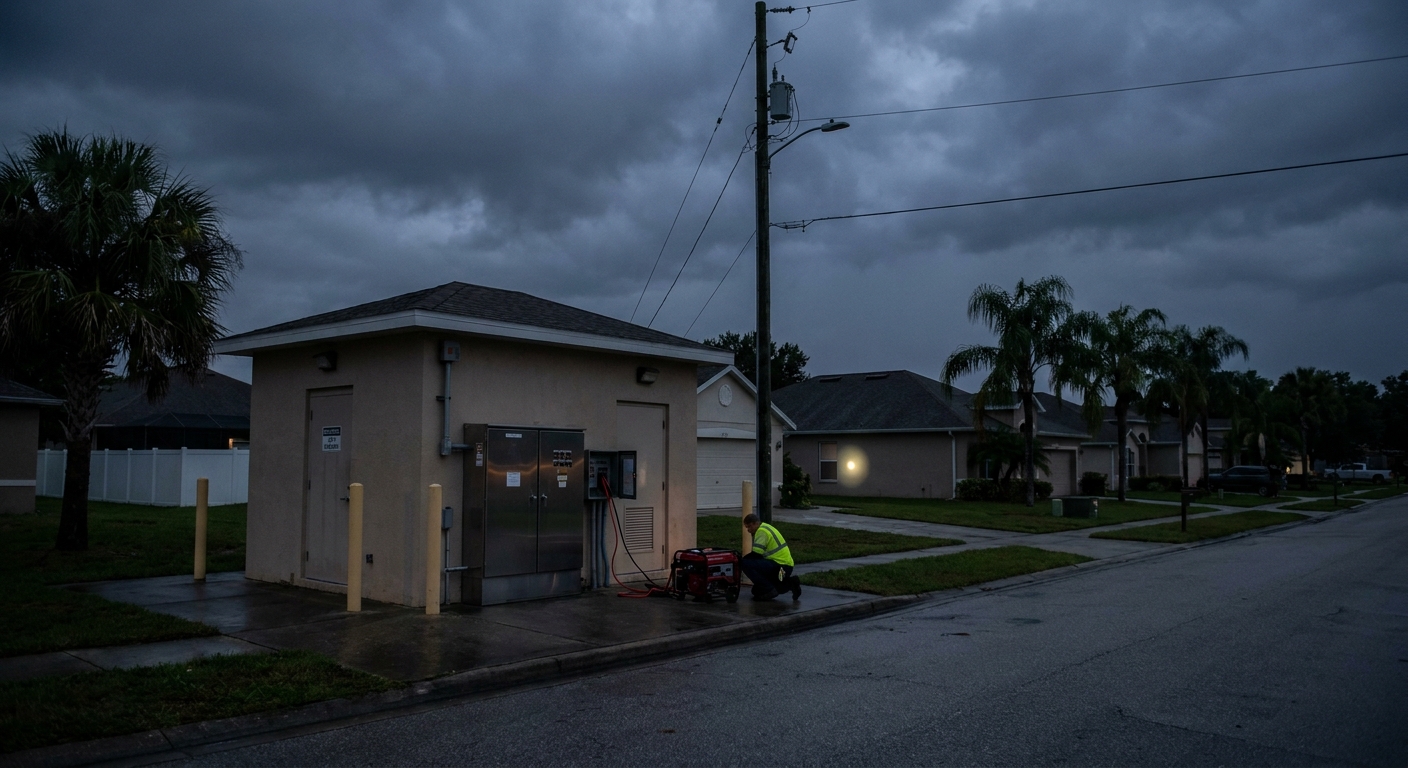
Older or smaller lift stations may need portable generators, but those require someone on-site to set them up and monitor fuel levels. During widespread outages or severe weather, that's not always feasible. A permanent backup system eliminates guesswork and ensures continuous operation when it matters most.
Maintenance and Monitoring Prevent Surprises
Regular inspections keep lift stations in fighting shape. That means checking pumps, cleaning basins, testing alarms, and making sure backup power systems actually work. Professional septic tank service and maintenance protocols can alert operators to rising water levels or equipment malfunctions before they turn into full-blown emergencies.
Without this kind of oversight, small problems snowball during an outage. A clogged pump or a faulty float switch might not seem urgent on a normal day—but when the power's out and the basin is filling, those issues become critical fast.
What Property Owners Need to Do
If you own a private lift station in Lakeland, you need to know its vulnerabilities. Don't wait until an outage to find out whether your backup power system works—or whether you even have one. Bring in a qualified technician to assess your setup and install a generator if needed.
You'll also want a clear maintenance schedule and emergency contacts lined up. When things go wrong, you need someone who can respond quickly, not someone who's booked out for the next two weeks.
Public System Users Should Stay Alert
Connected to a municipal lift station? You're not off the hook. Know what local emergency protocols look like and report any signs of sewage backups or strange odors immediately. During widespread outages, municipal crews are stretched thin, and early warnings help them prioritize responses.
Community awareness matters. If everyone assumes someone else will handle it, problems escalate before anyone takes action.
Preparation Beats Reaction Every Time
Power outages in Lakeland aren't rare. Thunderstorms, hurricanes, and grid failures happen. The question isn't whether your lift station will lose power—it's whether your system is ready when it does.
Backup generators, routine maintenance, and monitoring systems aren't luxuries. They're the baseline for keeping wastewater moving and protecting property, health, and the environment. The time to prepare is now, not after the power's been out for six hours and the basin's overflowing.
Documentation and Response Plans Matter
When an overflow or backup happens, you'll need records. That means keeping maintenance logs, inspection reports, and proof of equipment upgrades. If insurance or regulatory agencies get involved, documentation determines whether you're covered or whether you're facing penalties.
Here's what you should have on file:
- Maintenance records showing regular servicing and inspections
- Proof of backup power installation and testing
- Emergency response plans with contact information for technicians
- Photos and receipts for any repairs or upgrades
Common Mistakes That Make Outages Worse
Waiting until the power comes back to assess damage is a mistake. By then, overflow may have already occurred, and contamination spreads quickly. Ignoring warning signs—like unusual odors or slow drainage—before an outage can turn a minor issue into a major crisis once the pumps stop.
Another common error is assuming municipal systems will handle everything. If you're connected to a public lift station, you still need to report problems and follow local guidelines. Relying on "someone else" to notice and fix issues leaves you vulnerable when outages hit multiple areas at once.
How Storms Complicate the Situation
Lakeland's weather patterns make outages more likely during peak demand times. Heavy rainfall increases wastewater volume just as storms knock out power. That means lift stations face maximum load with zero electricity—the worst possible timing.
Storm preparation should include checking backup power systems, clearing debris from vents and access points, and confirming that emergency contacts are current. Once the storm hits, access to lift stations may be limited, so everything needs to be ready beforehand.
Long-Term Planning Saves Money and Headaches
Investing in backup power and monitoring systems costs money upfront, but it's cheaper than dealing with overflows, equipment failures, and environmental cleanup. Insurance claims, regulatory fines, and lost business during shutdowns add up fast. Prevention is always less expensive than recovery.
For municipal systems, budgeting for lift station upgrades and backup power should be a priority. For private property owners who also rely on septic tank pumping, factoring these costs into long-term maintenance plans ensures you're not caught off guard when an outage strikes.
The Real Cost of Cutting Corners
Skipping maintenance, ignoring backup power, or delaying repairs might save money in the short term. But when a power outage hits and your lift station fails, those savings disappear. You're left with contaminated property, damaged equipment, and a cleanup bill that dwarfs what proper preparation would have cost.
We've seen property owners scramble during outages because they didn't think it would happen to them. But in areas we serve like Winter Haven and Plant City, outages are part of the reality. The only question is whether your lift station is ready—or whether you're hoping luck holds out. And luck? That's not a strategy worth betting on.
Let’s Safeguard Your Lakeland Lift Station Together
We know how critical it is to keep your lift station running, no matter what the weather brings. Let’s work together to make sure your property is protected before the next outage hits. If you’re ready for peace of mind and expert support, call us at 863-393-3127 or get a quote today and let’s get your system prepared for anything Lakeland throws your way.
‹ Back
Recent Posts
-
Can a Power Outage Affect Your Lakeland Lift Station?
October 23, 2026
-

Should You Repair or Replace Your Lakeland Drain Field?
October 9, 2026
-
When Should You Schedule Septic Tank Pumping in Lakeland?
September 25, 2026
-

Can Heavy Rain Overflow Your Septic Tank in Lakeland?
September 11, 2026
-

Is Your Septic System in Lakeland Ready for Property Expansion?
August 28, 2026