

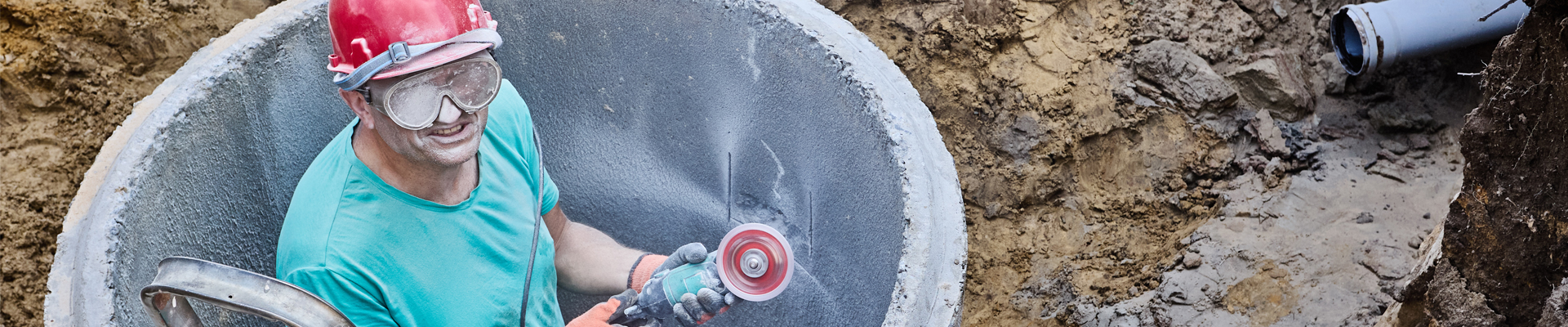
What Happens If You Skip Septic Tank Maintenance in Lakeland?
Most homeowners think septic systems just handle what goes down the drain. Flush, forget, move on. But those tanks are working every single day, and if we're not paying attention, they'll let us know in the worst possible way. Neglect doesn't just lead to inconvenience—it leads to backups, contamination, and repair bills that make your stomach drop. In Lakeland, where septic systems are the norm for thousands of properties, skipping maintenance isn't just risky. It's asking for disaster.
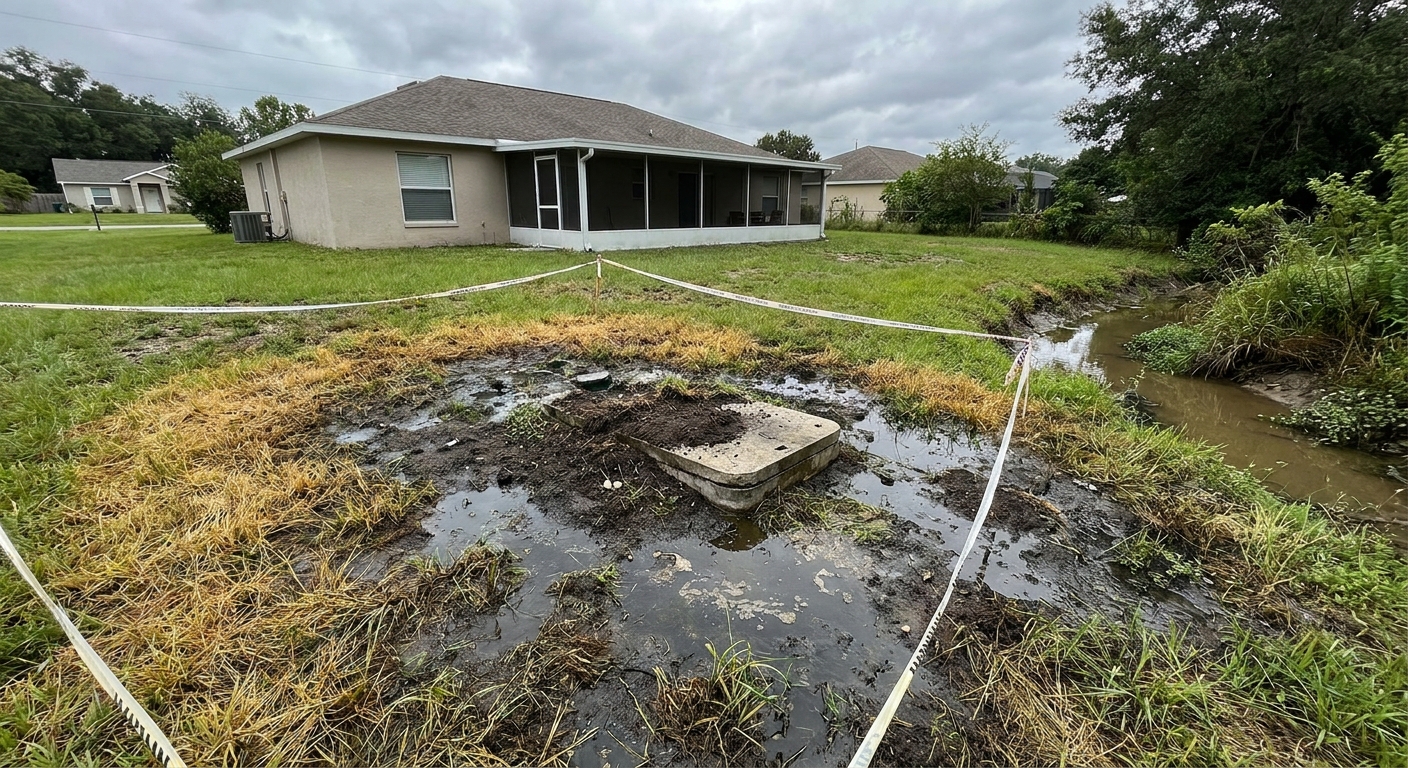
So here's what we know. Regular septic tank pumping and inspections keep systems running clean. Skip them, and the sludge builds up until there's nowhere left for wastewater to go. That's when the problems start—and they don't stay small for long. Every system has a breaking point. Every homeowner should know what happens when you cross it.
How a Septic System Actually Works
Your septic tank isn't magic—it's a holding chamber where solids separate from liquids. Heavy waste sinks to the bottom and forms sludge. Lighter stuff floats up as scum. The middle layer, the liquid effluent, flows out into the drain field where soil filters it naturally. That's the process, and it works great—until the tank fills up and nobody does anything about it.
Once the sludge layer gets too thick, the system can't function the way it's designed to. Solids start escaping into the drain field, clogging the soil and killing its ability to filter. That's when things go from manageable to expensive, fast.
The Early Warning Signs We Ignore
Before a septic system fails completely, it gives us hints. Drains slow down. Toilets gurgle. The yard starts smelling like something died out there. Most of us brush it off or assume it's temporary. But those signs mean the tank is reaching capacity, and if we don't act, the system will force our hand in a way nobody wants.
Ignoring the early signals is where most homeowners go wrong. By the time sewage backs up into the house or the yard turns into a swamp, the damage is already done. And fixing it costs a lot more than a simple pump-out ever would have.
What Happens When the Tank Overflows
Once a septic tank reaches its limit, it stops being a functional waste system and starts being a health hazard. Sewage can back up through drains, toilets, and sinks—bringing bacteria, pathogens, and a smell that won't quit. We're not talking about a minor plumbing issue. We're talking about raw waste inside your home.
And it's not just the tank that fails. When solids escape into the drain field, they clog the soil and prevent filtration. That leads to standing water, foul odors, and eventually a complete drain field collapse. Replacing a drain field can cost upwards of $10,000, and that's if the damage hasn't spread further.
- Sewage backups into sinks, showers, and toilets
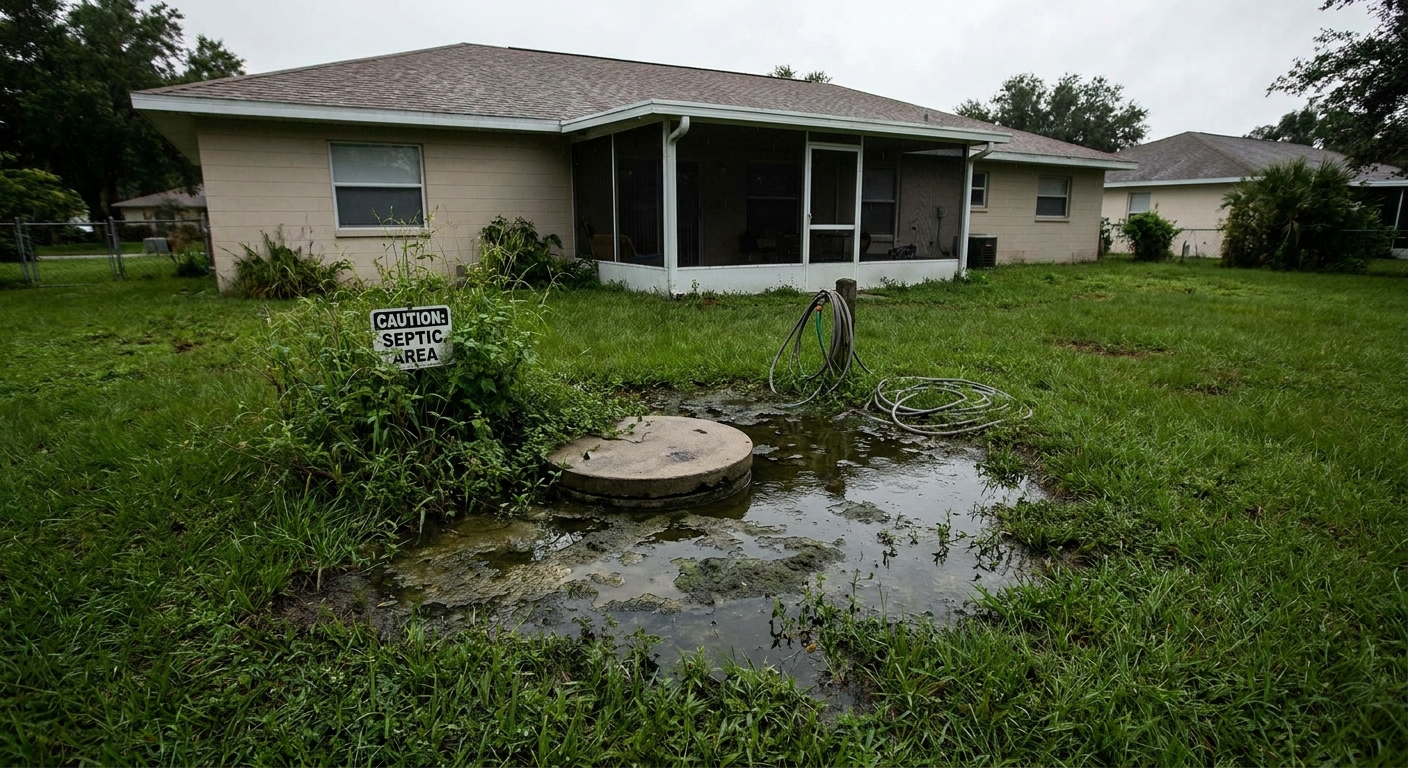
- Contaminated water pooling in the yard
- Persistent, overwhelming odors near the tank or drain field
- Soil saturation that kills grass and plants
- Structural damage to the drain field requiring full replacement
The Financial Hit You Didn't See Coming
Routine septic tank service maintenance costs a few hundred dollars every few years. Fixing a failed system? That's thousands. Replacing a drain field can run you $7,000 to $15,000 depending on the damage and the size of your property. And that doesn't include the cost of cleaning up sewage inside your home, replacing damaged flooring, or dealing with contaminated belongings.
Insurance doesn't always cover septic failures, especially if neglect was involved. So when the system goes down, we're often left footing the entire bill. That's a hard lesson to learn when a little preventive maintenance would have kept everything running smoothly.
- Pumping and inspection: $300–$600 every 3–5 years
- Emergency pump-out after backup: $500–$1,200
- Drain field repair: $3,000–$7,000
- Full drain field replacement: $7,000–$15,000+
- Interior cleanup and restoration: $2,000–$10,000+
Health Risks Nobody Wants to Deal With
Raw sewage isn't just unpleasant—it's dangerous. When a septic system fails, we're exposed to harmful bacteria, viruses, and parasites that can cause serious illness. Kids, elderly family members, and anyone with a compromised immune system are especially vulnerable. Gastrointestinal infections, hepatitis, and skin infections are all on the table when sewage enters living spaces.
Even outside, contaminated water in the yard poses a risk to pets, wildlife, and anyone who comes into contact with it. We can't see the bacteria, but it's there—and it spreads fast.
- Gastrointestinal infections from bacteria like E. coli and Salmonella
- Hepatitis A exposure through contaminated water
- Skin rashes and infections from direct contact
- Respiratory issues from airborne pathogens
- Increased risk for children, elderly, and immunocompromised individuals
Environmental Damage That Spreads Beyond Your Property
When a septic system fails, it doesn't just affect our home—it affects the surrounding environment. Untreated wastewater can seep into the ground and contaminate wells, lakes, and streams. In Lakeland, where many residents rely on groundwater, that contamination poses a serious risk to the entire community. Wildlife suffers, drinking water becomes unsafe, and the damage can take years to reverse.
We're not just responsible for our own property. We're responsible for making sure our waste doesn't become someone else's problem. Failing to maintain a septic system puts neighbors, local ecosystems, and public health at risk.
- Groundwater contamination affecting nearby wells
- Polluted runoff into lakes, ponds, and streams
- Harmful algae blooms caused by nutrient overload
- Threats to local wildlife and aquatic life
- Long-term environmental damage requiring costly remediation
Why Lakeland's Climate Makes Maintenance Even More Critical
Heavy rain is a fact of life in Lakeland, and it puts extra strain on septic systems. When the ground is saturated, drain fields can't absorb wastewater as effectively. That means a system that's already overdue for pumping is even more likely to fail during wet weather. Professional residential drainfield repair installation may be required if the system experiences complete failure. We've seen it happen time and again—homeowners who put off maintenance get hit with backups after a storm because the system simply couldn't handle the load.
Staying ahead of the schedule matters here. Waiting until there's a problem means dealing with it in the worst possible conditions, often when every other septic tank service in the area is booked solid. Properties with commercial systems should also consider commercial drainfield repair installation to prevent costly downtime and environmental violations.
Staying Ahead Means Staying Clean
Septic systems don't fail overnight—they fail because we let them. Every tank has a lifespan, and every drain field has limits. But with regular pumping, inspections, and a little attention to what goes down the drain, most systems will last decades without major issues. For comprehensive care, residential and commercial septic tank services provide the professional support needed to keep everything functioning properly. The trick is not waiting until something breaks. The trick is treating maintenance like the non-negotiable it is, because once the system goes down, there's no easy fix. Just expense, mess, and a lesson we'd rather not learn the hard way.
Let's Protect Your Home and Wallet
We all want to avoid the headaches and high costs that come with septic system failures. By staying proactive with maintenance, we can keep our homes safe, our yards clean, and our budgets intact. If you're ready to schedule service or have questions about your system, give us a call at 863-393-3127. When you're ready to take the next step, get a quote and let’s keep your septic system running smoothly for years to come.
‹ Back
Recent Posts
-
What Happens If You Skip Septic Tank Maintenance in Lakeland?
November 6, 2026
-
Can a Power Outage Affect Your Lakeland Lift Station?
October 23, 2026
-
Should You Repair or Replace Your Lakeland Drain Field?
October 9, 2026
-
When Should You Schedule Septic Tank Pumping in Lakeland?
September 25, 2026
-

Can Heavy Rain Overflow Your Septic Tank in Lakeland?
September 11, 2026