
Is Your Septic Tank in Lakeland Due for a Checkup?
Most homeowners treat septic systems like they're invisible. Out of sight, buried in the yard, doing their job without complaint. But ignoring your tank doesn't mean it's fine. It just means you're waiting for a problem to announce itself — and by then, you're looking at backups, contamination, or a full system replacement. Lakeland's sandy soil and humid climate speed up wear, and if you're not keeping tabs, the damage compounds fast.
So here's what matters. If your system hasn't been inspected in three years, you're overdue. If you're seeing slow drains or smelling something off in the yard, you're already behind. Every septic tank has a threshold, and when you cross it, the fix isn't cheap. Prevention beats repair every time — and it starts with knowing when to call in a pro.
Neglect Adds Up Faster Than You Think
Septic tanks aren't designed to maintain themselves. Solids settle at the bottom, scum floats at the top, and the zone in between handles the breakdown. When that balance tips — because the tank's too full or the bacteria can't keep up — the whole system starts to fail. In Florida's heat, decomposition accelerates, but so does the buildup. Miss your pump schedule, and you're not just looking at a full tank. You're risking clogs in the drain field, leaks into the groundwater, and repairs that run into the thousands.
Regular checkups catch issues while they're still manageable. A crack in the tank wall. A root intrusion near the outlet. A baffle that's starting to corrode. These don't fix themselves, and they don't stay small. The EPA recommends inspections every three years for most systems, but if your household is larger or your water use is high, that interval should shrink. Waiting until something breaks isn't a strategy — it's a gamble you'll lose.
Warning Signs You Shouldn't Ignore
Your septic system will tell you when it's struggling. The question is whether you're paying attention. Slow drains, strange odors, and wet spots in the yard aren't just minor inconveniences — they're red flags that the system is overloaded or failing. Lakeland homeowners who catch these early save themselves headaches and money. Those who don't end up dealing with sewage in the house or contaminated soil.
Here's what to watch for:
- Drains that empty slower than they used to, especially across multiple fixtures
- Foul smells near the tank or drain field, even when you're not running water
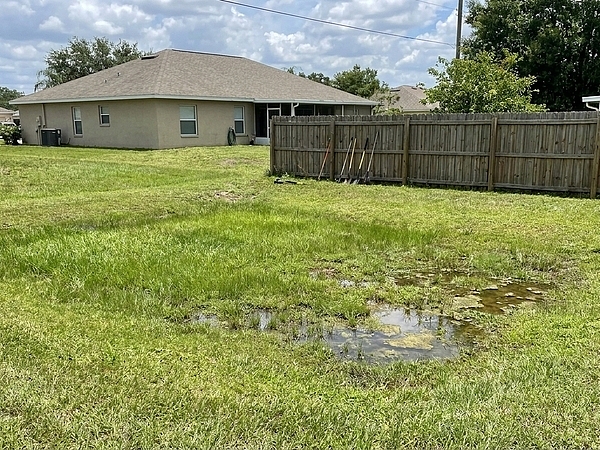
- Soggy patches or standing water in the yard, particularly over the leach field
- Gurgling noises from toilets or sinks when you flush or drain
- Sewage backing up into showers, tubs, or basement drains
- Grass that's greener or growing faster over the septic area than the rest of the lawn
What a Professional Inspection Actually Covers
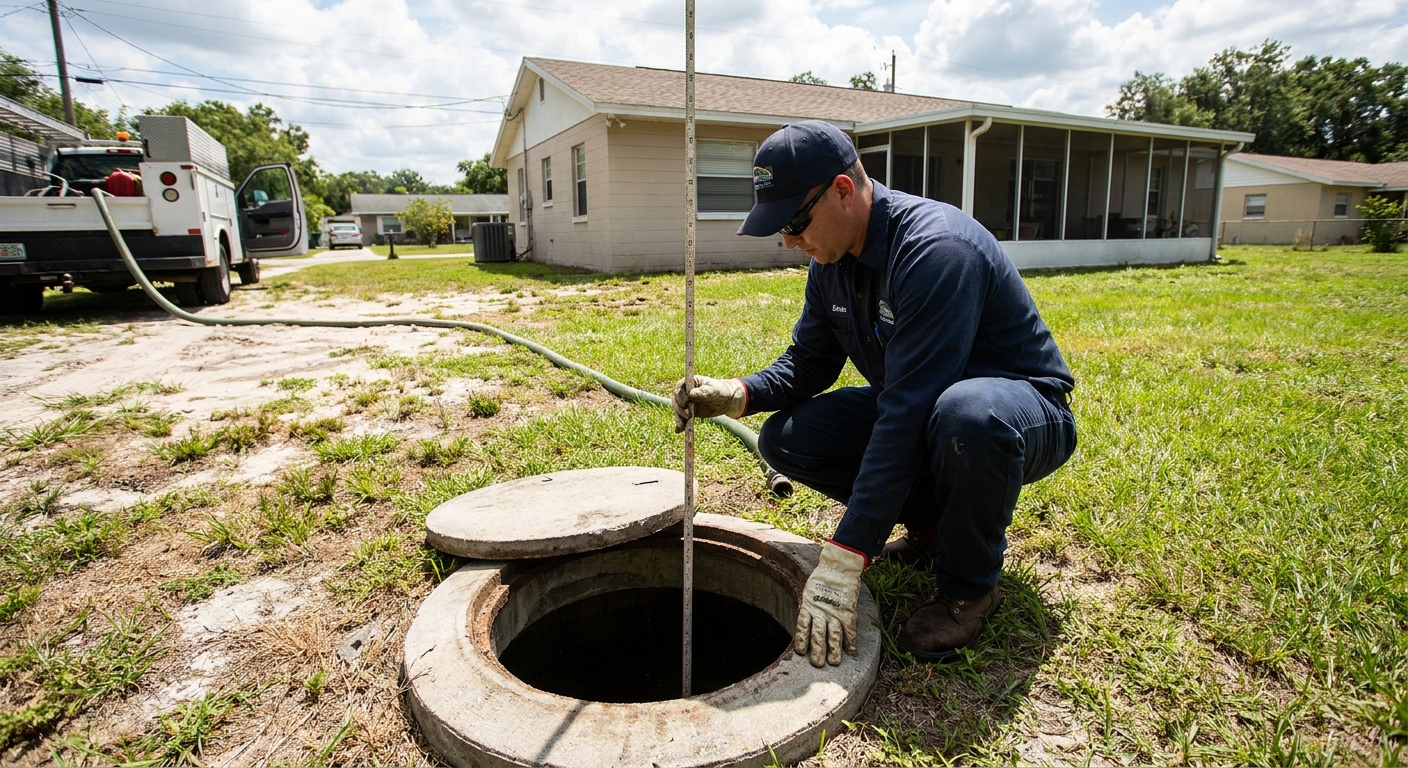
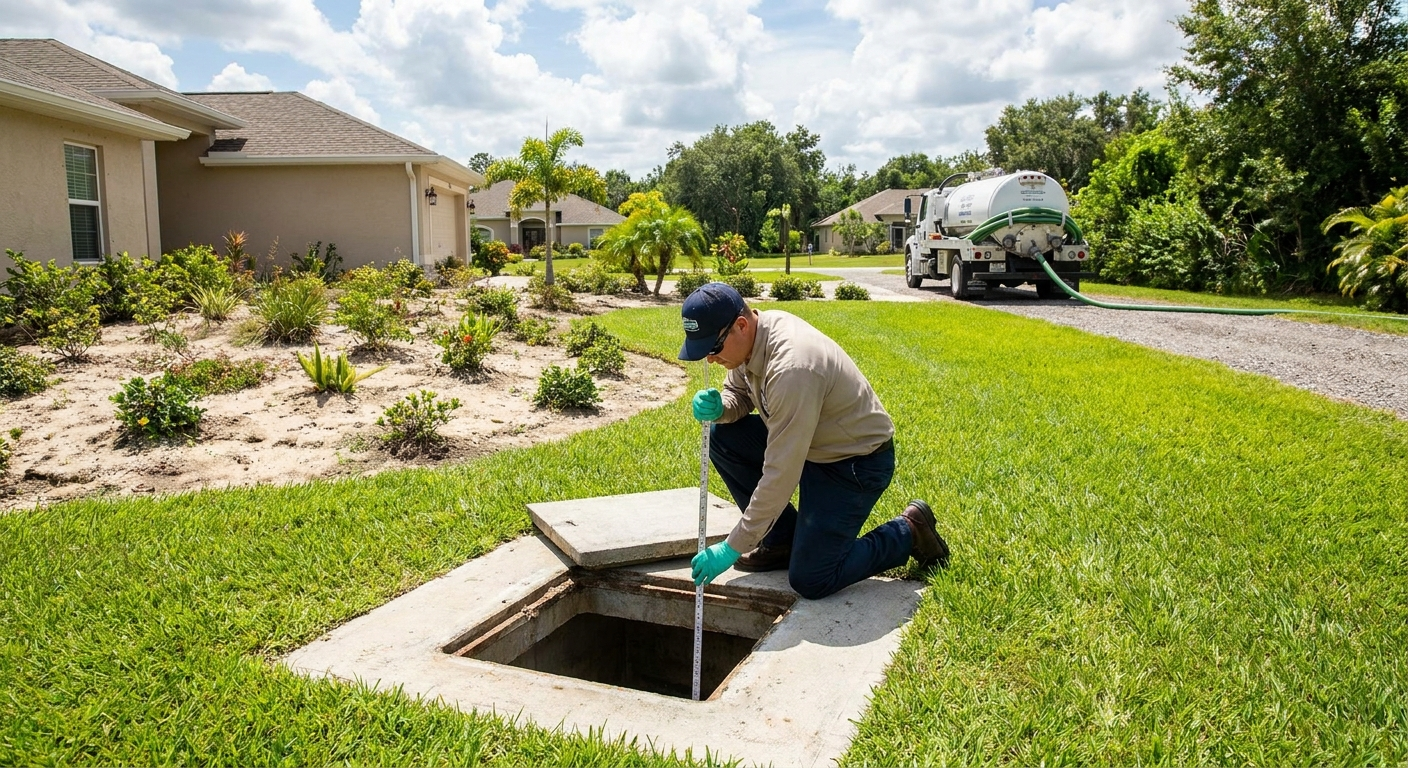
A real checkup isn't just someone popping the lid and glancing inside. It's a full evaluation of the tank, the pipes, the drain field, and the system's overall function. Technicians measure sludge and scum levels to see if you're approaching capacity. They check baffles and outlets for damage. They inspect the drain field for signs of saturation or failure. If the tank needs septic tank pumping, they handle it on the spot — and if there's a structural issue, they'll flag it before it turns into a crisis.
During the visit, expect the following steps:
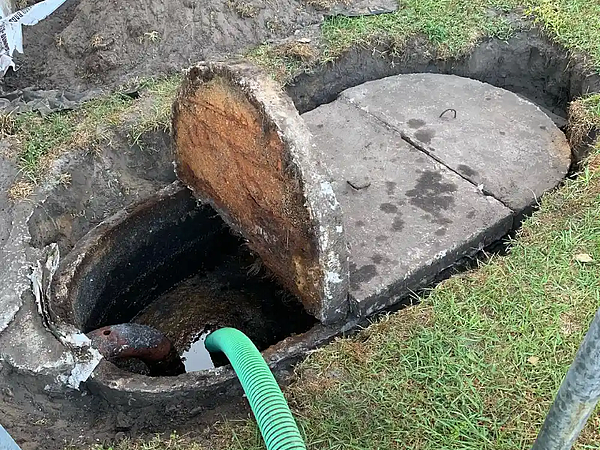
- Visual inspection of the tank, lid, and access points for cracks or corrosion
- Measurement of solid and liquid levels to determine if pumping is needed
- Testing of the drain field for proper absorption and flow
- Review of your household habits and recommendations for extending system life
- Documentation of findings and a proposed maintenance schedule
How Often You Should Actually Schedule Service
The standard interval is every three years for an inspection and every three to five years for pumping. But that's a baseline, not a universal rule. Larger households generate more wastewater, which means faster accumulation and more frequent service. Garbage disposals, water softeners, and older systems also shift the timeline. If you're on the upper end of usage — or if your tank is on the smaller side — you'll need more frequent attention.
Don't wait for symptoms to appear. By the time you notice something's wrong, the system is already strained. Proactive scheduling keeps everything running smoothly and avoids the kind of emergency service calls that come with premium pricing and weekend rates. Set a reminder, mark the calendar, or just ask your septic tank service maintenance company to add you to their rotation. The cost of routine maintenance is a fraction of what you'll pay for a repair.
Finding a Septic Pro Who Gets It Right
Not all septic companies are the same. Some show up, pump the tank, and leave. Others take the time to inspect, explain, and educate. You want the second kind. Look for a licensed and insured provider with experience in Lakeland's specific soil and regulatory environment. Ask for references. Check reviews. Make sure they're using modern equipment and following local health codes.
A good company won't just empty your tank. They'll walk you through what they found, what it means, and what you can do to protect your investment. They'll answer questions about water usage, what not to flush, and how to keep heavy vehicles off the drain field. The relationship shouldn't end when the truck pulls away — it should give you confidence that your system is being managed by someone who knows what they're doing.
Habits That Keep Your System Healthy
Between checkups, your daily habits make a difference. Conserving water reduces the load on your system and extends the time between pumpings. Avoiding non-biodegradable items — wipes, feminine products, grease — keeps the tank from clogging and the bacteria functioning. Even small choices, like spreading out laundry days or fixing leaky faucets, add up over time.
Here's what helps:
- Use water efficiently and avoid running multiple high-volume appliances at once
- Never flush anything that won't break down naturally
- Keep cars, equipment, and heavy loads off the drain field to prevent compaction
- Avoid pouring grease, oil, or harsh chemicals down the drain
- Maintain your yard to prevent roots from invading the tank or pipes
Why Waiting Costs More Than Acting
Routine septic maintenance isn't glamorous, but it's one of the smartest things you can do as a homeowner in Lakeland. The alternative — waiting until something breaks — leaves you scrambling for emergency service, dealing with contamination, or facing a residential drainfield repair installation. None of that is cheap, and all of it is avoidable. If your tank hasn't been inspected in the last three years, or if you've noticed any of the warning signs, it's time to make the call. Professional residential and commercial septic tank services can help whether you need commercial drainfield repair installation or routine septic filter cleaning. Your system won't fix itself, but a professional checkup will keep it running strong for years to come.
Let’s Keep Your Septic System Worry-Free
We know how important it is to have peace of mind about your septic system. Staying ahead of problems means fewer surprises and more time enjoying your home. If you’re ready to schedule a checkup or just want honest advice, let’s talk. Call us at 863-393-3127 or get a quote today and let’s make sure your septic tank is in top shape for the years ahead.
‹ Back
Recent Posts
-

Can Heavy Rain Overflow Your Septic Tank in Lakeland?
September 11, 2026
-

Is Your Septic System in Lakeland Ready for Property Expansion?
August 28, 2026
-
Does Your Business in Lakeland Need a Lift Station Inspection?
August 14, 2026
-
-