

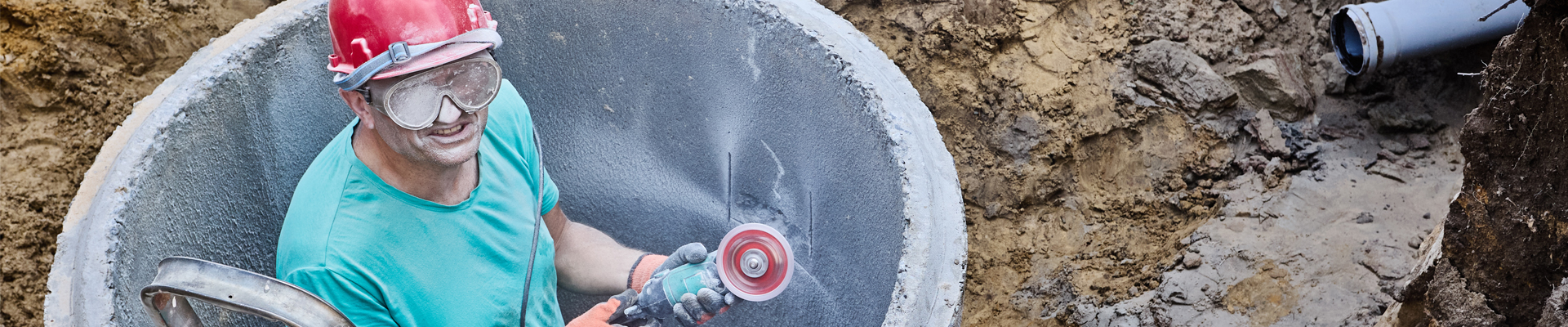
Is Your Drain Field in Lakeland Struggling After Heavy Usage?
Most homeowners think drain fields run on autopilot. Water goes in, soil filters it out, problem solved. But the reality? Heavy usage doesn't just test your system—it exposes every weak point. And in Lakeland, where septic systems handle the load for thousands of properties, ignoring the warning signs means you're one backup away from a disaster that could've been prevented.
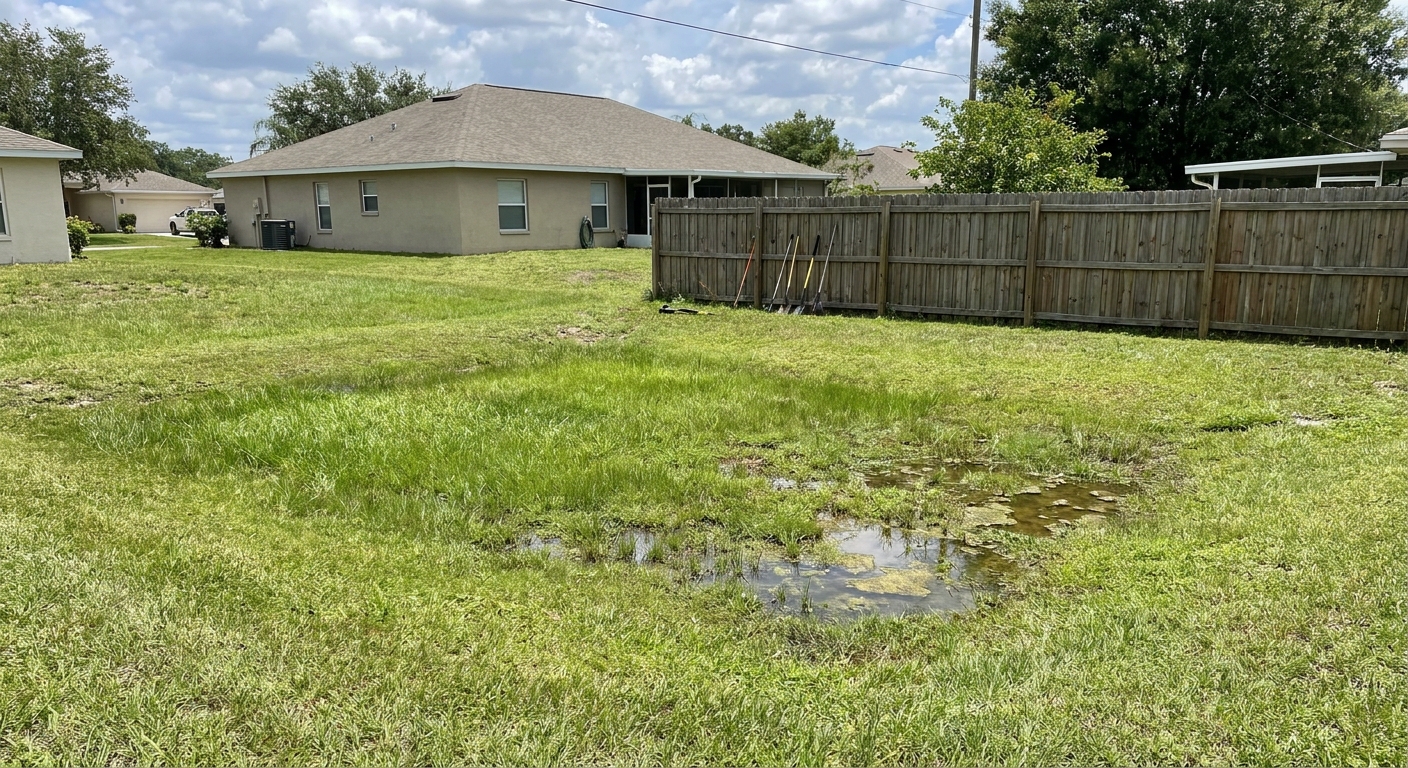
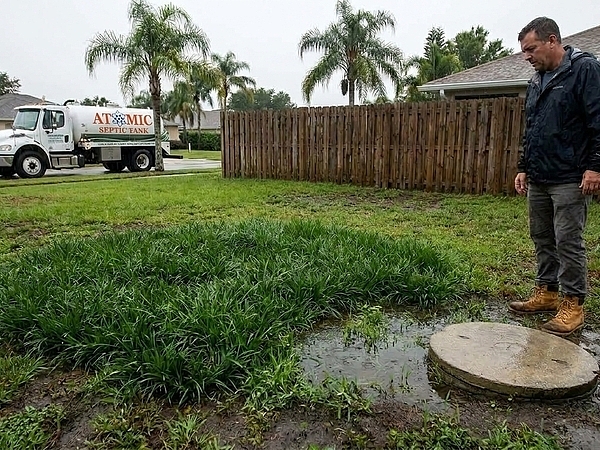
Your drain field isn't designed to absorb unlimited water. Push it too hard—holiday guests, back-to-back laundry days, marathon showers—and the soil can't keep up. When that happens, untreated wastewater starts pooling where it shouldn't. On your lawn. In your pipes. Sometimes both. And once saturation sets in, recovery isn't automatic.
How Overload Happens Faster Than You Think
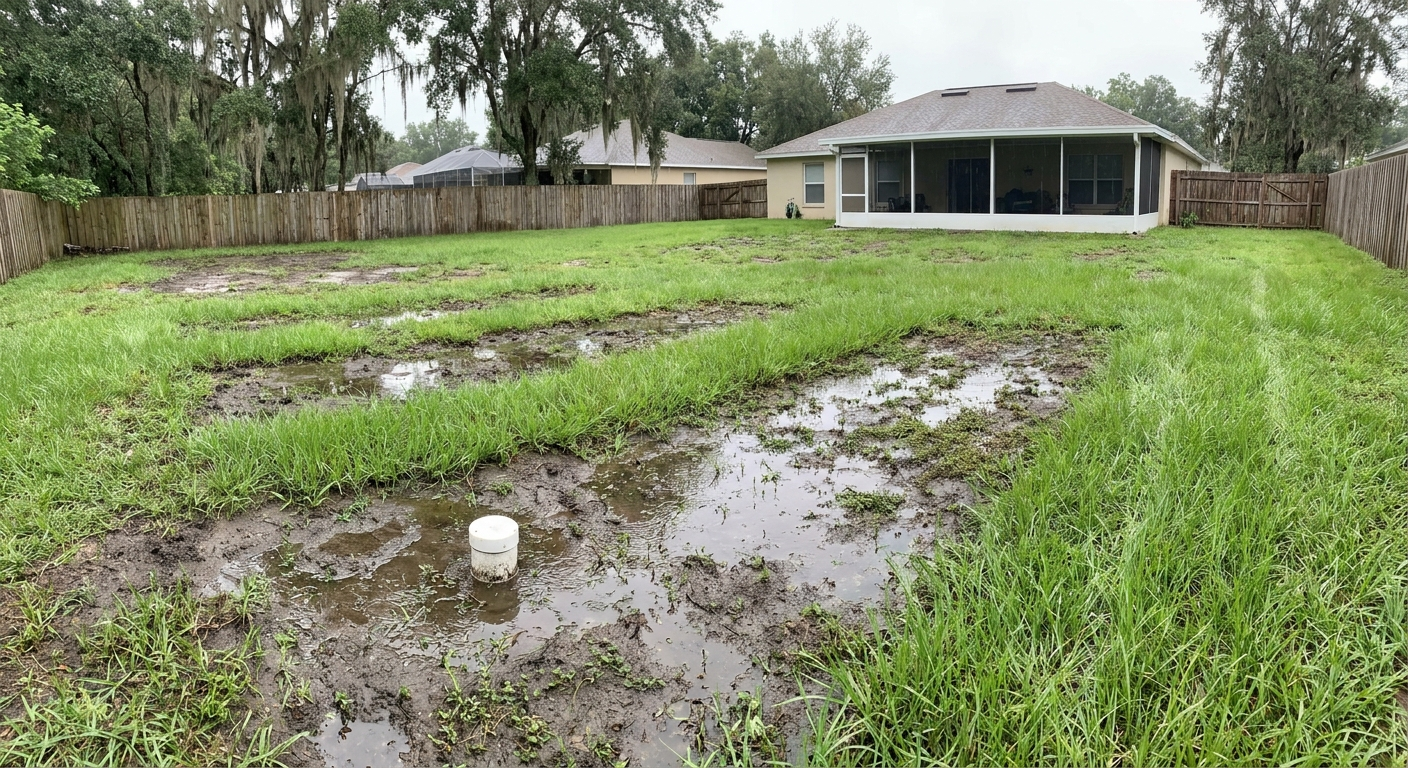
Drain fields work because soil has time to absorb, filter, and release water gradually. But when usage spikes, that cycle breaks down. The trenches flood. The ground stays wet. And instead of treating wastewater, your system just moves it sideways—or worse, sends it back toward your house.
We see this all the time after big family weekends or when someone adds a houseguest who doesn't realize your plumbing isn't on city sewer. One extra person might not sound like much, but multiply that by showers, dishwashing, and toilet flushes, and your system's suddenly handling double or triple its normal flow. That's when things get messy.
The Red Flags You Shouldn't Ignore
- Drains that crawl instead of clear—sinks, tubs, toilets all sluggish at once
- Wet spots or standing water over the drain field, even when it hasn't rained
- Sewage smell lingering around your yard or near the tank
- Grass that's suddenly greener or growing faster over the leach lines
- Gurgling sounds from your plumbing when water's running elsewhere
- Backups in lower-level drains or toilets that won't flush right
What Actually Fixes the Problem
If your drain field's showing stress, don't wait for it to "work itself out." It won't. The first move is cutting back water use immediately. No laundry marathons. No hour-long showers. No running the dishwasher twice a day. Give the soil a chance to dry out and reset.
Next, check for leaks. A running toilet or dripping faucet might seem minor, but over 24 hours that's gallons of unnecessary water hitting your system. Fix those, and you're already easing the load. Then call a licensed septic pro in Lakeland. They'll pump the tank if needed, inspect the field, and tell you whether you're looking at a temporary overload or something structural.
Mistakes That Make It Worse
- Driving or parking over the drain field, which compacts soil and crushes pipes
- Dumping chemical "fix-it" products down the drain—they kill the bacteria your system needs
- Ignoring the problem and hoping it resolves on its own
- Planting trees or deep-rooted shrubs over the leach lines, inviting root damage
- Skipping regular septic pumping, which lets solids overflow into the drain field
Preventing the Next Overload
You can't always control when guests show up or when life gets busy. But you can control how your system handles it. Start with regular septic tank pumping—every three to five years, depending on household size. That alone prevents most drain field failures.
Spread out water-heavy tasks. Don't do five loads of laundry in one day. Don't let everyone shower back-to-back. Stagger usage so your system has time to process what's coming in. And keep an eye on what goes down the drain. Wipes, grease, and anything that doesn't break down fast will clog your tank and push solids into the field.
When Replacement Becomes the Only Option
Sometimes a drain field just can't be saved. If you're seeing chronic standing water, persistent odors, or repeated backups even after pumping and repairs, the soil's likely failed. That usually happens after 20 to 30 years, though poor maintenance or soil conditions can speed it up.
Replacement isn't cheap, but it's not optional either. A failed drain field is a health hazard and a liability. In Lakeland, a qualified septic contractor can evaluate your property, design a new system, and handle permitting. Whether you need residential drainfield repair installation or commercial drainfield repair installation, it's a process, but it beats dealing with raw sewage in your yard.
Why Waiting Costs More
- Minor issues become major repairs when ignored
- Saturated soil takes longer to recover the more it's abused
- Backups can damage flooring, drywall, and fixtures inside your home
- Health risks increase when untreated wastewater surfaces
- Permitting and inspection delays stretch out emergency timelines
Smart Habits Keep Systems Running
Your drain field isn't a mystery. It's a functional part of your property that responds to how you treat it. Use water wisely. Pump your tank on schedule. Watch what goes down the drain. And when something feels off, don't wait to check it out.
Most drain field problems in Lakeland trace back to one thing—overload without recovery time. Heavy usage will always test the system. But if you're proactive, that test doesn't have to turn into a failure. Keep your habits sharp, your septic tank service maintenance routine tight, and your septic pro on speed dial. That's how you protect your property and avoid the kind of repairs that blow up your budget.
Let’s Protect Your Lakeland Home Together
We know how stressful drain field issues can be, especially when you rely on your septic system every day. If you’re noticing any warning signs or just want peace of mind, let’s tackle the problem before it gets worse. Give us a call at 863-393-3127 or get a quote and we’ll help you keep your home safe and your system running smoothly.
‹ Back
Recent Posts
-
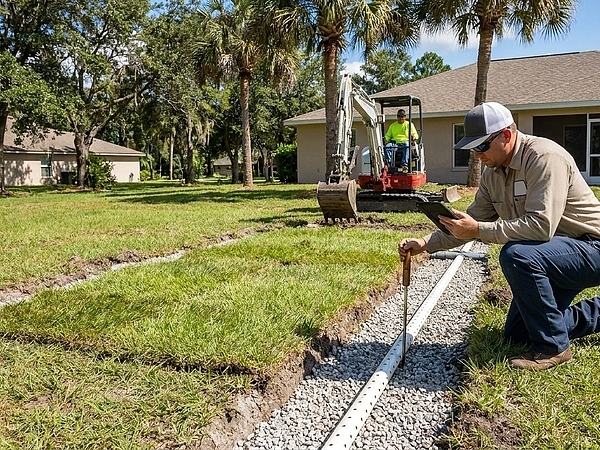
Should You Repair or Replace Your Lakeland Drain Field?
October 9, 2026
-
When Should You Schedule Septic Tank Pumping in Lakeland?
September 25, 2026
-

Can Heavy Rain Overflow Your Septic Tank in Lakeland?
September 11, 2026
-

Is Your Septic System in Lakeland Ready for Property Expansion?
August 28, 2026
-
Does Your Business in Lakeland Need a Lift Station Inspection?
August 14, 2026