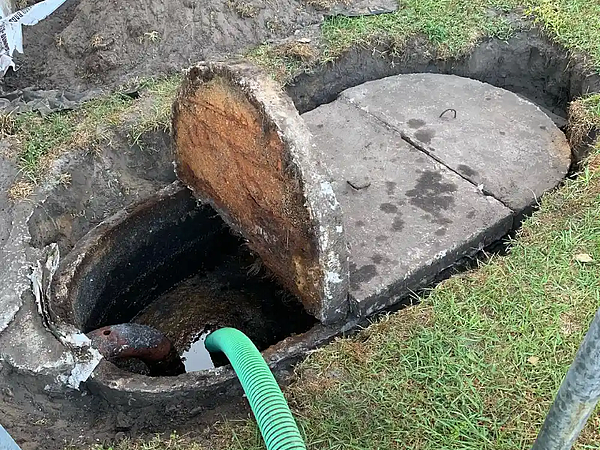

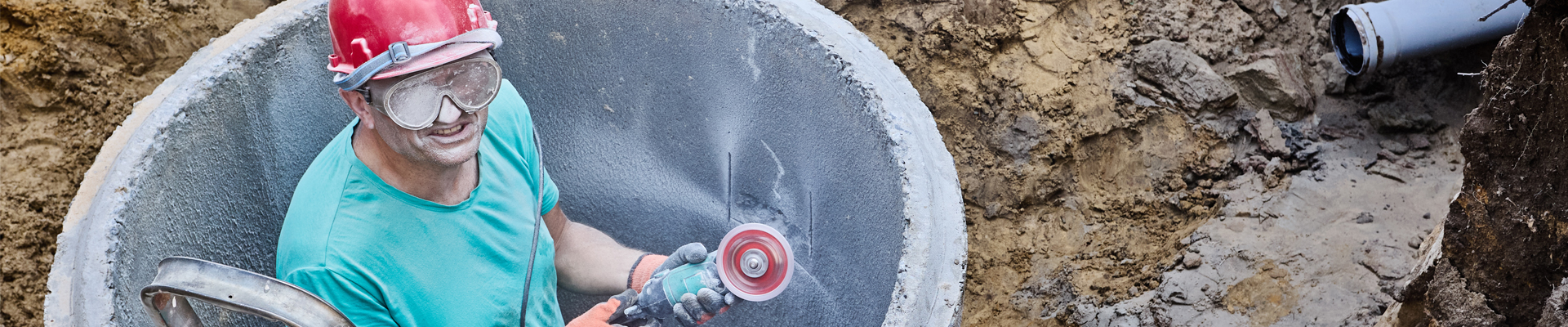
Can Tree Roots Damage Your Septic System in Lakeland?
Most homeowners think septic systems are just about what happens inside the house. Flush it, forget it. But there's another threat working underground — and if you don't see it coming, you're looking at thousands in damage. Tree roots don't care about property lines or pipe boundaries. They follow moisture, and your septic system is basically a buffet.
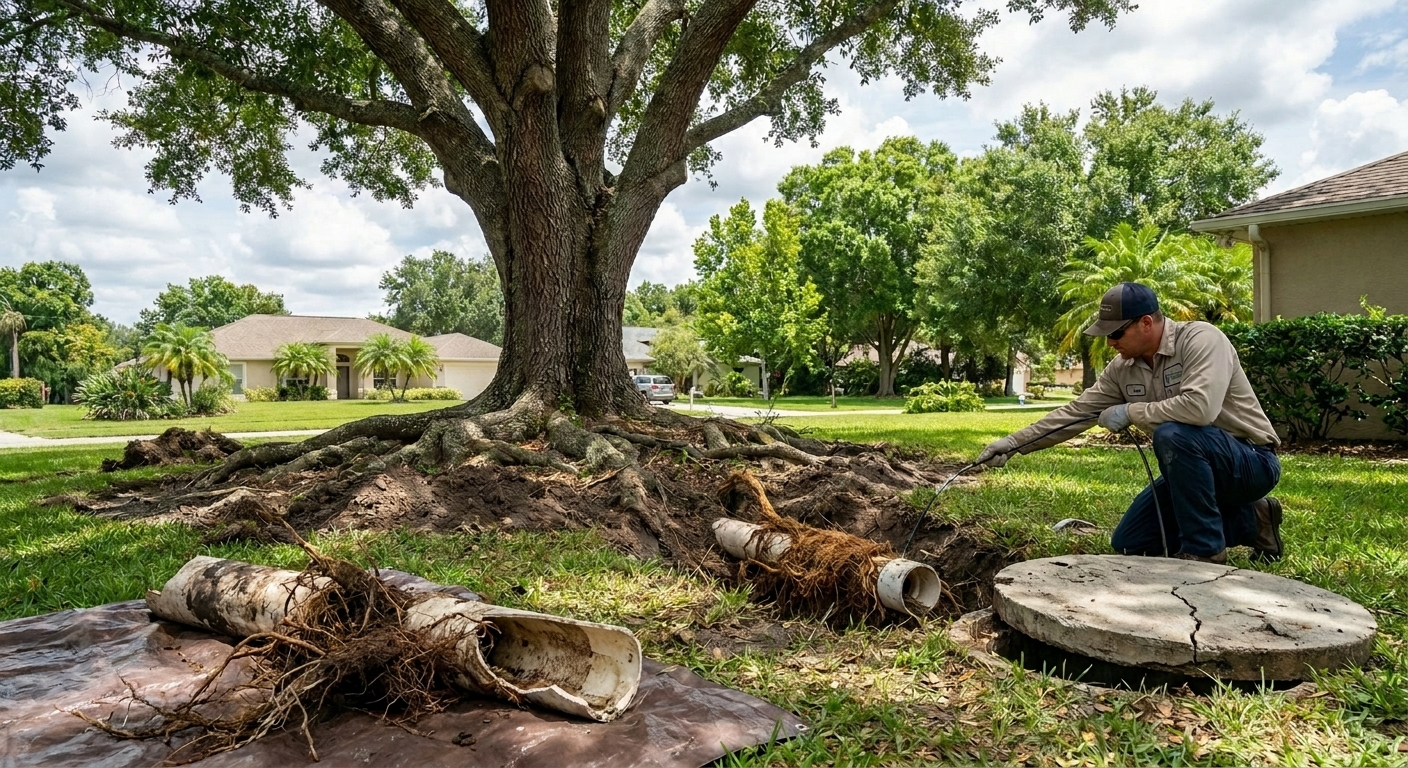
So here's the reality. Those beautiful oaks and maples shading your yard? They might be quietly choking out your drain field. Roots don't announce themselves. They slip through cracks, wrap around joints, and block flow until your system backs up or fails completely. Every septic setup needs breathing room. Every tree planted near one should be chosen with intention. And every homeowner in Lakeland should know what to watch for — not just what looks good on the curb.
Roots Follow Water Like a Roadmap
Septic systems are designed to handle wastewater through a series of underground pipes and a drain field. Those pipes sit in soil that's often moist, nutrient-rich, and exactly what tree roots are hunting for. Roots grow toward water sources naturally, and even the smallest crack or loose joint in a septic line becomes an entry point. Once inside, they expand, block flow, and create pressure that leads to leaks or ruptures.
In Lakeland, the climate works against you. Warm weather and regular rainfall mean trees grow fast and roots spread aggressively. Species like willow, oak, and poplar are particularly bad actors. Plant one too close to your septic system, and you're asking for trouble you won't see until it's already expensive.
What Root Damage Actually Looks Like
Catching root intrusion early can save you from a full system replacement. But most people don't know what to look for until something goes catastrophically wrong. Here are the red flags that roots are already in your pipes:
- Drains that slow down across the house, not just one fixture
- Gurgling noises from toilets or sinks when water drains
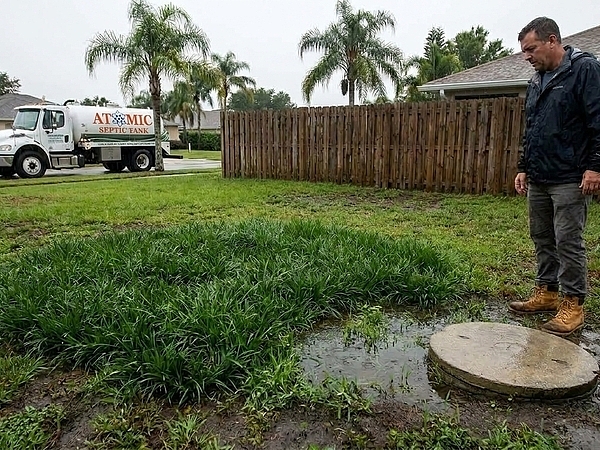
- Patches of grass that stay greener or wetter than the rest of your yard
- Sewage smells near your tank or drain field that don't go away
- Backups that happen without explanation or pattern
If you're seeing any combination of these, roots are likely involved. Don't wait for confirmation from a flooded bathroom. Get it checked.
Keeping Roots Out Before They Get In
Prevention isn't complicated, but it does require planning. Most root damage happens because trees were planted too close or the wrong species was chosen in the first place. Here's how to protect your system before roots become a problem:
- Plant trees at least as far from your septic system as the tree's mature height
- Choose shallow-rooted species like dogwood or cherry instead of aggressive growers
- Schedule inspections every few years to catch early signs of intrusion
- Install root barriers between existing trees and your septic components
- Address cracks or loose joints in pipes immediately, before roots find them
These aren't expensive steps. But skipping them can cost you a new drain field, and that's not a bill anyone wants.
When the Damage Is Already Done
Found roots in your system? You'll need a professional. DIY root removal doesn't work and can make things worse. Septic techs use specialized equipment to cut roots out of pipes and clear blockages without damaging the system further. Some situations call for chemical treatments to kill regrowth, but those need to be applied carefully to avoid contaminating your drain field or groundwater.
In the worst cases, you're looking at pipe replacement or a complete drain field overhaul. That's not just expensive — it's disruptive. Your yard gets dug up, your system goes offline, and you're stuck dealing with contractors for weeks. All of which is avoidable if you catch the problem early or prevent it outright.
The Species That Cause the Most Trouble
Not all trees are septic killers, but some are repeat offenders. If you've got any of these near your system, you're playing with fire:
- Willow trees, which have notoriously invasive root systems
- Maple and oak varieties that spread roots wide and deep
- Poplar trees, which grow fast and search aggressively for water
- Elm and birch, both of which have shallow, far-reaching roots
- Fig trees, which may look harmless but pack aggressive underground growth
What Happens If You Ignore the Warning Signs
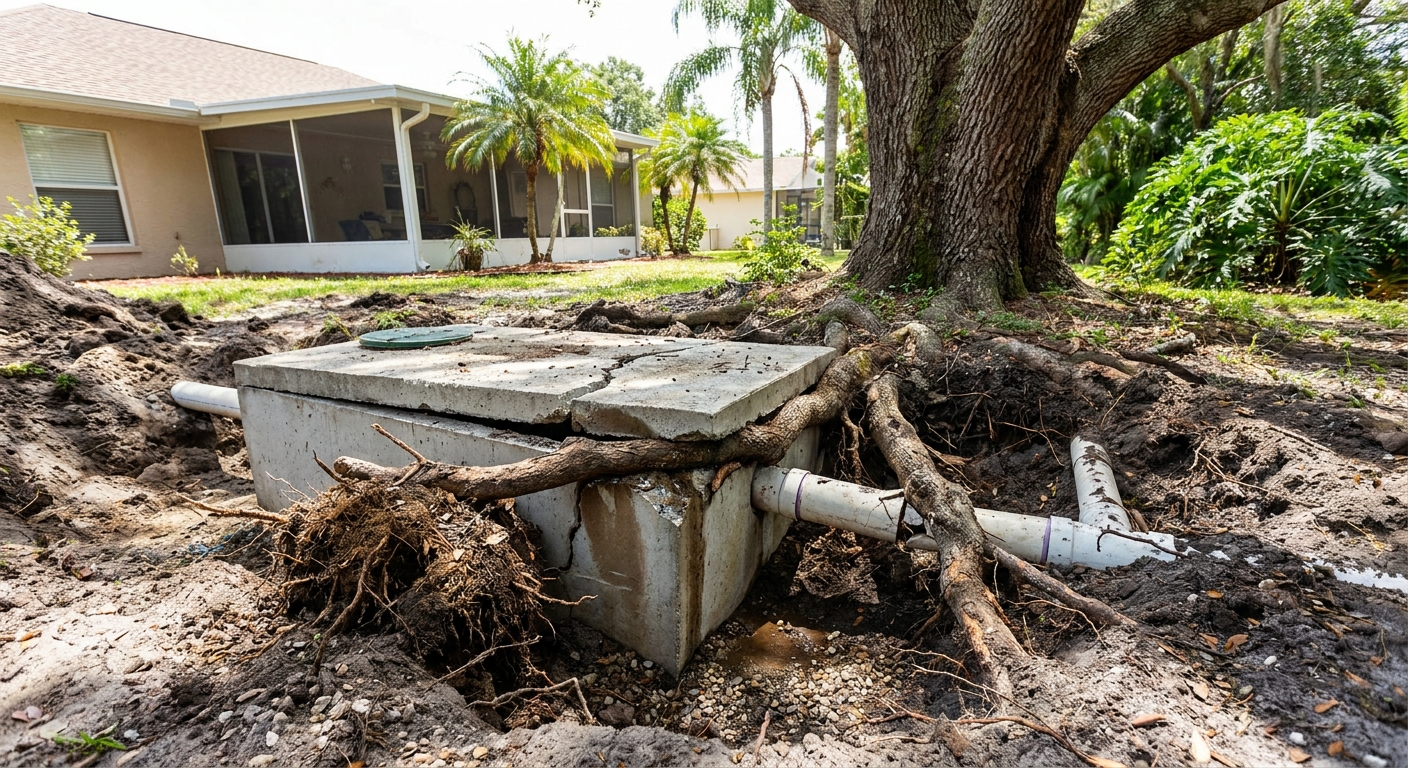
Root intrusion doesn't fix itself. It gets worse. Slowly at first, then all at once. You might notice a slow drain one month and a full backup the next. By the time sewage is pooling in your yard or backing into your house, you're in crisis mode. Repairs go from a few hundred dollars to several thousand. Insurance rarely covers it. And the longer you wait, the more damage compounds.
Ignoring the problem also puts your property at risk. A failed septic system can contaminate groundwater, kill vegetation, and create health hazards for your family and neighbors. The county won't overlook it, and neither will potential buyers if you're trying to sell.
Why Lakeland Homeowners Face Higher Risk
Lakeland's environment accelerates root growth. Between the heat, humidity, and frequent rain, trees here grow faster and more aggressively than in drier climates. Older neighborhoods with mature trees face even greater risk, since root systems have had decades to expand toward septic lines. Add in the fact that many septic systems in Florida are older and more vulnerable, and you've got a perfect storm for root intrusion.
If your home is more than 20 years old and the landscaping hasn't changed much, assume the roots are already close. Get an inspection. Don't wait for confirmation through a sewage backup.
When to Bring in a Pro
If you suspect root damage, don't try to handle it yourself. Septic systems are complex, and mistakes can lead to contamination, expensive repairs, or even legal trouble if you violate local codes. A licensed septic professional can:
- Inspect your system with cameras to locate root intrusion
- Remove roots safely without damaging pipes
- Recommend barrier installations or tree removal if necessary
- Repair leaks or replace damaged sections of pipe
- Advise on landscaping changes to prevent future problems
Protect Your System Before It Costs You
Tree roots don't ask permission. They find weakness and exploit it, and your septic system is one of the most vulnerable parts of your property. The good news? You can stop most damage before it starts. The bad news? Once roots are in, the clock is ticking. So plant smart, inspect regularly, and don't ignore the signs. Regular septic tank pumping and professional maintenance aren't just recommended — they're essential to catching problems before they become catastrophic. Because replacing a septic system isn't just expensive — it's entirely preventable if you know what you're dealing with.
Let’s Safeguard Your Septic System Together
We know how important it is to keep your Lakeland home running smoothly, and that starts with a healthy septic system free from root damage. If you’re seeing warning signs or just want peace of mind, let’s tackle the problem before it grows. Give us a call at 863-393-3127 or get a quote today so we can help you protect your investment and keep your property worry-free.
‹ Back
Recent Posts
-
When Should You Schedule Septic Tank Pumping in Lakeland?
September 25, 2026
-

Can Heavy Rain Overflow Your Septic Tank in Lakeland?
September 11, 2026
-

Is Your Septic System in Lakeland Ready for Property Expansion?
August 28, 2026
-
Does Your Business in Lakeland Need a Lift Station Inspection?
August 14, 2026
-