
Are Grease & Food Waste Causing Septic Issues in Lakeland?
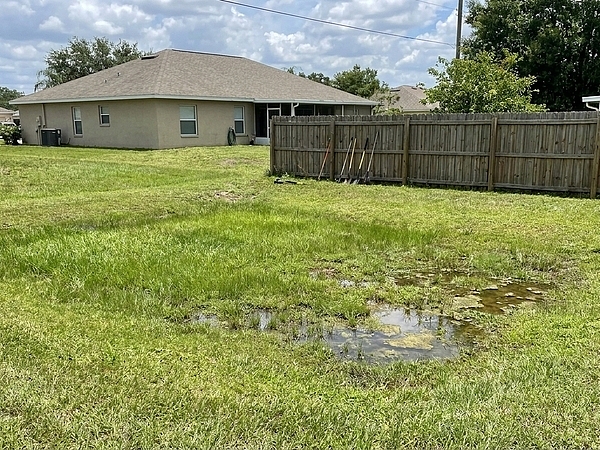
Your septic system isn't asking for much. It needs balance, bacteria, and common sense. But most homeowners in Lakeland treat it like a magic box — dump whatever, flush whatever, forget whatever. Then the backups start. The yard gets soggy. The smell hits. And suddenly, that $10,000 repair bill doesn't seem so theoretical anymore.
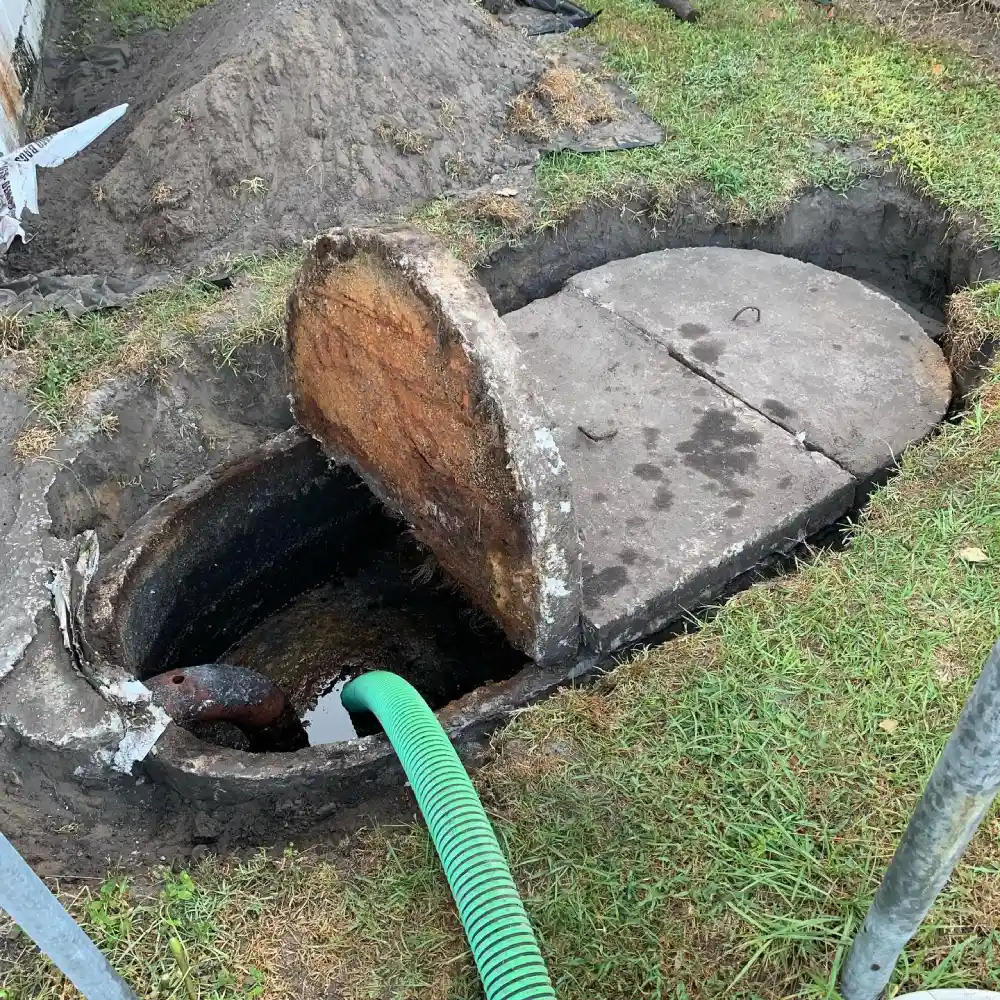
Grease and food waste are the quiet killers of septic health. They don't announce themselves until the damage is done. By then, you're not just dealing with a clogged pipe. You're dealing with a system that's choking on materials it was never designed to handle. If you've been pouring bacon grease down the drain or using your garbage disposal like a trash compactor, we need to talk.
How Your System Actually Functions
Septic tanks operate on a three-layer system. Solids sink to the bottom, oils and grease float to the top, and the middle layer — clarified wastewater — flows out to the drain field. That liquid gets filtered naturally through soil, completing the treatment cycle. It's elegant when it works. But it only works when what enters the tank can be broken down by bacteria.
The bacteria inside your tank are the workforce. They digest organic matter and keep the system from overloading. Introduce the wrong materials, and that workforce collapses. Without bacterial breakdown, solids accumulate faster. The scum layer thickens. And the entire system starts to fail from the inside out.
Grease Turns Into a Concrete Problem
When grease is hot, it flows. When it cools, it solidifies. That's not just inconvenient — it's destructive. Grease coats the inside of your pipes, hardens along tank walls, and clogs the pores in your drain field soil. Once that happens, wastewater can't filter properly. It either backs up into your house or pools in your yard.
The scum layer in your tank is supposed to be manageable. But when you're routinely dumping cooking oils, butter, salad dressings, and fryer grease down the drain, that layer grows out of control. It overflows into the outlet pipe and heads straight for the drain field. That's when you start seeing standing water, dead grass, and septic odors that won't quit.
Food Scraps Overload the Tank
Garbage disposals are convenient. They're also one of the worst things you can pair with a septic system. Every time you grind up food waste, you're sending material into a tank that wasn't built to handle it. Even biodegradable food takes longer to break down than toilet paper. Fibrous vegetables, pasta, rice, and coffee grounds? They don't break down at all. They just sit there and pile up.
The more solids you introduce, the faster your tank fills. That means more frequent pumping, higher maintenance costs, and a greater risk of system failure. And if those solids make it past the tank into the drain field, you're looking at soil compaction and long-term drainage issues that can cost thousands to fix.
Warning Signs You Can't Ignore
Your septic system will tell you when it's struggling. The question is whether you're paying attention. Slow drains are often the first clue. If water is taking longer to go down in your sinks, showers, or toilets, something is restricting flow. That restriction is often grease buildup or a tank nearing capacity.
Other red flags include:
- Foul sewage smells near drains or in your yard
- Gurgling noises when you flush or run water
- Wet, spongy areas over the drain field
- Sewage backing up into bathtubs or toilets
- Lush, overly green grass above the septic area
These aren't minor inconveniences. They're symptoms of a system that's already compromised. The longer you wait to address them, the more expensive the fix becomes.
What Belongs in Your Tank and What Doesn't
Septic systems are designed for human waste and toilet paper. That's it. Everything else is a gamble. Grease, cooking oils, and fatty substances should never go down the drain. Neither should food scraps, coffee grounds, eggshells, or anything fibrous. Even "flushable" wipes are a problem — they don't break down fast enough and can clog pipes.
Here's what you should avoid:
- Cooking grease, oils, and fats of any kind
- Food waste from garbage disposals
- Coffee grounds and tea leaves
- Eggshells and bones
- Pasta, rice, and other starchy foods
- Produce stickers and fibrous vegetables
If it didn't come out of your body or wasn't designed to dissolve in water, it doesn't belong in your septic system.
How to Protect Your System Long Term
Prevention is cheaper than repair. Always. Start by keeping grease out of your drains entirely. Let it cool in a container, then toss it in the trash. Scrape plates into the garbage before rinsing them. Compost food scraps when possible. And if you have a garbage disposal, consider disconnecting it or using it sparingly.
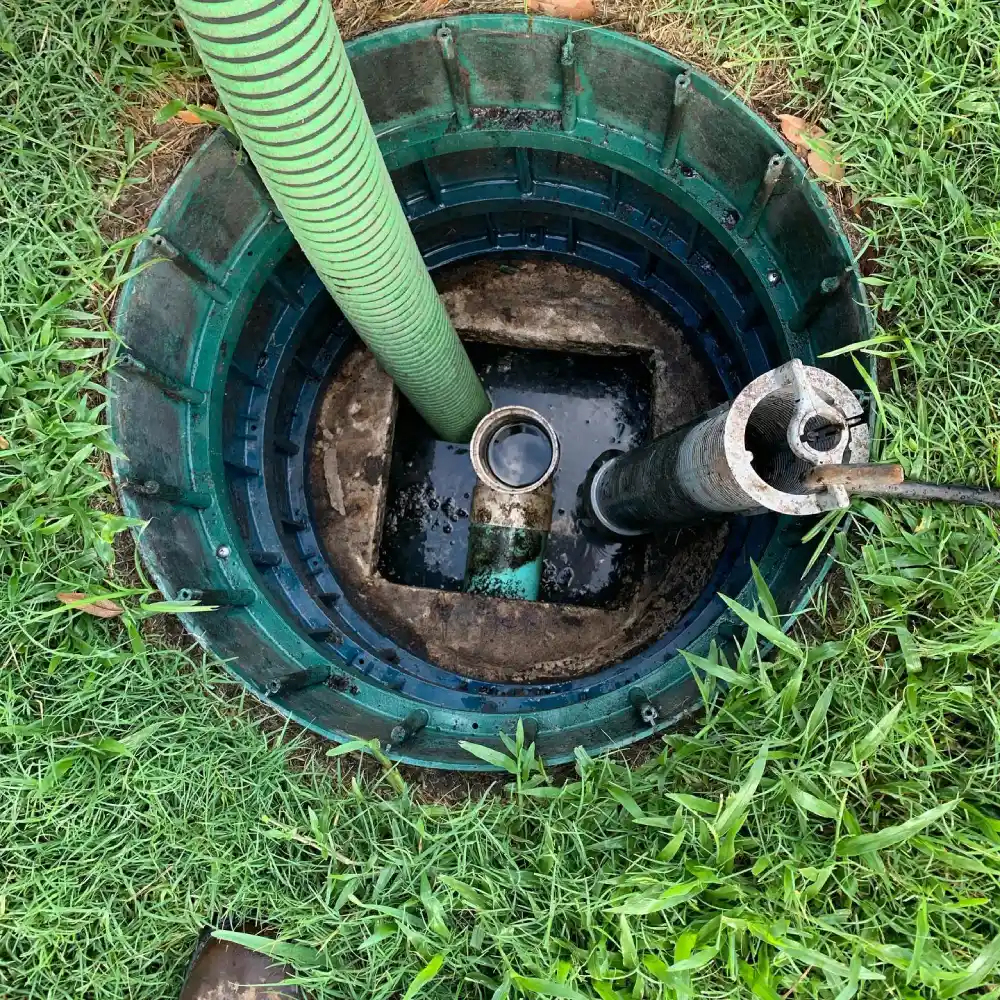
Routine maintenance matters just as much as daily habits. Have your tank inspected and pumped every three to five years, depending on household size and usage. A professional can check the scum and sludge levels, identify early warning signs, and keep your system running efficiently. Skipping septic tank service maintenance to save a few hundred dollars now can cost you ten times that later.
When DIY Fixes Don't Cut It
Some homeowners try to solve septic issues with additives or enzyme treatments. These products claim to restore bacterial balance or break down waste faster. Most don't work. In fact, some can make things worse by disrupting the natural ecosystem inside your tank. If your system is already struggling, no over-the-counter product is going to fix it.
What you need is a licensed septic professional who can assess the situation, pump the tank if necessary, and inspect the drain field for damage. If grease has clogged your pipes or soil, that's not something you can flush away with a bottle of bacteria. Professional septic tank pumping requires real intervention — and the sooner you call, the less invasive that intervention will be.
Lakeland Soil and Septic Performance
Lakeland's sandy soil is generally good for septic systems. It drains well and filters wastewater effectively when the system is functioning properly. But that same soil can become hydrophobic when it's coated with grease or organic buildup. Once the soil stops absorbing water, your drain field fails. And replacing a drain field is one of the most expensive septic repairs you can face.
The key is not to let it get to that point. Keep grease out of the system. Limit food waste. Pump your tank on schedule. Those three habits alone will extend the life of your system by years and save you from catastrophic repairs down the line. Regular septic filter cleaning can also prevent buildup and maintain proper flow.
Your System Works When You Do
Septic maintenance isn't glamorous. It's not something most people think about until something goes wrong. But treating your system with respect — and understanding what it can and can't handle — will keep it running smoothly for decades. Grease and food waste are avoidable problems. They're the result of convenience, not necessity. And if you're willing to change a few habits now, you'll avoid a whole lot of expense and frustration later.
We've seen too many Lakeland homeowners ignore the early signs until they're staring at a flooded yard and a five-figure repair estimate. Whether you need residential drainfield repair installation in Lakeland or preventive care, taking action early is crucial. Don't be that homeowner. Professional residential and commercial septic tank services can help you avoid costly emergencies and keep your system functioning properly. Take care of your system, and it'll take care of you.
Let’s Keep Your Septic System Trouble-Free
We know how important a healthy septic system is for your home and peace of mind. If you’re noticing warning signs or just want to make sure your system is protected from grease and food waste, let’s work together to prevent costly problems. Call us at 863-393-3127 to speak with our team, or get a quote today and see how we can help you keep things running smoothly.
‹ Back
Recent Posts
-

Can Heavy Rain Overflow Your Septic Tank in Lakeland?
September 11, 2026
-

Is Your Septic System in Lakeland Ready for Property Expansion?
August 28, 2026
-
Does Your Business in Lakeland Need a Lift Station Inspection?
August 14, 2026
-
-