

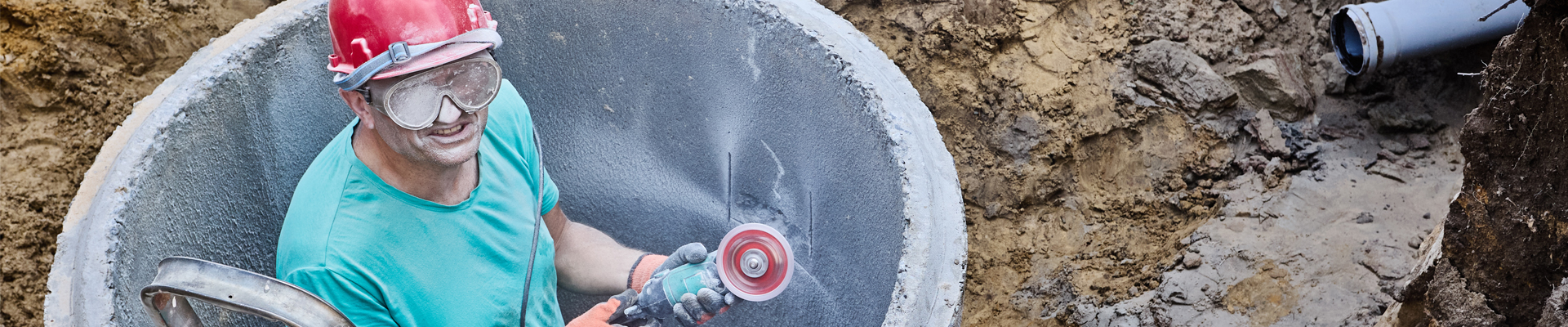
Common Lift Station Problems in Lakeland Commercial Properties
Most property managers think lift stations just move wastewater. Flip a switch, pump kicks on, problem solved. But these systems are more fragile than they look — and if you're not watching them, you're setting yourself up for a mess. Pumps fail. Alarms go silent. Sewage backs up into places it shouldn't. And when that happens in a commercial building, the damage isn't just expensive. It's public.
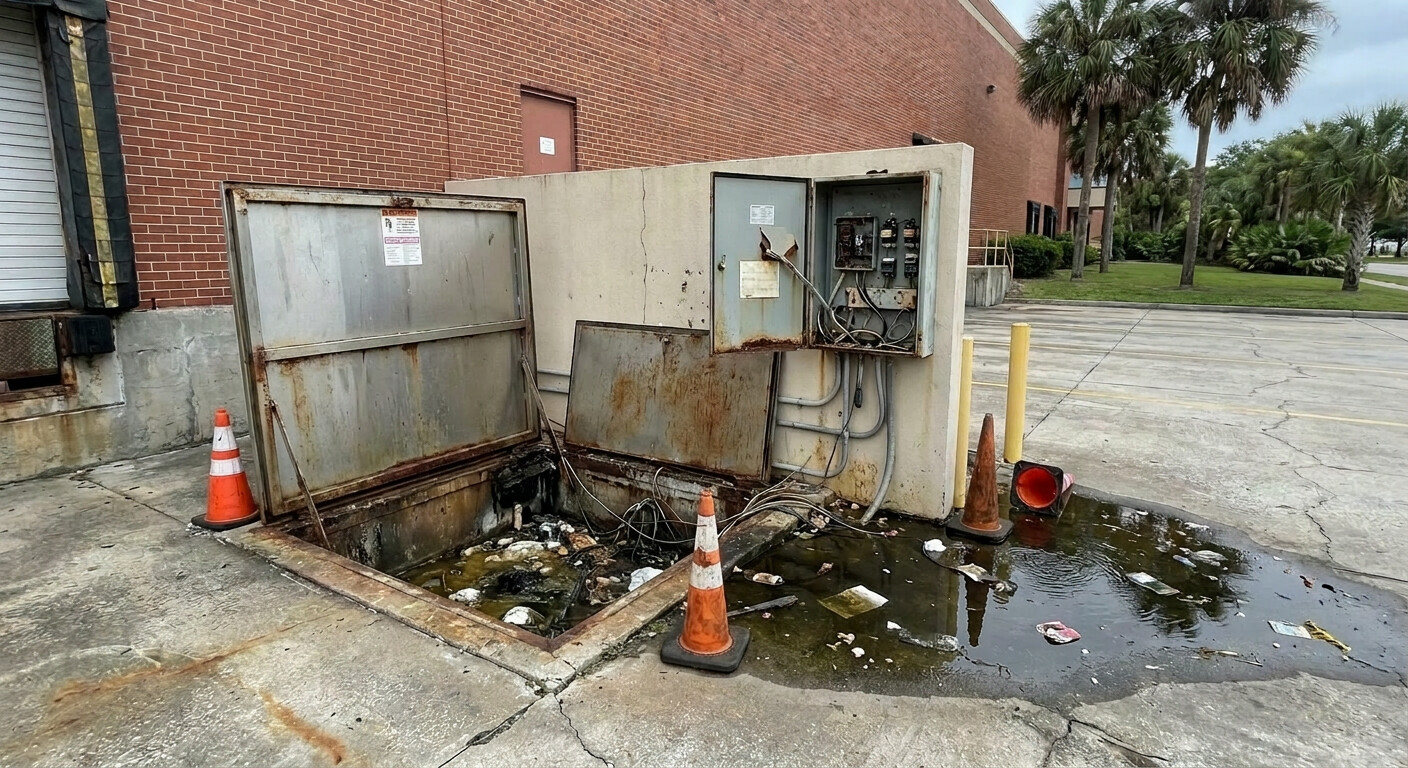
So here's what matters. If you're running a property in Lakeland with a lift station, you need to know what breaks, why it breaks, and how to catch it before tenants start complaining. Every system has weak points. Every failure leaves a trail. And every dollar spent on prevention beats the cost of an emergency callout at two in the morning.
Pumps Burn Out When You Least Expect It
The pump is what keeps everything moving. When it quits, wastewater stops flowing and starts pooling. Age wears them down. Debris jams the impeller. Voltage spikes fry the motor. And once a pump goes, you're looking at backups, odors, and potential contamination across your property.
Catching wear early means fewer surprises. Vibration, unusual noise, or inconsistent cycling are all signs the pump is struggling. Waiting until it stops completely is how small problems turn into full shutdowns. Inspect regularly. Replace worn seals. And don't assume a pump will last forever just because it's still running.
Clogs Don't Announce Themselves Until It's Too Late
Wipes, grease, sanitary products, and random debris — all of it ends up in the wet well eventually. And when enough accumulates, the pump can't do its job. Flow slows. Pressure builds. Then the system either overflows or trips an alarm, assuming the alarm is working.
Prevention starts upstream. Educate tenants. Install grease traps where needed. Use screens to catch solids before they reach the pump. And schedule routine cleanings to pull out what shouldn't be there in the first place. Clogs are predictable. They're also avoidable if you treat the system like it matters.
Electrical Failures Shut Everything Down
Lift stations run on electricity, and electrical systems fail. Breakers trip. Wiring corrodes. Control panels short out during storms. Lakeland gets its share of lightning and power surges, and lift stations sitting in wet environments are especially vulnerable.
When the power goes, the pump stops. When the control panel fries, nothing works until someone replaces it. Surge protection helps. So does keeping electrical components dry and inspecting connections for corrosion. If your system doesn't have backup power or a reliable alarm tied to the electrical feed, you're flying blind every time the grid hiccups.
Float Switches Fail More Often Than You Think
Float switches tell the pump when to turn on and off based on water level. Stick one in the wrong position, and the pump either runs nonstop or never kicks on at all. Both scenarios are bad. One burns out the motor. The other floods the station.
Grease, debris, and mineral buildup cause most float switch problems. They get stuck. They drift out of alignment. They stop responding. Testing them monthly takes minutes. Replacing a failed switch before it causes a backup takes even less time. Ignore them, and you'll find out the hard way when wastewater starts rising with no pump to move it.
Odors Mean Something Is Wrong
Sewage smells aren't normal, even for a lift station. If you're catching whiffs around the property, it's a sign of stagnant water, a blockage, or inadequate venting. Tenants notice. Customers notice. And once the smell sets in, it's hard to shake without fixing the root cause.
Odor control starts with airflow and proper system operation. Vent pipes need to stay clear. Pumps need to cycle regularly so wastewater doesn't sit. And if grease or organic matter is building up in the wet well, it needs to be cleaned out. Masking the smell doesn't solve anything. Addressing what's causing it does.
Corrosion Eats Through Metal and Concrete
Lift stations sit in a hostile environment. Moisture, chemicals, and sewage all accelerate corrosion. Metal components rust. Concrete cracks. Pipes weaken. And once corrosion takes hold, leaks and structural failures follow.
Inspection catches corrosion before it becomes catastrophic. Look for rust on pumps and railings. Check for cracks in the wet well. Replace corroded fasteners and fittings before they snap. Using corrosion-resistant materials during repairs or upgrades extends the life of the system and reduces the frequency of breakdowns.
Alarms That Don't Work Are Worse Than No Alarms
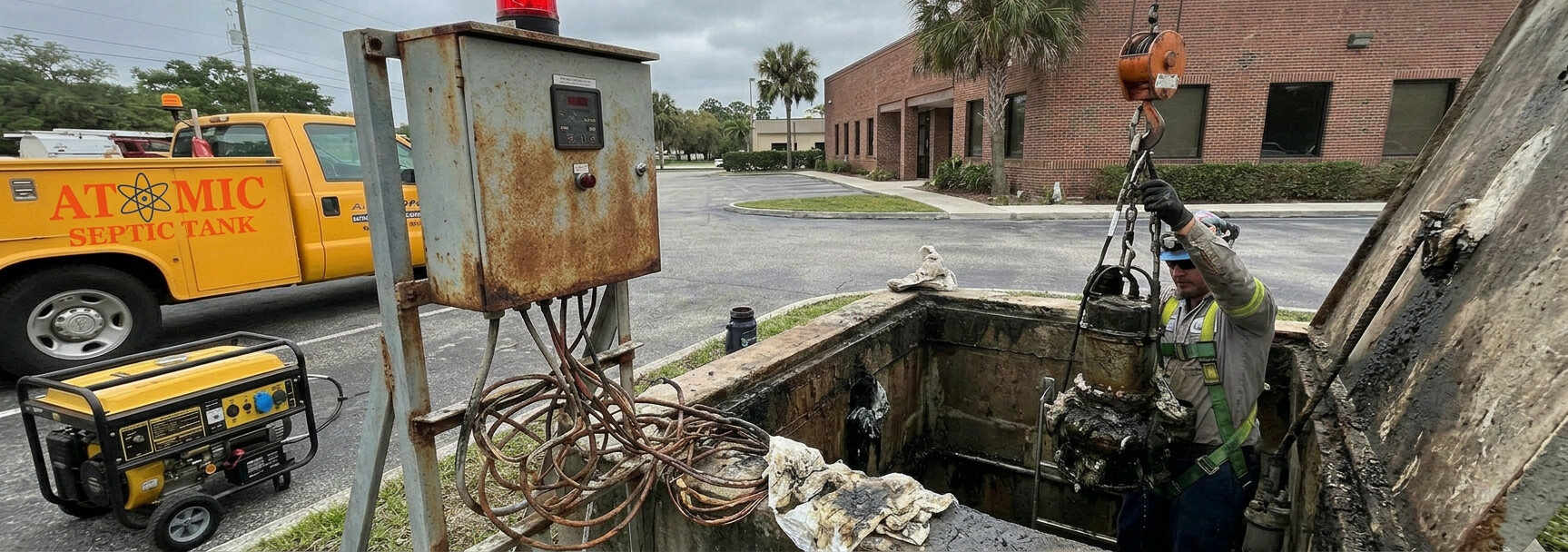
Most lift stations have alarms to alert you when water levels get too high or equipment malfunctions. But alarms fail. Sensors corrode. Batteries die. Wiring gets chewed by rodents. And if the alarm doesn't sound when it should, you won't know there's a problem until sewage is spilling over.
Test your alarms monthly. Replace batteries on schedule. Make sure the notification system actually reaches someone who can respond. An alarm that goes off in an empty building at midnight is useless unless it's tied to a monitoring service or a manager's phone. Don't assume it works. Prove it does.
Skipping Maintenance Is How Small Problems Become Big Ones
Every lift station problem on this list is preventable with regular septic tank maintenance. Pumps last longer when they're serviced. Clogs get cleared before they cause backups. Electrical issues get caught during inspections. Float switches get tested and cleaned. Alarms get verified.
But maintenance only works if it happens. Waiting until something breaks is expensive. Waiting until something overflows is a disaster. Set a schedule. Hire a qualified technician through commercial lift station repair servicing. Keep records of what was done and when. And treat your lift station like the critical infrastructure it is, not an afterthought buried behind the building.
What Breaks Down When You're Not Watching
Lift stations don't fail all at once. They give warnings. Pumps cycle more often. Alarms beep intermittently. Odors creep in. And if you're not paying attention, those warnings turn into emergencies. Commercial properties in Lakeland can't afford downtime or contamination events. Tenants expect working plumbing. Health codes demand it. And your bottom line depends on keeping the system running.
The difference between a minor repair and a major disaster is usually just a matter of timing. Catch problems early with residential and commercial septic tank services, and you're looking at a service call and a parts order. Miss them, and you're dealing with backups, cleanup crews, and angry tenants. At that point, the cost isn't just financial. It's reputational. And in commercial real estate, reputation is everything. For properties requiring septic tank pumping or commercial drainfield repair installation, addressing issues promptly prevents costly emergencies. Contact our team through our contact page to schedule an inspection before small issues become major problems.
Let’s Keep Your Lift Station Running Smoothly
Staying ahead of lift station problems means fewer headaches and happier tenants. We know how important it is to keep your Lakeland property safe, clean, and fully operational. If you’re ready to take the stress out of maintenance and avoid costly surprises, let’s work together. Call us at 863-393-3127 or get a quote today and see how we can help keep your system in top shape.
‹ Back
Recent Posts
-
Should You Repair or Replace Your Lakeland Drain Field?
October 9, 2026
-
When Should You Schedule Septic Tank Pumping in Lakeland?
September 25, 2026
-

Can Heavy Rain Overflow Your Septic Tank in Lakeland?
September 11, 2026
-

Is Your Septic System in Lakeland Ready for Property Expansion?
August 28, 2026
-
Does Your Business in Lakeland Need a Lift Station Inspection?
August 14, 2026