
Does Your Business in Lakeland Need a Lift Station Inspection?
Most business owners in Lakeland think about plumbing when there's a clog. They worry about drainage when water backs up. But the lift station? That's out of sight, buried somewhere on the property line, doing its job until it doesn't. And when it stops working, the mess isn't small. We're talking sewage backups, health code violations, and downtime that costs real money. The lift station moves wastewater uphill when gravity won't cut it — and in flat terrain like Lakeland, that system is running nonstop.
So if you haven't had yours inspected lately, you're gambling. Not with revenue projections or marketing campaigns. With the literal foundation of your building's sanitation. And the IRS isn't the only agency that shows up when things go wrong — the county health department has opinions too.
What a Lift Station Actually Does
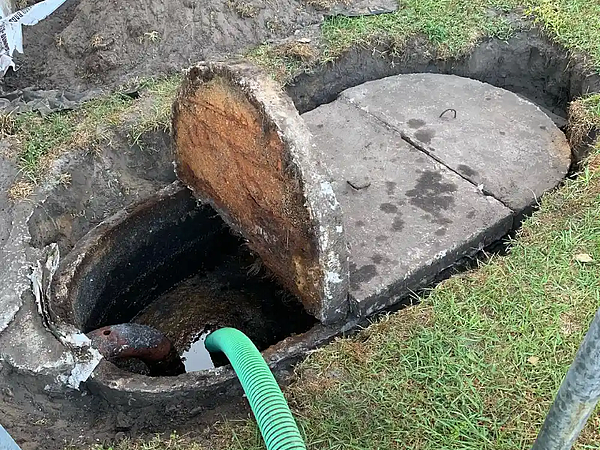
Lift stations exist because not every building sits above the sewer main. In areas where elevation doesn't cooperate, wastewater needs a push. That's what the pump does — it collects sewage in a holding tank, then forces it uphill through pressurized pipes until it reaches the municipal line or septic system. The equipment includes motors, floats, control panels, and backup alarms. When any piece fails, the whole system stalls.
In Lakeland, where summer storms dump inches of rain in an hour and the water table runs high, lift stations work harder than in most cities. They're not just moving waste — they're fighting groundwater intrusion, debris buildup, and constant humidity that corrodes electrical components. That's why inspection isn't optional. It's infrastructure defense.
Red Flags That Say Inspection Time
You don't need to be a plumber to know something's wrong. The system gives you clues — sometimes loud ones. If you're smelling sewage near the property, hearing alarms go off at odd hours, or watching drains slow to a crawl, your lift station is waving a red flag. Ignoring it doesn't make the problem disappear. It makes the repair bill bigger.
Here's what demands attention:
- Sewage odor lingering around the building or parking lot, especially near the lift station location
- Alarm panels lighting up or sounding off more than once in a blue moon
- Toilets and sinks draining slower than usual, or worse, backing up entirely
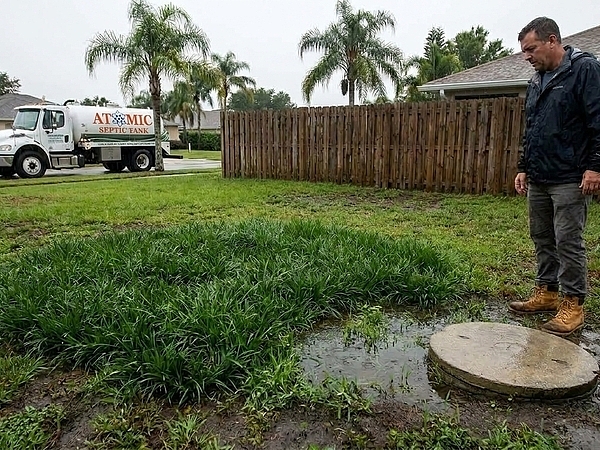
- Puddles or wet spots forming near the lift station tank or piping
- Electricity bills creeping up without explanation, often because pumps are running overtime
What You Gain From Routine Checkups
Inspections aren't glamorous. They don't boost your brand or impress clients. But they do something better — they stop disasters before they start. A trained technician catches worn bearings, clogged floats, and failing control boards while they're still fixable. That's the difference between a $300 service call and a $15,000 emergency replacement during peak business hours.
Compliance matters too. Lakeland has codes. The county has regulations. The state has standards. Miss an inspection cycle, let a problem fester, and you're not just dealing with a repair — you're dealing with fines, permits, and inspectors who want documentation you don't have. Regular checkups keep you on the right side of all that.
- Catch small issues before they turn into catastrophic failures that shut down operations
- Stay compliant with local wastewater regulations and avoid penalty fees
- Protect employees, customers, and neighbors from health hazards tied to sewage exposure
- Extend the working life of pumps, motors, and control systems with preventive care
- Avoid unexpected closures or service interruptions that kill revenue and reputation
Inside a Professional Inspection
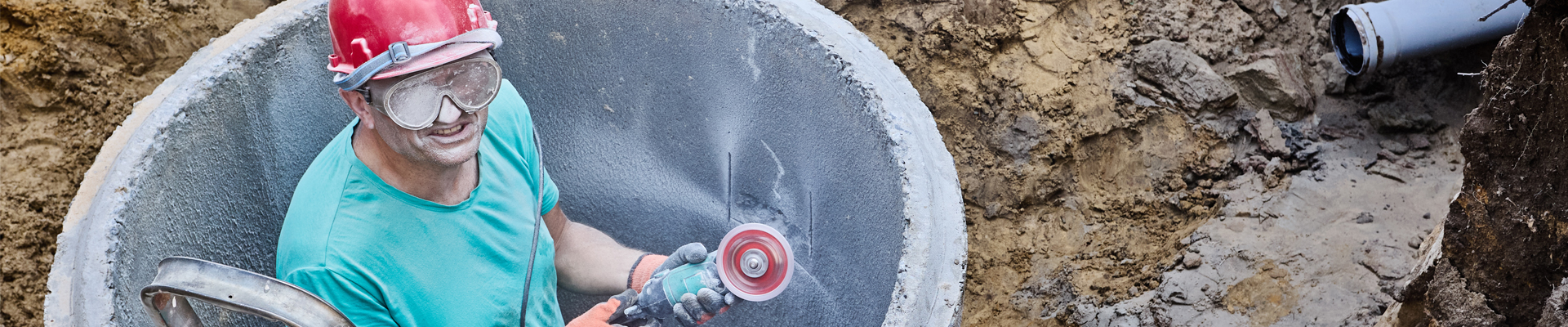
When a technician shows up, they're not just kicking tires. They're running diagnostics, pulling data, and testing every moving part. Pumps get checked for wear and proper cycle times. Control panels get tested for accurate float readings and alarm function. The wet well gets inspected for debris, grease buildup, or structural damage. Valves and pipes get examined for leaks, corrosion, or blockages that slow flow.
After the walkthrough, you get a report. Not vague observations — actual findings. What's working, what's wearing out, what needs replacement, and what can wait. That report becomes your maintenance roadmap. It tells you where to spend money now and what to budget for later.
- Pump motor performance and electrical draw measurements
- Float switch accuracy and backup alarm system functionality
- Wet well condition including debris levels and structural integrity
- Valve operation and pipe integrity checks for leaks or corrosion
- Review of maintenance history and system performance trends over time
How Often the Pros Need to Show Up
There's no universal answer. A small office building with light wastewater output can get by with annual inspections. A restaurant pushing heavy grease loads and high volume? That system needs eyes on it twice a year, minimum. Older equipment, high-traffic properties, and facilities in flood-prone zones should lean toward quarterly checks.
Local regulations sometimes set the floor. Lakeland's building codes and county health standards may require documented inspections at set intervals. Miss those, and you're out of compliance whether the pump works or not. Better to schedule ahead than scramble when an inspector asks for records you don't have.
Picking the Right Inspection Partner
Not every plumber knows lift stations. Not every service company has the equipment to test control panels or diagnose pump failures. You need a team that specializes in commercial septic tank services, holds the right licenses, and has a track record in Lakeland. Ask about their inspection process. Find out how fast they respond to emergencies. See if they offer septic tank service maintenance contracts that bundle inspections with routine service.
Check references. Look at reviews. Make sure they're insured and bonded. A good inspection partner doesn't just hand you a checklist — they explain what they found, why it matters, and what happens if you wait. That clarity is worth paying for.
- Verify licensing and insurance coverage specific to wastewater system work
- Confirm experience with commercial lift stations, not just residential septic
- Ask about emergency response times and after-hours availability
- Review service contracts that include scheduled inspections and preventive maintenance
- Request references from other businesses in Lakeland who use their services
Waiting Just Makes It Worse
Lift stations don't fix themselves. Pumps don't heal. Corrosion doesn't reverse. Every month you push off an inspection is another month closer to failure — and failure happens on its own schedule, not yours. It shows up during a health inspection, a busy Saturday, or the week you're trying to close a big deal. Then you're not just paying for repairs. You're paying for downtime, cleanup, lost business, and the reputation hit that comes with "closed due to plumbing emergency."
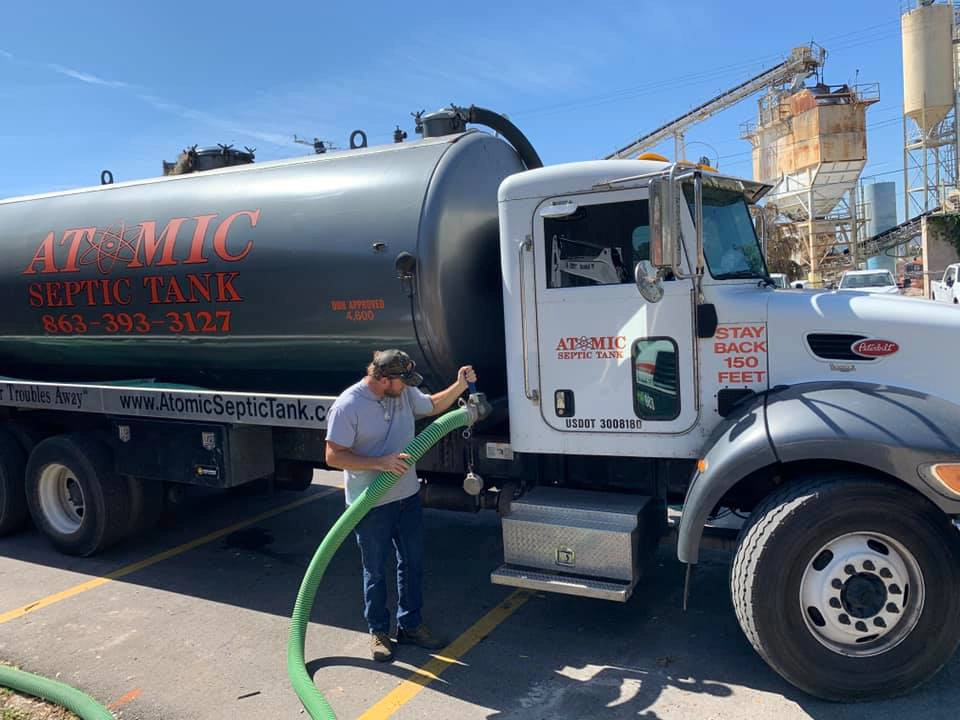
We've seen it play out too many times. The business that skipped inspections because everything seemed fine — until it wasn't. The owner who treated the lift station like an afterthought until it became the only thing they could think about. Don't be that owner. Schedule the inspection with a trusted provider of commercial lift station repair servicing. Get the report from experienced professionals at Atomic Septic Tank. Fix what needs fixing with reliable septic tank pumping and inspection services. It's not exciting, but it's what keeps the lights on and the doors open. Get a quote today to protect your business from costly failures.
Let’s Safeguard Your Business Together
Staying ahead of lift station issues means fewer headaches and more peace of mind for everyone who relies on your business. Let’s work together to keep your plumbing running smoothly and your operations uninterrupted. If you’re ready for a thorough inspection or just want expert advice, give us a call at 863-393-3127. When you’re set to take the next step, get a quote and let’s make sure your Lakeland property is protected for the long haul.
‹ Back
Recent Posts
-
When Should You Schedule Septic Tank Pumping in Lakeland?
September 25, 2026
-

Can Heavy Rain Overflow Your Septic Tank in Lakeland?
September 11, 2026
-

Is Your Septic System in Lakeland Ready for Property Expansion?
August 28, 2026
-
Does Your Business in Lakeland Need a Lift Station Inspection?
August 14, 2026
-