
What Causes Drain Field Failure in Lakeland Homes
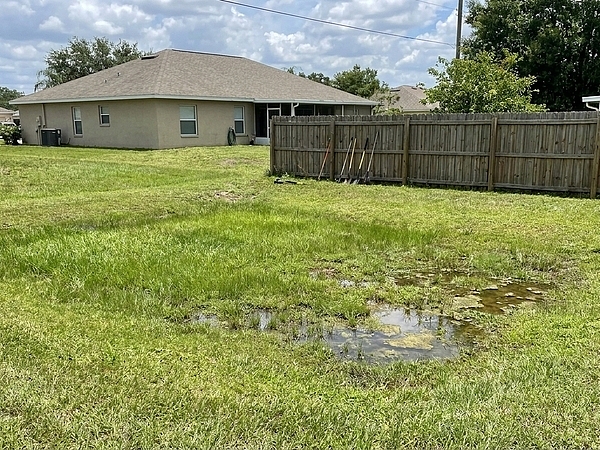
Drain field failure isn’t a surprise. Soggy grass, slow drains, and that bad smell outside mean something’s wrong. The ground gets mushy, toilets start making noise, and showers don’t drain. Suddenly, the backyard is a mess. In Central Florida, these problems have clear causes. They don’t fix themselves.
Spotting Trouble Early
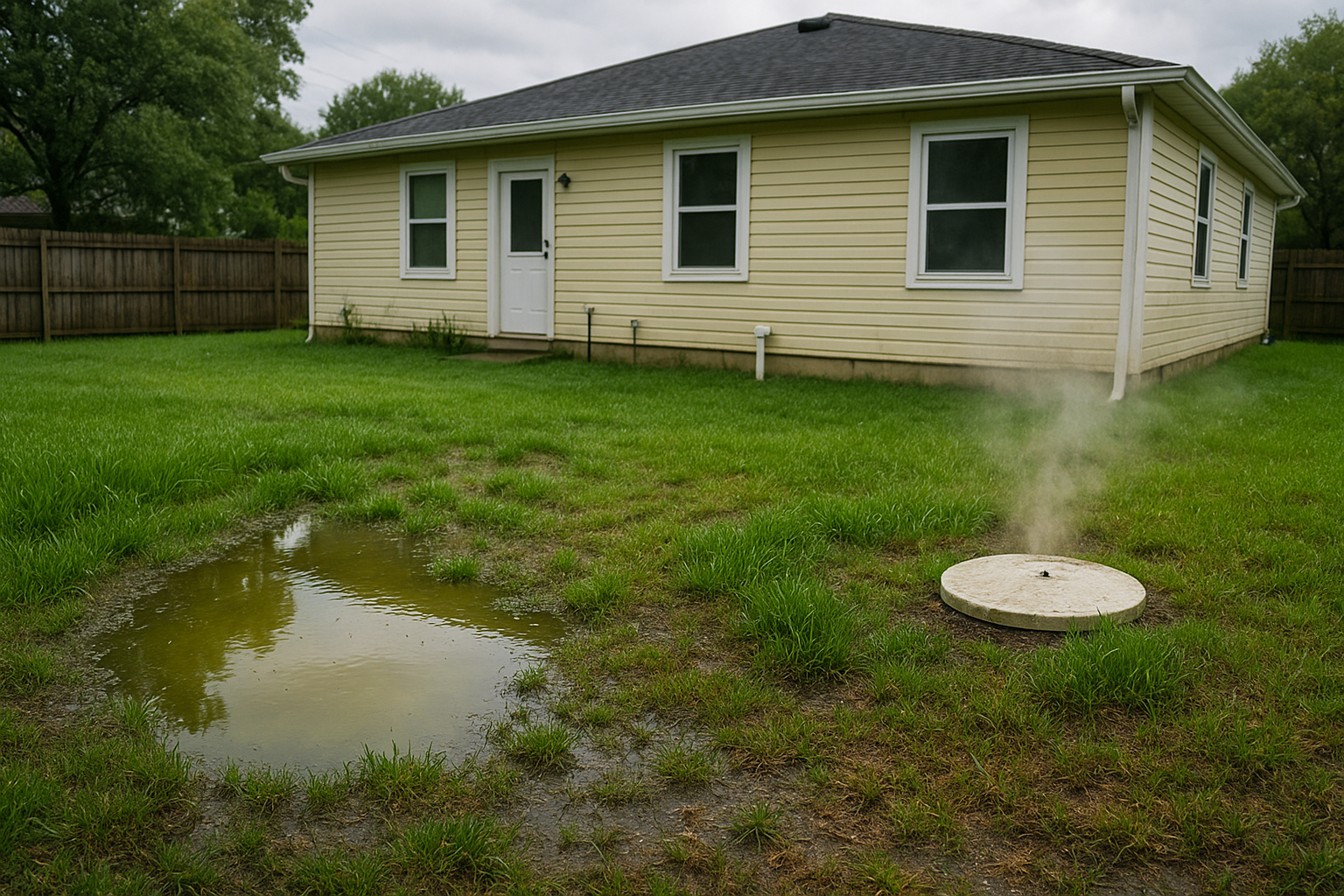
Drain field problems rarely stay hidden for long. The symptoms show up in daily routines:
- Standing water in your yard when it's dry outside
- Drains and toilets that barely move
- Sewage smell near your tank or drainfield
- Extra-green grass strips over your drain lines
- Weird sounds from pipes when water runs
- Multiple drains backing up at once
These aren’t just annoyances. They’re the first signs that the system is struggling. Regular septic maintenance keeps these issues from turning into disasters. Homeowners who wait for a total backup end up paying more and dealing with bigger headaches.
What Wears Out a Drain Field
Water overload hits Lakeland systems hard. Too many showers, loads of laundry, or running the dishwasher back-to-back sends more water into the tank than the soil can handle. The field gets saturated. Wastewater sits on the surface. The ground can’t keep up. This isn’t just a problem for big families. Anyone who ignores the system’s limits risks a breakdown.
Trees hunt for water wherever they find it. Every root system - from massive oaks to tiny bushes - seeks out your drain lines. They force their way through the smallest openings, grow bigger inside, and trap everything that flows past. Soon your pipes are packed solid with roots and waste.
Kitchen habits wreck septic systems. Cooking grease turns solid in pipes. Chemical cleaners kill helpful bacteria. "Flushable" wipes don't break down. These problems pile up in your drainfield until water can't pass through. You'll notice the signs: wet spots, bad odors, and a system that needs expert repair.
Time takes its toll on septic systems. Pipes break down, joints come loose, and soil shifts - especially after storms or nearby building work. When the system loses its structure, waste has only one way to go: back toward your house.
Everyday Habits That Cause Damage
Most drain field failures start with daily routines. It’s easy to forget what goes down the drain, but every choice matters:
- Running multiple water-heavy appliances at once floods the system.
- Skipping regular septic pumping lets solids build up and overflow into the field.
- Flushing wipes, feminine products, or paper towels blocks pipes and clogs the soil.
- Pouring grease or oil down the sink coats pipes and stops water from moving.
- Using strong chemicals kills the bacteria that break down waste, leaving solids behind.
What you put on top of your drainfield matters just as much as what goes into it. Tree roots hunt for water and crush pipes on their way in. Heavy equipment and parked cars squeeze the soil tight, blocking the water flow your system needs to work. Keep the area clear and your system will keep working.
Maintenance That Makes a Difference
Good maintenance doubles your drainfield's life. Our experts spot early problems that could wreck your system. Regular tank pumping keeps waste where it belongs. Smart water use - spreading out laundry loads and running full dishwashers - prevents field overload.
A clean septic filter and working grease trap stop most backups. Skip the harsh cleaners - they kill helpful bacteria your system needs. For busy households or aging systems, we install extra filters that protect your field and keep everything flowing smooth.
What Happens When a Drain Field Fails
Septic failure hits hard and fast. Raw sewage turns your yard into a health hazard. Water backs up through every drain in your house. The stench stays even after cleanup, your home's value tanks, and neighbors start filing complaints. Most insurance policies won't touch it. Repairs run into five figures, and sometimes you need a complete system overhaul.
Time makes everything worse. Each day you wait multiplies the damage and repair costs. Your system won't fix itself. Smart homeowners call us at the first sign of trouble - before their property turns into a costly mess.
Drain Field Solutions That Work
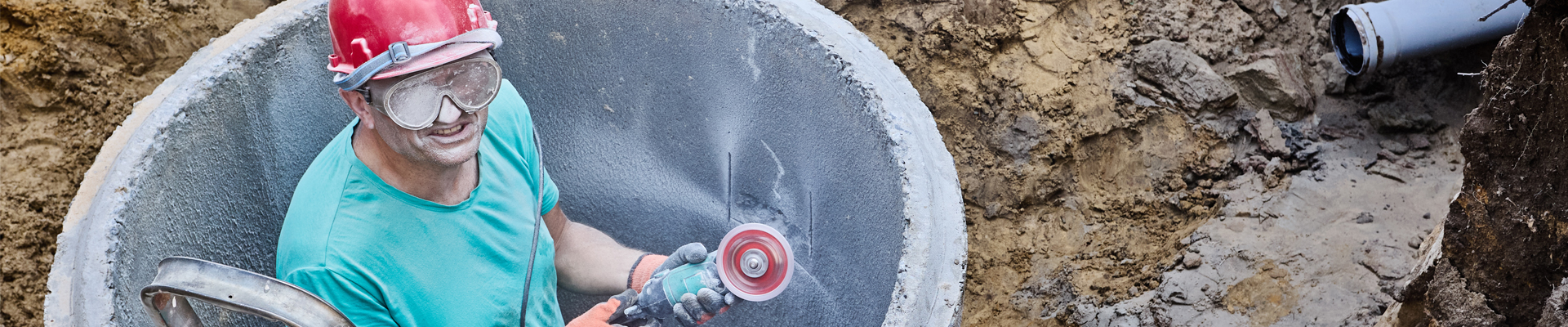
Drainfield repairs demand real expertise. We locate the exact problem, fix broken pipes, and restore proper drainage. Bad soil gets replaced, drainage patterns get fixed, and sometimes we build a whole new field. Our crew brings the tools and know-how to do it right. DIY attempts usually cost extra when homeowners give up and call us to fix their fixes.
Ready for Real Help?
Atomic Septic Tank Services delivers professional drain field repairs and replacements across Lakeland. Call us at 863-393-3127 or contact us online to schedule an inspection and protect your septic system's health.
‹ Back
Recent Posts
-

Can Heavy Rain Overflow Your Septic Tank in Lakeland?
September 11, 2026
-

Is Your Septic System in Lakeland Ready for Property Expansion?
August 28, 2026
-
Does Your Business in Lakeland Need a Lift Station Inspection?
August 14, 2026
-
-