
Do You Need a Lift Station in Lakeland for Your Septic System?
Gravity doesn’t always cooperate. Some properties in Lakeland sit too low or have ground that just won’t drain. Wastewater gets stuck. That’s when a lift station comes in. It pumps everything uphill, keeps the system moving, and stops backups before they start.
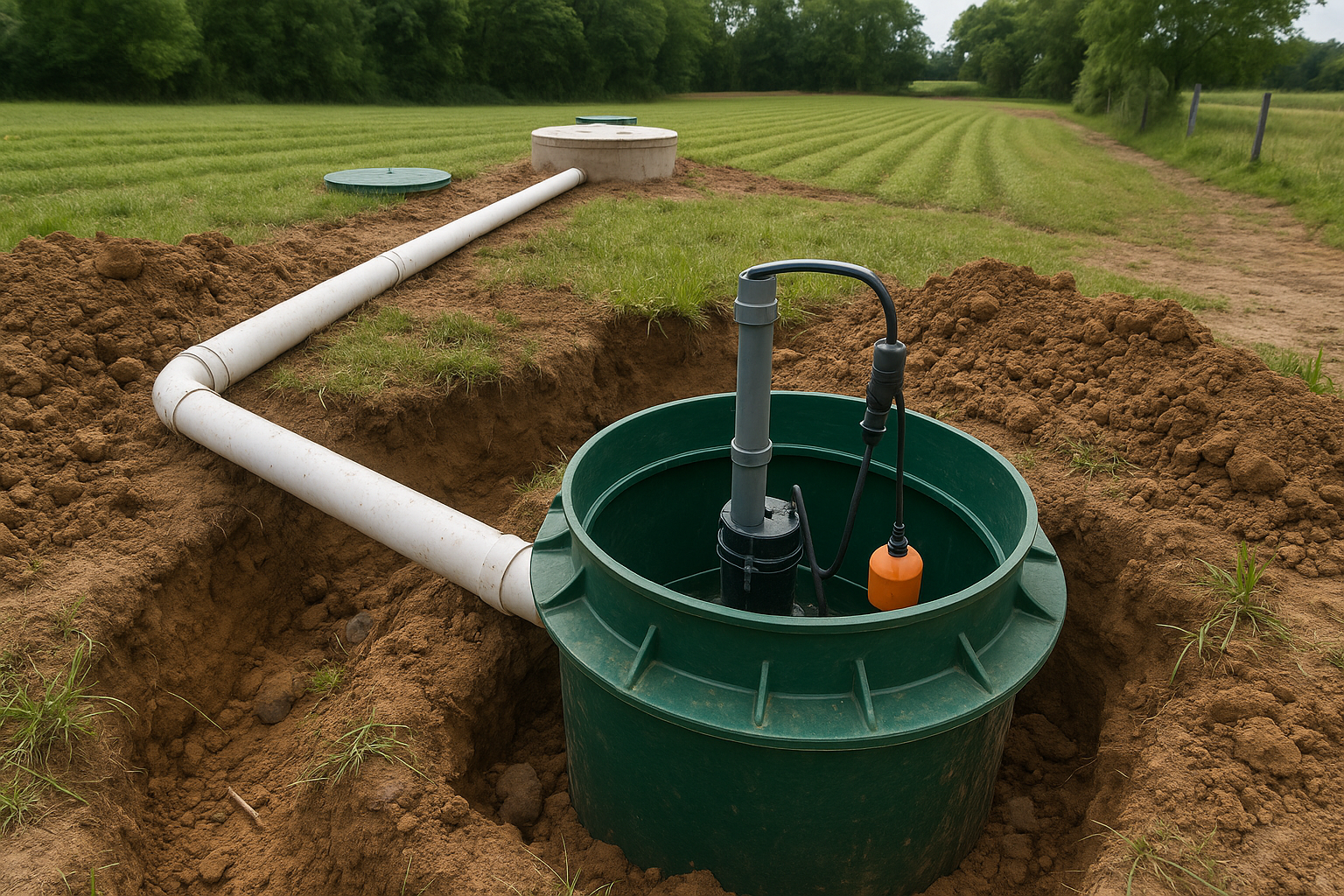
Here’s what triggers the need for a lift station:
- Drain field sits higher than the septic tank
- Basement bathrooms or laundry rooms need waste pumped up to the main line
- Long distances between tank and drain field slow down flow
- Soil that won’t drain without help
- Local codes that require mechanical pumping
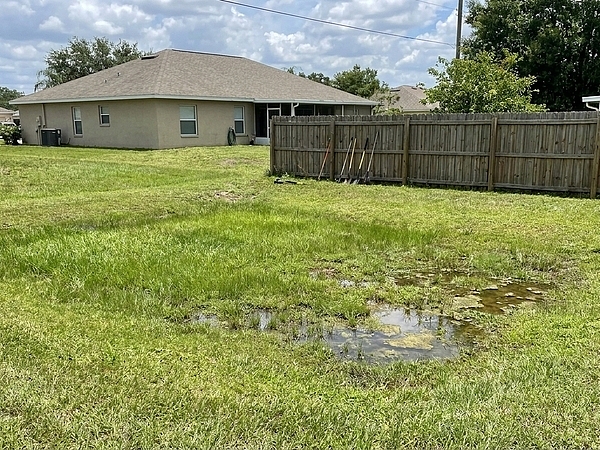
These aren’t rare situations in Lakeland. Most property owners only realize the need for a lift station after a septic maintenance inspection uncovers slow drainage or standing water. The solution isn’t optional. When gravity can’t do the job, a lift station becomes the only way to keep wastewater moving and protect your property from costly damage.
Commercial Properties Demand More Muscle
Restaurants, shopping centers, and office buildings in Lakeland push a lot of wastewater through their systems. A single household can’t compare. Commercial lift stations need bigger pumps, stronger tanks, and backup systems that don’t blink when the power flickers. One weak link, and the whole operation stalls. Overflow in a restaurant kitchen or a retail bathroom isn’t just inconvenient—it’s a shutdown waiting to happen.
Our experience with commercial septic installations proves that size and reliability matter. Undersized pumps burn out. Cheap alarms fail. When the system can’t keep up, wastewater backs up into drains, floors, and parking lots. That’s why commercial setups always get industrial-grade equipment and redundant controls. No shortcuts. No uncertainty.
- High-capacity pumps handle peak flows
- Backup power keeps everything running during storms
- Alarm systems alert staff before problems escalate
- Routine checks catch wear and tear before it leads to failure
Commercial lift stations aren’t just bigger—they’re built to take a beating and keep going. Anything less puts the entire business at risk.
Residential Lift Stations Need Precision
Homeowners face a different set of challenges. Most residential lift stations use a single pump and a smaller tank, but that doesn’t mean they can be ignored. One missed maintenance visit, and the system clogs. A faulty float switch, and wastewater stops moving. The result? Toilets that won’t flush, drains that gurgle, and a yard that smells like trouble.
Every residential system needs:
- Reliable pumps sized for the home’s daily use
- Float switches that trigger at the right water levels
- Alarm systems that warn before a backup hits
- Quarterly inspections to catch problems early
Cutting corners on equipment or maintenance always leads to headaches. A well-built residential lift station runs quietly in the background, but it only stays that way with regular attention and the right parts.
Power and Equipment Make or Break the System
Lift stations don’t run on hope. They need steady power and equipment that won’t quit. In Lakeland, summer storms knock out electricity without warning. A lift station without backup power leaves wastewater stranded. That’s why every system, commercial or residential, needs a generator or battery backup. No exceptions.
Modern lift stations rely on:
- Heavy-duty pumps built for continuous use
- Float switches that don’t stick or fail
- Alarm panels that alert you before disaster strikes
- Backup power to keep pumps running during outages
Choosing the right lift station equipment isn’t about bells and whistles. It’s about reliability. Cheap parts break. Weak alarms stay silent. When the power goes out, only a real backup keeps the system moving. Anything less, and you’re gambling with your property.
Maintenance Isn’t Optional
Lift stations don’t forgive neglect. Pumps clog. Filters fill with debris. Alarms fail. When maintenance slips, the system stops. That’s when wastewater backs up into the house or business. The cleanup isn’t quick, or cheap.
Every lift station needs a strict maintenance routine:
- Quarterly inspections by a professional
- Pump checks for wear and tear
- Filter cleaning to keep flow steady
- Alarm system tests to ensure early warnings
- Backup power checks before storm season
Professional septic pumping services catch small issues before they turn into emergencies. Skipping maintenance always costs more in the end. Our team knows a working lift station keeps wastewater moving and headaches away.
Lift Station Solutions That Work
Lift stations aren’t a luxury in Lakeland. They’re a necessity for many properties. When gravity can’t do the job, pumps and alarms step in. The right equipment, regular maintenance, and backup power keep everything running. Problems start when any piece gets ignored or replaced with a cheap substitute. That’s when backups, overflows, and expensive repairs hit hard.
We’ve seen every kind of lift station problem, from burned-out pumps to silent alarms. The fix always comes down to the same things: quality parts, professional installation, and a maintenance schedule that doesn’t slip. Anything less, and the system fails when you need it most.
Expert Lift Station Solutions in Lakeland
Atomic Septic Tank Services delivers professional lift station installations and repairs throughout Lakeland. Call us at 863-393-3127 or contact us to schedule your lift station service today.
‹ Back
Recent Posts
-

Can Heavy Rain Overflow Your Septic Tank in Lakeland?
September 11, 2026
-

Is Your Septic System in Lakeland Ready for Property Expansion?
August 28, 2026
-
Does Your Business in Lakeland Need a Lift Station Inspection?
August 14, 2026
-
-